

Mercury Cougar 1990-2002 Suspension Ball Joint Replacement Guide
Hearing clunks or feeling looseness in your steering? It might be time to replace your Cougar's ball joints.
- First, confirm your Cougar's generation: 1990-1997 is RWD with upper/lower ball joints, while 1999-2002 is FWD with only a lower ball joint.
- Symptoms like clunking noises, steering wander, and uneven tire wear point to failing ball joints.
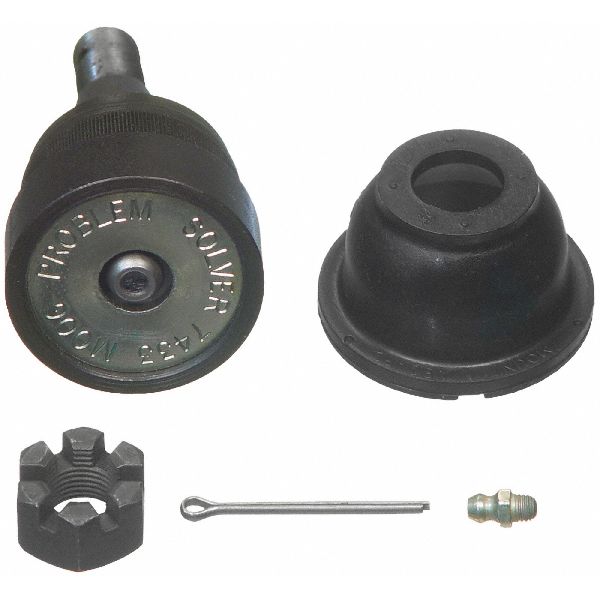
- Premium aftermarket brands like Moog and Mevotech TTX often offer greaseable, heavy-duty designs that can outlast original parts.
- Always replace ball joints in pairs (left and right) and get a wheel alignment immediately after the repair.
Understanding Your Cougar's Suspension: Two Different Worlds
Before buying parts, it's crucial to know which Mercury Cougar you own. The 1990-2002 span covers two completely different cars.
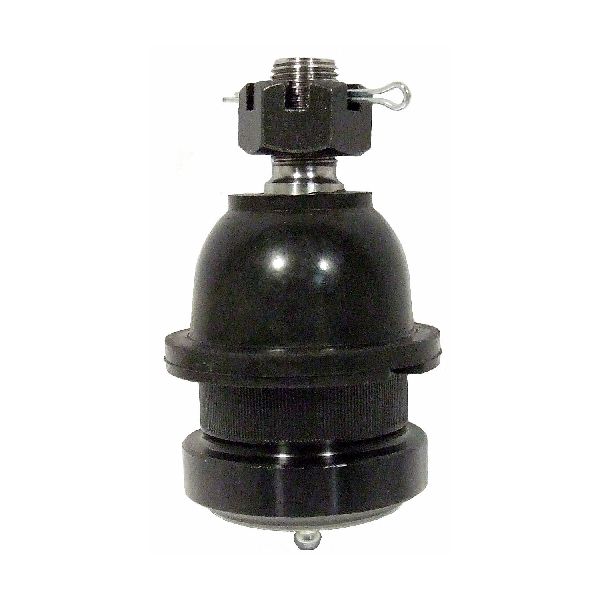
- 1990-1997 (Eighth Generation): These are rear-wheel-drive (RWD) cars built on the MN12 platform, shared with the Ford Thunderbird. They use a short/long-arm (SLA) front suspension with separate upper and lower ball joints. The lower ball joint carries most of the vehicle's weight and is a common wear item.
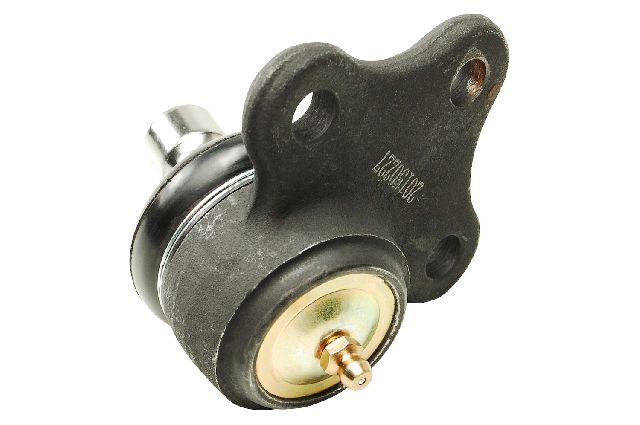
- 1999-2002 (Ninth Generation): These are front-wheel-drive (FWD) sport compacts based on the Ford Contour. They use a MacPherson strut front suspension, which has only one lower ball joint per side.
Ordering the correct part requires knowing which generation you have, as the parts are not interchangeable.
Symptoms of a Bad Ball Joint
Worn ball joints are a safety concern and should be addressed quickly. Common signs of failure include:
- Clunking or Knocking Noises: A distinct clunk, pop, or knock from the front suspension, especially when turning or going over bumps.
- Vague or Wandering Steering: The car may feel loose and require constant small corrections to drive straight.
- Vibrations: A vibration felt in the steering wheel or through the floor, which can change with speed or when turning.
- Uneven Tire Wear: Worn ball joints can throw off the wheel alignment, causing the inside or outside edges of your front tires to wear down prematurely.
Critical Failure is Dangerous
In a worst-case scenario, a ball joint can completely separate. This will cause the suspension to collapse, leading to an immediate loss of steering control. If you suspect your ball joints are bad, get them inspected right away.
Choosing the Right Aftermarket Ball Joint
Aftermarket brands offer a range of quality and features. For a part this critical, choosing a reputable brand is important.
| Brand Tier | Brands | Typical Price Per Joint | Best For |
|---|---|---|---|
| Premium / Heavy-Duty | Moog (Problem Solver), Mevotech (TTX) | $35 - $52 | Owners looking for maximum durability, longevity, and improved-over-OEM designs. Often include grease fittings for maintenance. |
| OE-Quality | Delphi, ACDelco (Professional Series) | $25 - $40 | A direct replacement that meets or exceeds original factory specifications. A solid choice for daily driving. |
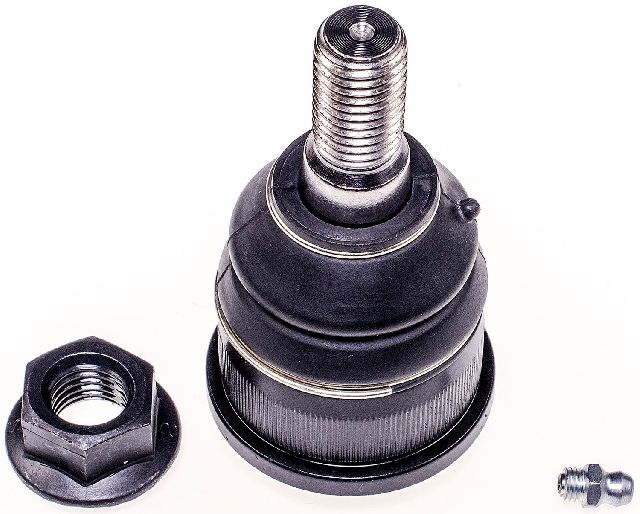
| Standard / Economy | Dorman, QuickSteer, Suspensia, Mevotech (Supreme) | $18 - $30 | Budget-friendly repairs for getting a car back on the road. May not have the same lifespan or features as premium options. |
Greasable vs. Sealed Joints
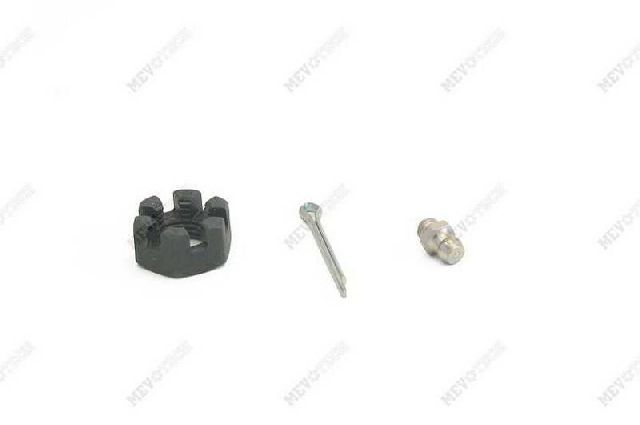
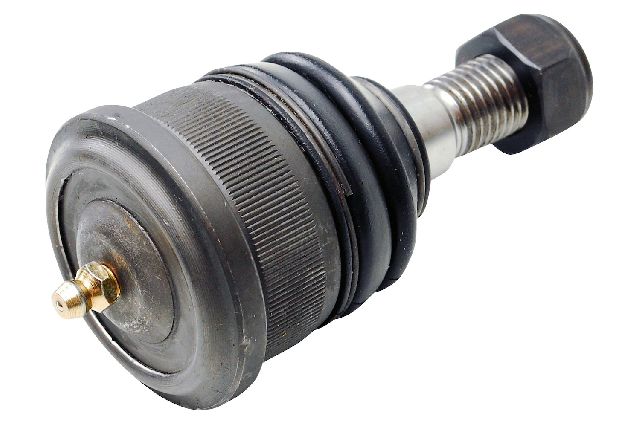
Many premium aftermarket ball joints (like Moog Problem Solvers) feature a grease fitting (zerk). This allows you to add fresh grease periodically, which can flush out contaminants and extend the part's life. Original equipment and some standard replacements are sealed and require no maintenance, but they cannot be re-lubricated.
Known Issues, Recalls, and TSBs
A search of the National Highway Traffic Safety Administration (NHTSA) database and other records did not reveal any widespread recalls or Technical Service Bulletins (TSBs) specifically for suspension ball joint failure on the 1990-2002 Mercury Cougar. However, owner forums for the 1990-1997 models frequently discuss the failure of the original lower ball joints. While there were some aftermarket ball joint recalls for other Ford models, none directly applied to this Cougar generation.
Frequently Asked Questions (FAQ)
Do I need to replace the whole control arm?
For the 1990-1997 models, the ball joints are often serviced by replacing the entire control arm, as it can be easier than pressing out the old joint and pressing in a new one. For the 1999-2002 models, the lower ball joint is typically bolted or pressed into the control arm and can be replaced individually.
Should I replace ball joints in pairs?
Yes. It is highly recommended to replace ball joints in pairs (both left and right sides). If one has failed due to age and mileage, the other is likely not far behind. Replacing them together ensures even suspension performance and handling.
How do I know if I need upper or lower ball joints? (1990-1997 models)
The lower ball joints on the 1990-1997 RWD models are the primary load-bearing joints and tend to wear out first. A mechanic can diagnose this by lifting the vehicle and checking for play. A clunking noise from below is often the lower joint, while upper joint failure might present as a lighter clicking or popping sound higher up.
Will I need a wheel alignment after replacing my ball joints?
Yes, absolutely. Replacing ball joints will affect your vehicle's alignment settings. You must get a professional wheel alignment after the repair to ensure proper handling, safety, and to prevent rapid tire wear.
Technical Specifications
OEM Part Numbers: F5SZ3079B
Suspension design varies by generation. 1990-1997 models use a Short/Long Arm (SLA) front suspension with one upper and one lower ball joint per side. 1999-2002 models use a MacPherson strut front suspension with a single lower ball joint per side.
We Have This Part in Stock

The information in this article is provided for general reference and educational purposes only. Vehicle specifications, procedures, and part compatibility can vary by production date, trim level, and region. Always consult your vehicle's factory service manual and verify part numbers before purchasing or performing repairs. Safety-critical components such as airbags, seat belts, and braking systems should be installed by a qualified professional.
- Mercury Cougar: