

Mazda Protege Automatic Transmission Oil Cooler: A Guide for 1990-2003 Models
Protect your Protege's automatic transmission from its number one enemy: heat.
- A known issue for 1997-2003 Proteges is the oil cooler clogging with debris after a transmission failure; always flush or replace it to protect a new transmission.
- Symptoms of a bad cooler include fluid leaks, a burning smell, poor shifting, and transmission overheating.
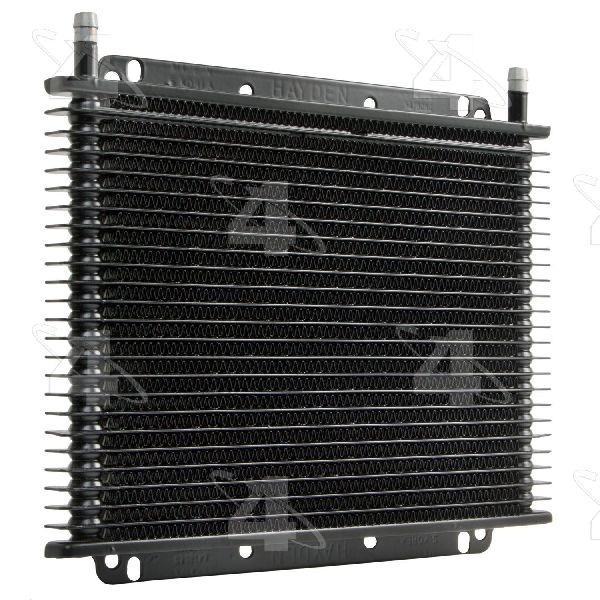
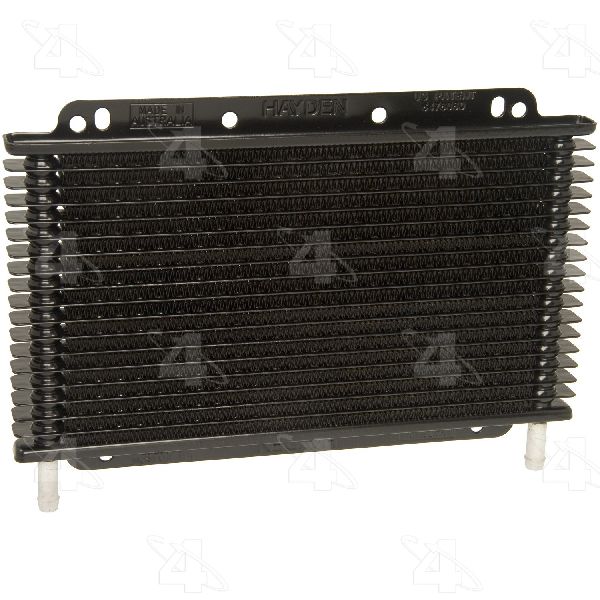
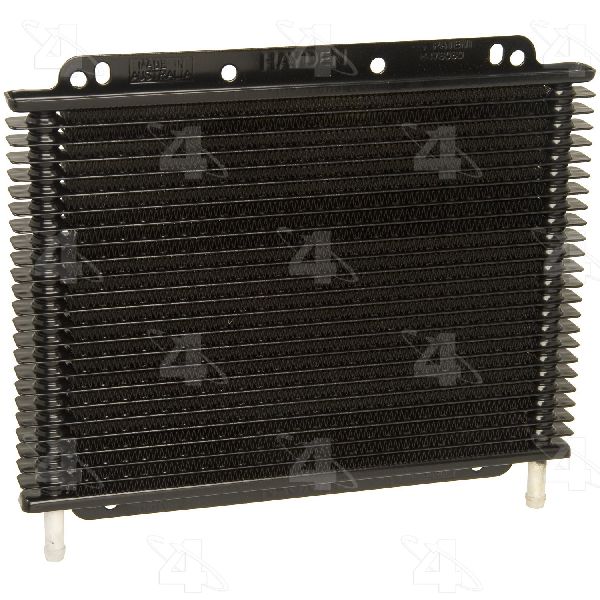
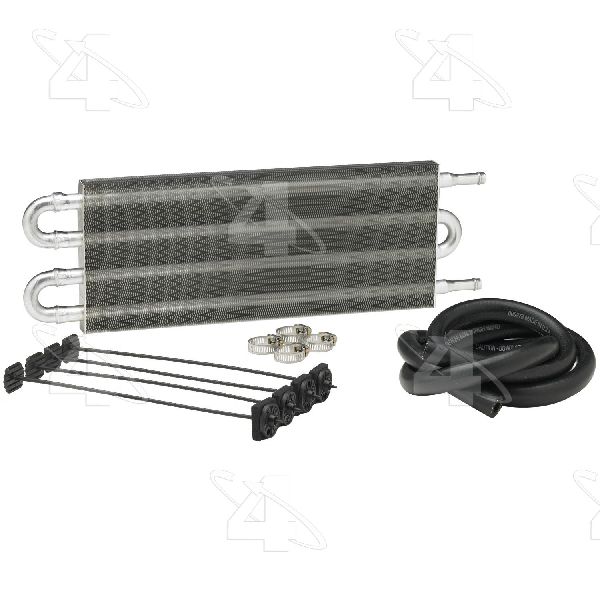
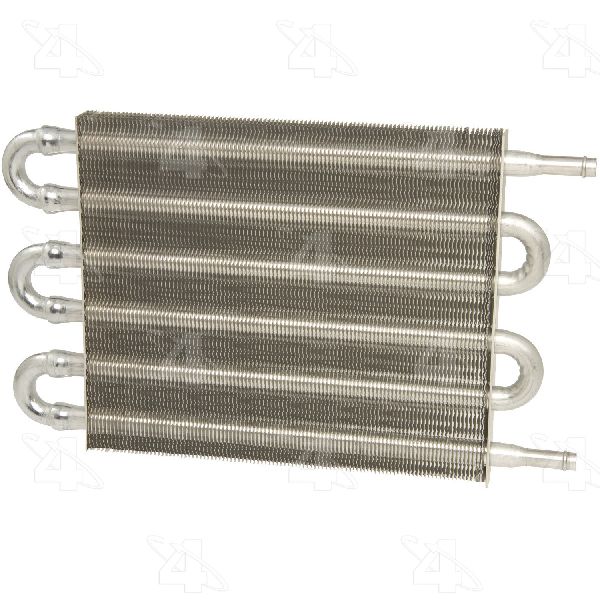
- Adding an aftermarket auxiliary cooler from a brand like Hayden is a popular and effective way to improve cooling and extend transmission life.
- Driving with a leaking or malfunctioning transmission cooler can lead to rapid and expensive transmission failure.
Why Your Protege's Transmission Cooler Matters
Heat is the number one killer of automatic transmissions. For the 1990-2003 Mazda Protege, the automatic transmission oil cooler is the primary defense against costly damage caused by high fluid temperatures. Whether you're in stop-and-go traffic or on a long highway drive, this part works constantly to keep the transmission fluid within its optimal temperature range. When the fluid gets too hot, it breaks down and loses its ability to lubricate properly, leading to worn clutches, sticking valves, and eventually, complete transmission failure.
Symptoms of a Failing Transmission Cooler
A bad transmission cooler can cause serious problems. Watch for these warning signs:
- Transmission Fluid Leaks: You may see puddles of reddish or brown fluid under the front of your car. This can come from the cooler itself or the lines connected to it.
- Overheating Transmission: Your dashboard might have a transmission temperature warning light, or you may notice the car going into a reduced power "limp mode."
- Poor Shifting Performance: When the fluid is too hot or low, you might experience slipping gears, delayed or harsh shifts, and a general feeling of hesitation.
- Contaminated Fluid: In a worst-case scenario, the cooler inside the radiator can fail internally, allowing transmission fluid and engine coolant to mix. This creates a pink, milky fluid that looks like a strawberry milkshake in your coolant overflow tank or on the transmission dipstick, and can quickly destroy both the transmission and engine.
Vehicle-Specific Issue: Internal Clogging
Mazda issued a Technical Service Bulletin (TSB 05-014/06) for 1997-2003 Protege models. It warns that after a transmission fails, metal debris can clog an internal mesh filter inside the original oil cooler. If this contaminated cooler is not properly flushed or replaced, the debris will starve the new or rebuilt transmission of fluid, causing it to fail again very quickly. This makes replacing the cooler or radiator a wise investment whenever the transmission is replaced.
Choosing the Right Aftermarket Cooler
Since the factory cooler is part of the radiator, a failure often means replacing the entire radiator assembly. However, many owners choose to install an additional, standalone aftermarket cooler. This provides extra cooling capacity and can protect the transmission even if the in-radiator cooler becomes less efficient.
When shopping for an aftermarket cooler, you will find two main types:
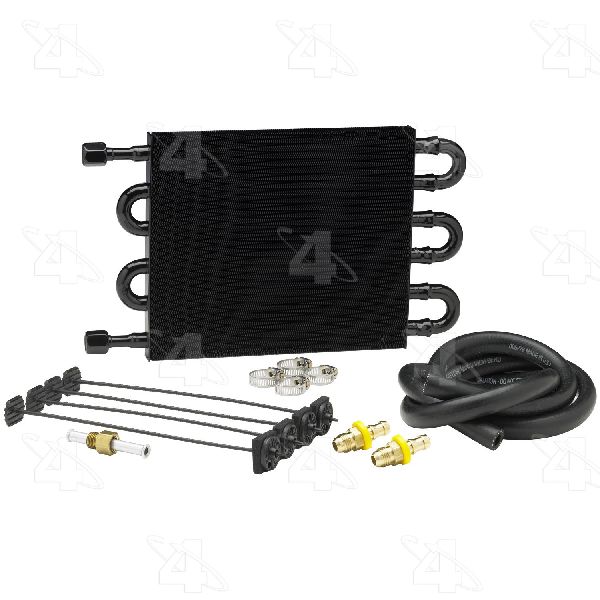
- Tube-and-Fin: A basic design where fluid runs through a tube with fins attached to dissipate heat.
- Stacked Plate: A more efficient and durable design that forces fluid through a series of plates, offering better cooling in a smaller package. Most experts recommend a stacked plate cooler.
Brand Quality Assessment:
- Hayden: This is a very common and generally well-regarded aftermarket brand. Protege owners and mechanics on various forums report using Hayden coolers for years without issues, making them a reliable choice.
- Four Seasons: While a major supplier of aftermarket parts, there is less specific owner feedback available for their transmission coolers on a Mazda Protege.
Pro Tip: Many Protege owners add an aftermarket auxiliary cooler in-line with the factory system. The fluid leaves the transmission, goes through the factory cooler in the radiator, then goes through the new auxiliary cooler, and finally returns to the transmission. This provides maximum cooling and is a great upgrade for any automatic Protege.
Cost of Replacing a Transmission Oil Cooler (1990-2003 Mazda Protege)
| Part Type | Estimated Cost |
|---|---|
| New Aftermarket Auxiliary Cooler | $51.93 - $95.39 |
| New OEM (Part of Radiator) | $200 - $400+ |
| Shop Labor (Auxiliary Install) | $120 - $250 |
Frequently Asked Questions
Can I just flush my old cooler after a transmission failure?
While a professional power flush is possible, Mazda's own TSB warns that it can be difficult to fully remove all debris from a clogged cooler. If the flush is not 100% effective, you risk immediate damage to your new transmission. Replacing the radiator or adding a new auxiliary cooler and bypassing the old one is the safest option.
Is a bigger cooler always better?
Not necessarily. An oversized cooler can prevent the transmission fluid from reaching its optimal operating temperature, especially in colder climates. It's best to choose a cooler rated for a compact or mid-size car, which will provide excellent protection without over-cooling the fluid.
Do I need to add more transmission fluid after installing a new cooler?
Yes. The new cooler and its hoses will add volume to the system. You will need to add a small amount of the correct type of automatic transmission fluid (ATF) to bring the level back to the 'FULL' mark on the dipstick after installation.
Where is the auxiliary cooler installed?
The best location is in front of the engine's radiator and A/C condenser. This spot receives direct airflow while the car is moving, which is ideal for cooling the transmission fluid.
Technical Specifications
The factory cooler is an integrated, liquid-to-liquid heat exchanger located in the end tank of the radiator. Aftermarket coolers are typically external, air-to-liquid units mounted in front of the radiator.
We Have This Part in Stock

The information in this article is provided for general reference and educational purposes only. Vehicle specifications, procedures, and part compatibility can vary by production date, trim level, and region. Always consult your vehicle's factory service manual and verify part numbers before purchasing or performing repairs. Safety-critical components such as airbags, seat belts, and braking systems should be installed by a qualified professional.
- Mazda Protege: