

Mitsubishi Eclipse Steering Tie Rod End Replacement Guide (1990-2012)
Fix steering wander and clunking noises by choosing the right new tie rod ends for your Eclipse.
- Symptoms of a bad tie rod include a loose steering wheel, clunking noises, vibration, and uneven tire wear.
- A complete failure can cause a loss of steering control, so this is a critical safety repair.
- Aftermarket brands like Delphi and Moog offer premium quality, while Mevotech and others provide a good balance of price and performance for daily driving.
- A professional wheel alignment is mandatory after replacing any tie rod end to prevent tire damage and ensure safe handling.
Is Your Eclipse Steering Feeling Loose or Noisy?
If you're noticing your 1990-2012 Mitsubishi Eclipse doesn't handle as sharply as it used to, the problem could be worn steering tie rod ends. These parts are joints that wear out over time from normal use, bumps, and potholes. When they fail, your steering can become sloppy and even dangerous. Catching the symptoms early is key to keeping your car safe and preventing damage to other components, like your tires.
Common Symptoms of a Bad Tie Rod End
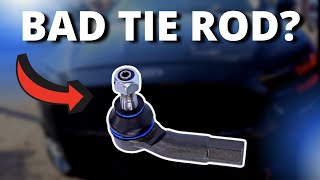
🎬 Watch: See and hear these common tie rod failure symptoms.- Loose Steering & Wander: You might feel a 'dead spot' or excessive play in the steering wheel, requiring constant small corrections to keep the car straight. The car may feel like it's wandering on its own.
- Steering Wheel Vibration: A shaky steering wheel that gets worse as you speed up is a classic sign. This happens because the worn joint allows the wheel to shimmy.
- Clunking or Knocking Noises: Hearing a clunk, pop, or knocking sound from the front end when turning at low speeds or going over bumps often points to a loose tie rod.
- Uneven Tire Wear: Worn tie rods throw off the wheel alignment, causing the inside or outside edges of your front tires to wear down much faster than the rest of the tread.
Safety First: Don't Ignore Bad Tie Rods
A completely failed tie rod end can separate from the steering knuckle, causing a total loss of steering control on that wheel. If you suspect your tie rods are bad, get them inspected and replaced as soon as possible.
Choosing the Right Aftermarket Tie Rod End
For the 1990-2012 Eclipse, there are no specific recalls or widespread issues with the original tie rods; they simply wear out. Aftermarket parts offer a wide range of quality and price, from basic replacements to heavy-duty upgrades.
Brand Quality Tiers
Not all brands are created equal. Here’s how the available brands generally stack up based on owner experiences and industry reputation.
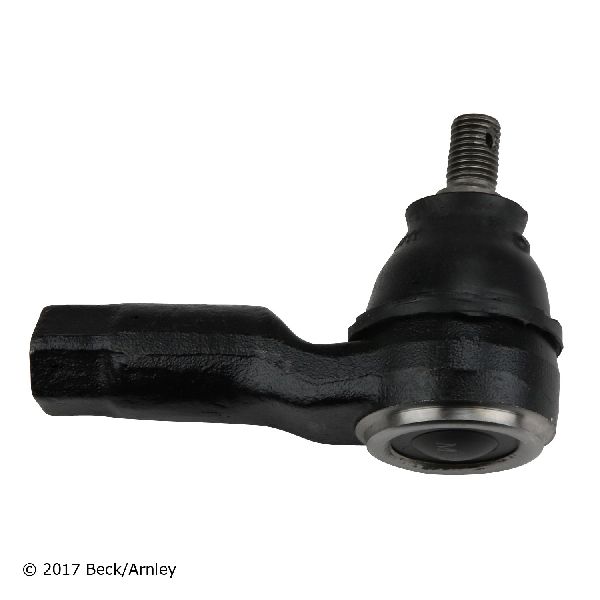
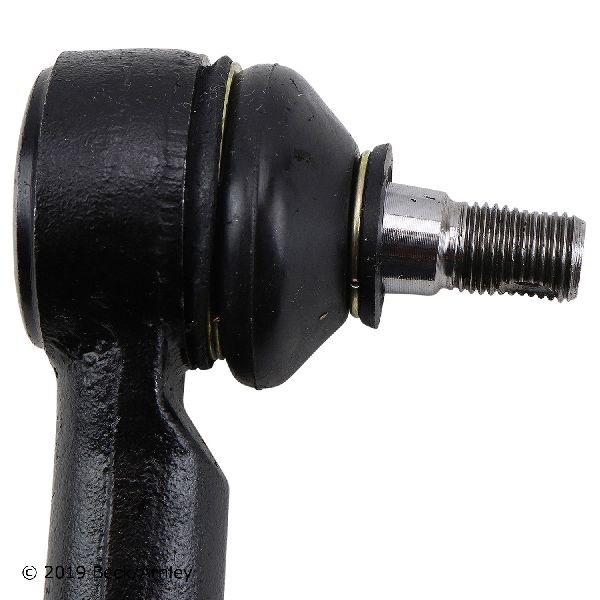
- Premium (OEM Quality or Better): These brands are known for excellent materials and engineering, often meeting or exceeding original specs. They are a top choice for enthusiasts or anyone wanting maximum longevity. Brands like Moog (known for their 'Problem Solver' line), Delphi (a major OEM supplier), and Beck Arnley (who often re-box parts from original Japanese suppliers like Sankei 555) fall into this category.
- Standard (Good Quality for Daily Driving): These brands offer a great balance of price and performance for a daily driven car. They are reliable replacements that provide good service life. Mevotech and QuickSteer are solid choices here. Some owners have had good experiences with Mevotech, though others note they may not be as robust as premium brands.
- Economy (Budget-Friendly): These brands meet the basic requirements to get your car back on the road at the lowest cost. They are a functional choice if budget is the primary concern. Brands like Dorman, MAS Industries, and Suspensia fit this tier.
Pro Tip: Many owners of Japanese vehicles like the Eclipse seek out parts made by Sankei 555, a respected Japanese OEM supplier. Sometimes these parts can be found inside a Beck Arnley box. Also, consider replacing tie rods in pairs (both outers or both inners) for even steering feel and to save on alignment costs down the road.
Cost of Replacing Mitsubishi Eclipse Tie Rod Ends
| Part/Service | Estimated Cost |
|---|---|
| New Aftermarket Outer Tie Rod End (1) | $12 - $59 |
| Shop Labor (1 side, outer) | $80 - $150 |
| Wheel Alignment (Required after replacement) | $100 - $200 |
| Total Estimated Cost (1 Side) | $192 - $409 |
*Costs are estimates and can vary based on location, part brand, and shop labor rates. Inner tie rod replacement will have higher labor costs.
Frequently Asked Questions
Do I need to replace the inner and outer tie rods at the same time?
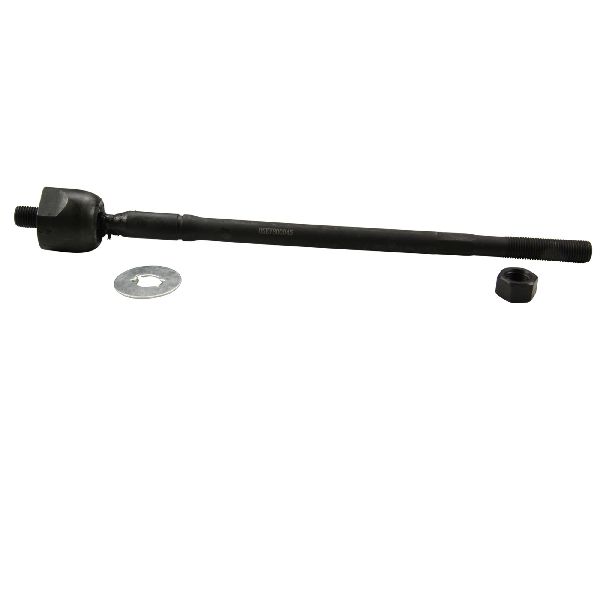
Not necessarily. You only need to replace the part that is worn. A mechanic can check by raising the car and testing for play. However, if you are replacing an inner tie rod, the outer must be removed anyway, so it can be cost-effective to replace both. If one side is worn, the other side is often not far behind.
Is a wheel alignment really necessary after replacement?
Yes, absolutely. Replacing a tie rod end will change your car's toe alignment. Skipping the alignment will cause rapid and uneven tire wear, poor handling, and a crooked steering wheel. Counting the threads when you remove the old part can get the alignment close enough to drive to the shop, but it is not a substitute for a professional alignment.
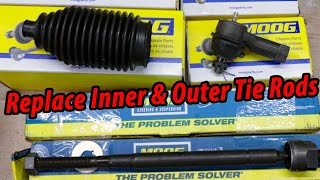
Can I replace a tie rod end myself? 🎬 Watch: A quick guide to replacing inner and outer tie rods.
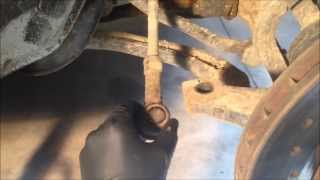
Replacing an outer tie rod end is a job that a DIYer with some experience can handle. It requires basic hand tools, a jack, and jack stands. The most difficult part is often separating the old tie rod from the steering knuckle, which may require a sharp hammer blow to the knuckle or a special tool called a pickle fork. Inner tie rods are more difficult and often require a specific inner tie rod removal tool, which can be rented from many auto parts stores.
Should I get a greaseable or sealed tie rod end?
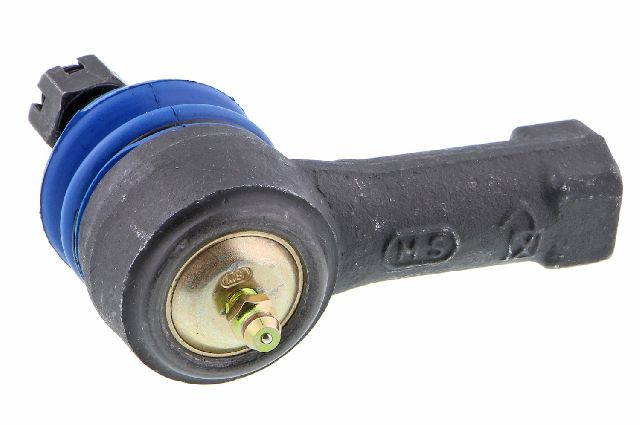
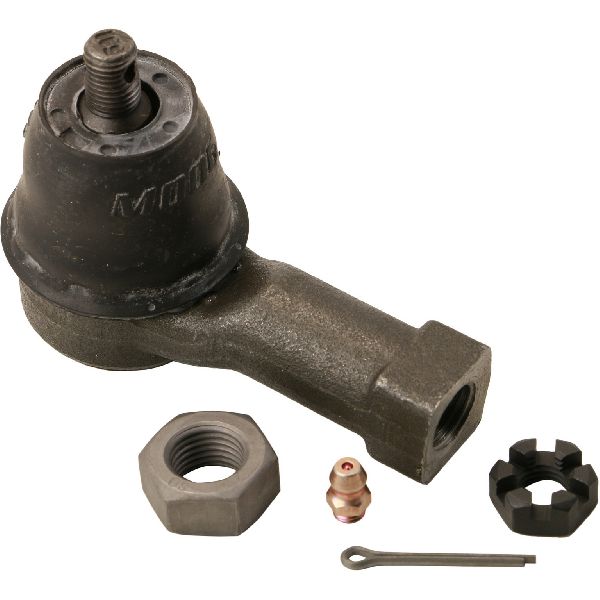
Some aftermarket brands like Moog offer greaseable tie rod ends, which have a zerk fitting to add new grease periodically. This can flush out contaminants and potentially extend the part's life if maintained. Sealed-for-life joints require no maintenance. For most drivers, either type is fine. If you opt for greaseable joints, be sure to grease them at every oil change.
Helpful Videos
Technical Specifications
OEM Part Numbers: 4452A002
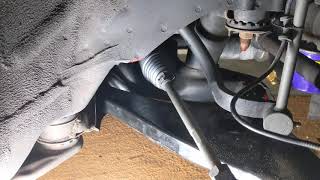
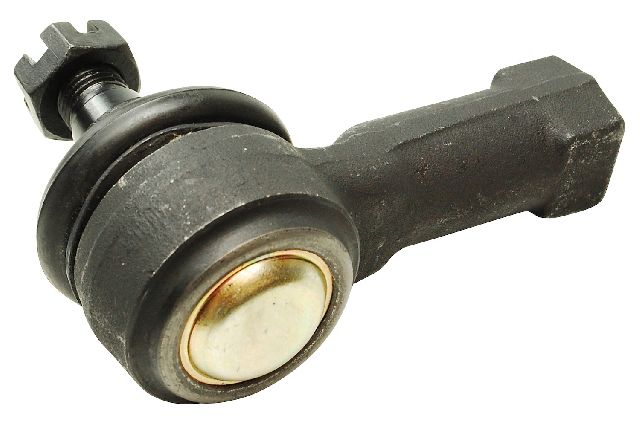
The Mitsubishi Eclipse uses a rack and pinion steering system with one inner and one outer tie rod end per side. Part numbers and design may vary slightly between generations (1G, 2G, 3G, 4G) and trim levels (FWD vs. AWD on early models). Always verify fitment with your specific year and model.
We Have This Part in Stock

The information in this article is provided for general reference and educational purposes only. Vehicle specifications, procedures, and part compatibility can vary by production date, trim level, and region. Always consult your vehicle's factory service manual and verify part numbers before purchasing or performing repairs. Safety-critical components such as airbags, seat belts, and braking systems should be installed by a qualified professional.
- Mitsubishi Eclipse:
- 🎬 Helpful Videos
- 🛍️ Shop This Part
- Is Your Eclipse Steering Feeling Loose or Noisy?
- Common Symptoms of a Bad Tie Rod End
- Safety First: Don't Ignore Bad Tie Rods
- Choosing the Right Aftermarket Tie Rod End
- Brand Quality Tiers
- Cost of Replacing Mitsubishi Eclipse Tie Rod Ends
- Frequently Asked Questions
- 🎟️ Get 5% Off