

Dodge Stealth Automatic Transmission Output Speed Sensor Guide (1991-1993)
Experiencing erratic shifting or a dead speedometer in your first-generation Dodge Stealth? This guide covers the likely culprit.
- Symptoms like harsh shifting and a dead speedometer strongly point to this sensor, but you MUST rule out a bad Transmission Control Unit (TCU) first, as it's a very common issue on 1991-93 models.
- Replacement is simple, requiring only basic tools to remove a single bolt, making it a good DIY job.
- Quality aftermarket brands like NGK (NTK) and Standard Motor Products (SMP) offer a reliable and much cheaper alternative to the OEM part.
- The diagnostic trouble codes P0720, P0721, and P0722 are specific indicators of an output speed sensor circuit failure.
Is Your Stealth Shifting Strangely?
If your 1991-1993 Dodge Stealth has an automatic transmission and is starting to shift harshly, if the speedometer has stopped working, or if the cruise control won't engage, a failing output shaft speed sensor is a common cause. This sensor is a straightforward electronic part that tells your car's computers how fast it's going, which is essential for smooth gear changes. When it fails, the transmission can get confused, leading to noticeable driving problems.
First, Check Your Transmission Control Unit (TCU)
Before you buy a new speed sensor, it's critical to know about a very common issue with 1991-1993 Dodge Stealths and their Mitsubishi 3000GT siblings. The capacitors inside the Transmission Control Unit (TCU) are known to leak over time. This can damage the circuit board and cause symptoms identical to a bad speed sensor, such as getting stuck in gear (limp mode) or harsh shifting. Many owners have replaced sensors only to find the TCU was the real problem. A visual inspection of the TCU board for leaking, bulging capacitors or a fishy smell can confirm this issue.
Choosing the Right Aftermarket Sensor
For a simple magnetic sensor like the output speed sensor, a quality aftermarket part is a reliable and cost-effective choice. The original OEM sensor is more expensive, and for this component, there is little evidence to suggest it offers a significant advantage over a reputable aftermarket brand. The key is to stick with established manufacturers.
- NGK (NTK): NGK's sensor brand, NTK, is a well-respected OEM supplier for many car manufacturers. Their sensors are known for meeting or exceeding factory specifications for fit and signal quality. The NTK sensor (part AU0125) is a trusted choice.
- Standard Motor Products (SMP): SMP has been a staple in the aftermarket for decades and is generally considered a quality brand. They offer a standard replacement (part SC104) and sometimes a "T-Series" version (SC104T). For critical components, it's often recommended to stick with their main line (SC104) over the economy T-series.
Common Mistake: The automatic transmission has both an input and an output speed sensor. They often look identical but are not interchangeable. Double-check that you are ordering and replacing the output sensor for the symptoms described here.
Aftermarket vs. OEM Cost for 1991-1993 Dodge Stealth
| Part Type | Estimated Price Range |
|---|---|
| New Aftermarket (NGK, Standard) | $22.63 - $33.62 |
| New OEM (Mopar Part #4800879) | $50 - $75 |
| Shop Labor | $110 - $161 |
Frequently Asked Questions (FAQ)
Where is the output speed sensor located?
The output speed sensor is located on the outside of the automatic transmission case. On a front-wheel-drive Stealth, you will need to look at the transaxle housing in the engine bay. There are two sensors that look alike; one is the input sensor and one is the output sensor. The output sensor is typically located further toward the rear of the transmission or closer to the axles. You may need to remove the air filter box for better access.
Is this a difficult part to replace myself?
No, this is a DIY-friendly repair for most home mechanics. The sensor is held in place by a single 10mm bolt. The main challenges are correctly identifying the output sensor versus the input sensor and accessing it in a tight space. Disconnect the electrical connector, unbolt the old sensor, and install the new one. A small amount of transmission fluid may leak out when you remove the sensor, so be prepared to swap the new one in quickly.
What tools do I need to replace the speed sensor?
You will need basic hand tools, including a socket set (specifically a 10mm socket), a ratchet, and possibly an extension. A flat-blade screwdriver can help release the clip on the electrical connector.
What are the trouble codes for a bad output speed sensor?
A failing output speed sensor will typically trigger a Check Engine Light. The most common trouble codes are P0720 (Output Speed Sensor Circuit Malfunction), P0721 (Output Speed Sensor Range/Performance), and P0722 (Output Speed Sensor Circuit No Signal).
Are there any recalls for this part?
There are no specific NHTSA recalls or Technical Service Bulletins (TSBs) for the automatic transmission output shaft speed sensor on the 1991-1993 Dodge Stealth. There was a recall for the all-wheel-drive transfer case, but this does not apply to the sensor itself or FWD models.
Technical Specifications
OEM Part Numbers: 4800879
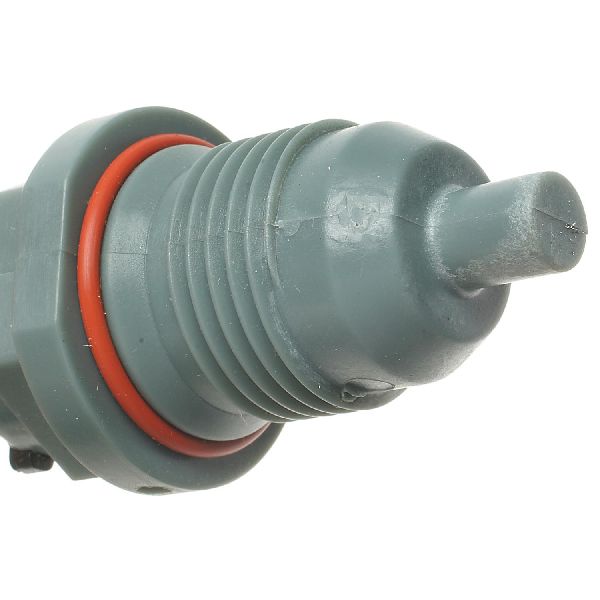
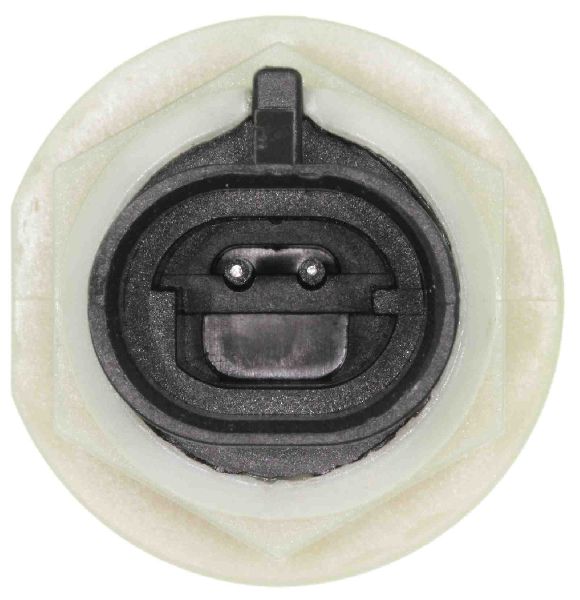
2-pin, externally mounted magnetic sensor with o-ring seal.
We Have This Part in Stock


The information in this article is provided for general reference and educational purposes only. Vehicle specifications, procedures, and part compatibility can vary by production date, trim level, and region. Always consult your vehicle's factory service manual and verify part numbers before purchasing or performing repairs. Safety-critical components such as airbags, seat belts, and braking systems should be installed by a qualified professional.
- Dodge Stealth: