

Electric Fuel Pump Guide for the 1991-1996 Dodge Stealth
Keep your Stealth's 6G72 engine fed with the right fuel pump and avoid common headaches.
- Always check electrical components like the MFI relay and fuses before replacing the fuel pump; they are common failure points.
- Choose your pump based on your model: a standard pump for NA cars, and a high-quality or performance pump (Denso, Bosch, Walbro) for Turbo models.
- During replacement, be extremely careful not to twist the fixed fuel line on the pump assembly; hold it with one wrench while loosening the hose fitting with another.
- The job is accessible via a panel in the trunk, so you do not need to drop the entire fuel tank.
Is Your Dodge Stealth Fuel Pump Failing?
A failing fuel pump can cause a range of problems, from annoying hesitations to leaving you stranded. Because the Dodge Stealth shares its platform with the Mitsubishi 3000GT, it has some specific quirks you should know about before you replace the pump.
Check This First!
Before you blame the pump, check the simple things. Many fuel delivery issues on these cars are caused by electrical problems, not the pump itself. Listen for a 2-second humming sound from the rear of the car when you turn the key to the 'ON' position (without starting). If you hear nothing, the pump isn't getting power. Check the MFI relay, fuses, and any wiring connectors for corrosion before spending money on a new pump.
Common Symptoms of a Bad Fuel Pump
- Engine Cranks, But Won't Start: The engine turns over but never fires up because it's not getting fuel.
- Engine Sputtering or Hesitation: Especially at high speeds or under acceleration, the car may jerk or feel like it's losing power intermittently.
- Loss of Power: The car feels sluggish, especially when going uphill or accelerating hard. The stock pump on a TT model can run out of capacity at boost levels over 14-15 psi.
- Loud Whining Noise: A failing pump motor may make a loud, high-pitched whine from the fuel tank area.
- Sudden Stalling: The engine may die unexpectedly while driving. If this happens, the car is not safe to drive.
Choosing the Right Aftermarket Fuel Pump
The original OEM fuel pump was made by Denso. When choosing a replacement, you get what you pay for. Aftermarket pumps for the Stealth can be grouped into three main tiers.
Tier 1: Premium OE-Quality Brands
These brands are known for meeting or exceeding original equipment standards. They are the most reliable choice for a daily driver or a stock vehicle.
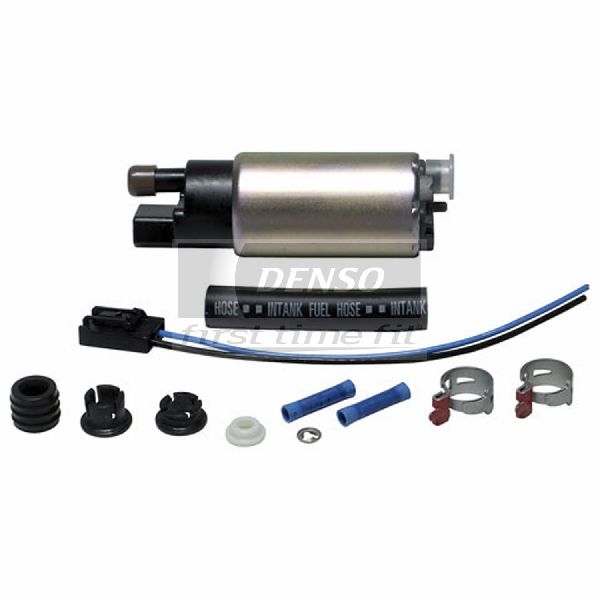
- Denso: As the original supplier, Denso is a top choice for guaranteed fit and reliability. For Japanese-engineered cars like the Stealth, they are often the gold standard. Many owners of turbo models upgrade to the Denso pump originally used in the Toyota Supra for its higher flow and reliability.
- Bosch: A world leader in automotive parts, Bosch pumps are engineered for quiet operation and long life. They are considered a premium, highly reliable option on par with Denso.
- Delphi: A major OE supplier for many American and European brands, Delphi makes quality fuel pumps that are a strong, reliable alternative to Denso or Bosch, often at a slightly better price.
Tier 2: Performance & Enthusiast Brands
If you have a Twin-Turbo model with modifications like increased boost, you need a pump that can keep up. These brands are popular in the 3000GT/Stealth community.
- Holley (Walbro): Walbro high-flow pumps (like the 255 LPH model) are a very common and cost-effective upgrade for modified cars needing more fuel. They are proven performers in the Stealth/3000GT community.
Tier 3: Standard / Economy Brands
These brands offer a functional replacement at a lower cost. They are best for a non-turbo car with a tight budget, but may not have the same longevity as premium brands.
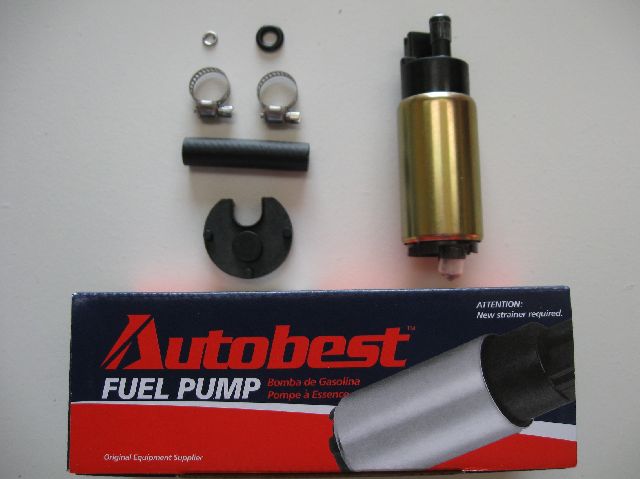
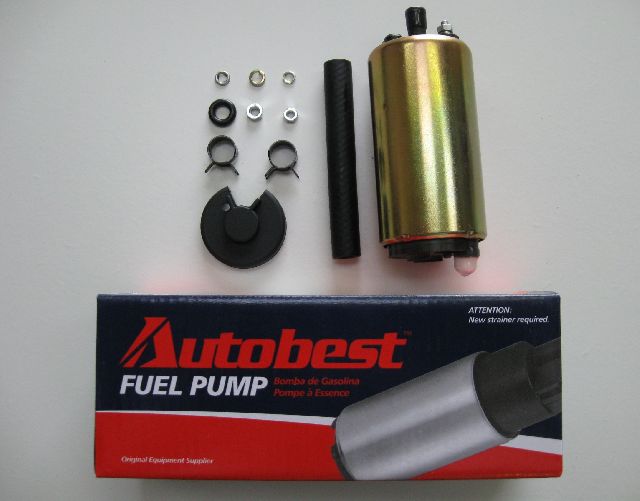
- AutoBest, GMB, US Motor Works: These brands provide a basic, functional pump that will get your car running again. They are a practical choice if cost is the primary concern. A video guide shows a successful installation using a US Motor Works pump.
A Note on Ordering
Always confirm whether you are buying just the pump motor or a complete assembly. For this vehicle, you will almost always be replacing just the pump motor itself, which gets installed into your car's original fuel pump assembly (the 'hanger'). Also, be sure to order the correct pump for your model (Turbo or Non-Turbo), as the required flow rates are different.
Cost of Replacing a Dodge Stealth Fuel Pump
| Item | Estimated Cost |
|---|---|
| New Aftermarket Pump (Motor Only) | $38 - $175 |
| New Complete OEM-Style Assembly | $390 - $425 |
| Shop Labor | $250 - $450 |
| Total (Aftermarket Part + Labor) | $288 - $625 |
Frequently Asked Questions (FAQ)
Is the fuel pump hard to replace on a 1991-1996 Dodge Stealth?
It is a moderately difficult job. The good news is you don't have to drop the fuel tank. The pump is accessed through a panel in the hatch area. The hardest parts are often dealing with rusted screws on the access panel and assembly, and safely disconnecting the high-pressure fuel line without breaking it. It is a DIY-feasible job for someone with some mechanical experience.
What is the difference between the turbo and non-turbo fuel pump?
The Twin-Turbo (R/T TT) models require a higher-flow fuel pump to supply enough fuel for the engine when it's under boost. A non-turbo pump will not provide enough fuel for a turbo engine and will cause dangerous lean conditions. While a turbo pump can be used in a non-turbo car, it's best to use the correct pump for your specific model.
Are there any recalls on the Dodge Stealth fuel pump?
No. Searches of the NHTSA database did not find any fuel pump-specific recalls for the 1991-1996 Dodge Stealth. Recalls found for Dodge fuel pumps apply to much newer vehicles and different models.
What's the most common mistake when replacing the pump?
The most common and costly mistake is breaking the fixed fuel line on the pump assembly. The nut on the assembly side does NOT spin. You must use a wrench to hold that nut still while you use a second wrench (a flare-nut wrench is best) to loosen the fitting on the flexible fuel hose. Trying to turn the fixed nut will twist and break the metal pipe, requiring a much more expensive repair.
Technical Specifications
OEM Part Numbers: MB678806 MB698857 MB678807
The stock fuel pump is an in-tank, 'wet type' electric pump. The system uses a return line and external fuel pressure regulator. The stock Twin-Turbo pump is a Denso model 195130-0810. Non-turbo models use a lower flow rate pump.
We Have This Part in Stock
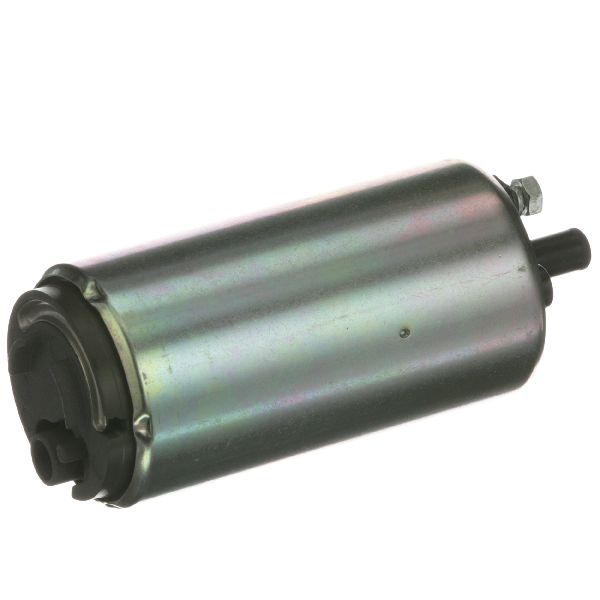
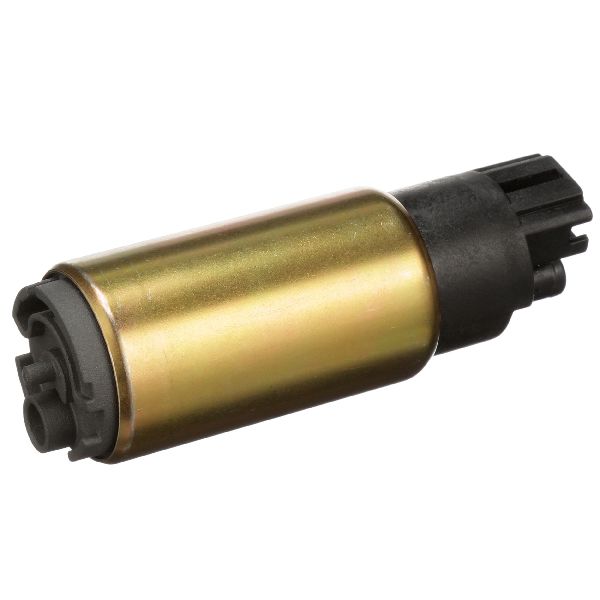

The information in this article is provided for general reference and educational purposes only. Vehicle specifications, procedures, and part compatibility can vary by production date, trim level, and region. Always consult your vehicle's factory service manual and verify part numbers before purchasing or performing repairs. Safety-critical components such as airbags, seat belts, and braking systems should be installed by a qualified professional.
- Dodge Stealth:
- 🛍️ Shop This Part
- Is Your Dodge Stealth Fuel Pump Failing?
- Check This First!
- Common Symptoms of a Bad Fuel Pump
- Choosing the Right Aftermarket Fuel Pump
- Tier 1: Premium OE-Quality Brands
- Tier 2: Performance & Enthusiast Brands
- Tier 3: Standard / Economy Brands
- A Note on Ordering
- Cost of Replacing a Dodge Stealth Fuel Pump
- Frequently Asked Questions (FAQ)
- 🎟️ Get 5% Off