

1991-1997 Ford Bronco Transmission Speed Sensor Diagnosis and Replacement
Solve your Bronco's erratic shifting and speedometer problems by understanding its unique speed sensor setup.
- For 1992-1997 Broncos, the speed sensor for the transmission is the VSS located in the rear differential.
- Symptoms almost always include both harsh shifting and a faulty speedometer.
- Always check the wiring, connector, and fuses before assuming the sensor itself has failed.
- Replacement is very easy and a great DIY task, often taking less than 30 minutes.
Understanding Your Bronco's Speed Sensor

If you own a 1991-1997 Ford Bronco with an automatic transmission, especially the common E4OD, you might face issues with how it shifts or with your speedometer. A common cause for these problems is a failing speed sensor. It's important to know that for most of this generation (1992-1997), the crucial sensor is the one located on top of the rear differential, which serves as both the Vehicle Speed Sensor (VSS) and the rear ABS sensor. This single sensor provides speed information for your transmission shifts, speedometer reading, and anti-lock brakes.
Symptoms of a Failing Speed Sensor

A bad speed sensor can cause several problems at once. Because the sensor provides data to multiple systems, you will likely notice a combination of these issues when it fails.
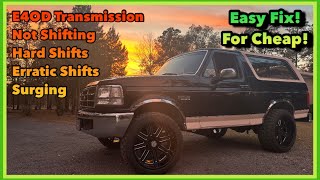
- Harsh, Erratic Shifting: The most common complaint is sudden, hard shifts, especially at low speeds. 🎬 See how a faulty sensor causes these transmission shifting problems. The transmission may also delay shifts or feel like it's slipping between gears.
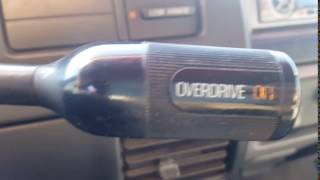
- Flashing 'O/D OFF' Light: The overdrive cancel button light on your gear shifter may start flashing, indicating a transmission-related fault has been detected by the computer.
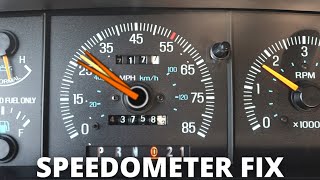
- Inoperative or Bouncing Speedometer: The speedometer may stop working entirely, read 0 mph while driving, 🎬 Watch this guide to fixing a bouncing or dead speedometer. or bounce around erratically.
- ABS Light On: Since the sensor is tied to the anti-lock braking system, its failure can trigger the ABS warning light on your dashboard.
- Check Engine Light: A failed sensor can log a fault code, such as OBD1 code 452 or OBD2 code P0720, which will turn on the Check Engine Light.
Check More Than Just the Sensor
Many Bronco owners have replaced the speed sensor only to find the problem remains. Before buying a new part, inspect the wiring harness leading to the sensor for any breaks, corrosion, or damage. Also, check related fuses, as a simple blown fuse can cause the same symptoms. In some cases, the fault may lie with the instrument cluster's PSOM or the ABS control module itself.
Choosing the Right Aftermarket Sensor

For a part like this on an older vehicle, a high-quality aftermarket sensor offers excellent value. Original Motorcraft parts can be expensive and hard to find. Reputable aftermarket brands specialize in producing sensors that meet or exceed original equipment (OE) specifications.
- Standard Ignition (SMP): A well-regarded brand in the professional repair industry, Standard produces a wide range of sensors and other electronic components that are known for their reliability.
- NGK / NTK: While famous for spark plugs (NGK), their sensor division (NTK) is an OE supplier for many automakers and has a strong reputation for quality and durability. Forum users often recommend NTK as a reliable choice for aftermarket sensors.
Both NGK and Standard Ignition are solid choices that provide a dependable repair without the high cost of an OE-branded part.
Cost Comparison: Speed Sensor Replacement
| Part Type | Estimated Cost |
|---|---|
| New Aftermarket (NGK, Standard Ignition) | $24 - $33 |
| New OEM (Motorcraft) | $70 - $120+ |
| Shop Labor | $50 - $100 |
Frequently Asked Questions

Where is the speed sensor located on my 1991-1997 Bronco?
For 1992-1997 models, the sensor you need to check is on the top of the rear differential housing. It's held in by a single bolt. For 1991 models, or models with different drivetrain configurations, it may be on the transfer case (4WD) or the tail housing of the transmission (2WD).
What if replacing the sensor doesn't fix the problem?
If a new sensor doesn't solve your shifting or speedometer issues, the problem is likely elsewhere in the electrical system. The most common culprits are a damaged wiring connector, a short in the wiring harness, a blown fuse, or a faulty Programmable Speedometer/Odometer Module (PSOM) located within the instrument cluster.
Is this a difficult repair to do myself?
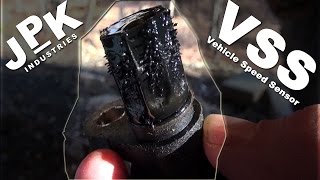
No, replacing the rear differential speed sensor is a very easy job for a DIY mechanic. It requires basic hand tools, takes less than 30 minutes, and is easily accessible. The process involves unplugging the connector, removing one bolt, and carefully pulling the old sensor out.
🎬 Watch this quick walkthrough on how to replace the VSS.Is an aftermarket sensor good enough for my Bronco?
Yes. For this specific part, a quality aftermarket sensor from a brand like NTK or Standard Ignition is a reliable and cost-effective choice. These brands build parts to OE standards and are trusted by repair professionals. Given the age of the vehicle, there is little advantage to paying a premium for a Motorcraft part in this case.
Helpful Videos
Technical Specifications
OEM Part Numbers: F85Z-9E731-AB DY-1123
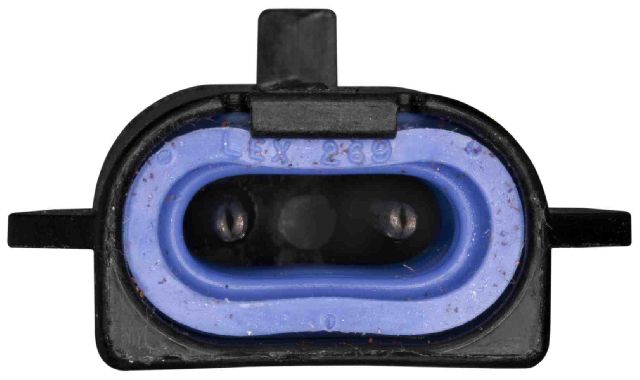
Variable reluctance sensor located in the rear differential housing for 1992-1997 models.
We Have This Part in Stock


The information in this article is provided for general reference and educational purposes only. Vehicle specifications, procedures, and part compatibility can vary by production date, trim level, and region. Always consult your vehicle's factory service manual and verify part numbers before purchasing or performing repairs. Safety-critical components such as airbags, seat belts, and braking systems should be installed by a qualified professional.
- Ford Bronco: