

Jaguar XJ6 (1991-1997) Ignition Coil Diagnosis and Replacement
Solve misfires and poor running by understanding the right ignition coil for your classic XJ6.
- First, identify your model: 1991-1994 (XJ40) uses one coil, while 1995-1997 (X300) uses six.
- On X300 models, it is strongly recommended to replace all six coils at once to prevent future failures.
- Check for oil in the spark plug wells; if present, replace the valve cover gaskets to protect your new coils.
- Avoid the cheapest no-name aftermarket coils, as they have a high rate of premature failure according to owner experiences.
Understanding Your XJ6's Ignition System: XJ40 vs. X300
Before buying a new ignition coil, you must know which Jaguar XJ6 model you own. The 1991-1997 production years span two distinct generations, the XJ40 and the X300, and they use different ignition systems.
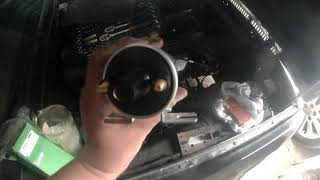
- 1991-1994 Jaguar XJ6 (XJ40): These models have a single ignition coil that works with a distributor to send spark to each cylinder. Failure of this single coil will cause the entire engine to stop running. Replacement is straightforward as you are only dealing with one component. 🎬 Watch: Step-by-step guide to replacing the XJ40 ignition coil.
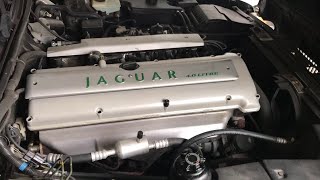
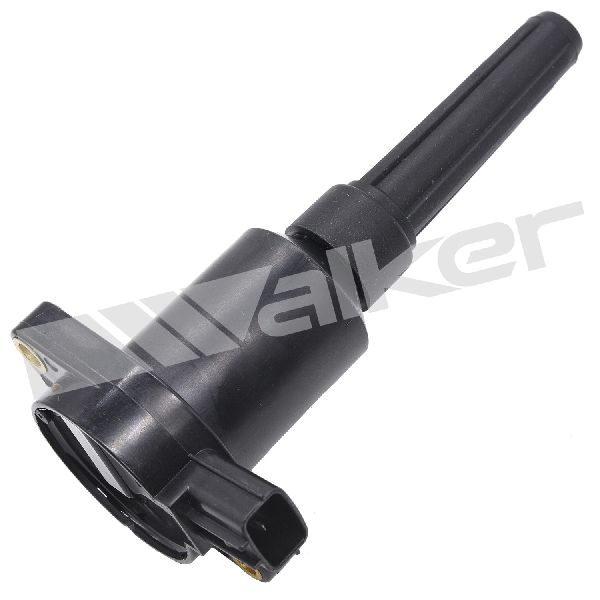
- 1995-1997 Jaguar XJ6 (X300): These models feature a coil-on-plug ignition system. Each of the six cylinders has its own dedicated ignition coil mounted directly on top of the spark plug. When one coil fails, it typically causes a misfire in that specific cylinder, but the engine will still run on the remaining five. It is common for owners to replace all six coils at once, as the others may be near the end of their service life.
Choosing the Right Aftermarket Ignition Coil
For a classic vehicle like the XJ6, the debate between OEM (Original Equipment Manufacturer) and aftermarket parts is common. Original coils were often made by Lucas or Diamond Manufacturing. While some purists prefer to find original parts, high-quality aftermarket coils from reputable brands offer a reliable and cost-effective solution. Many owners have had success with aftermarket brands, but quality can vary significantly.
A Note on Cheap Coils
Forum discussions among XJ6 owners frequently warn against the cheapest no-name coils found online. While the low price is tempting, these parts have a reputation for high failure rates, sometimes within months. This can leave you stranded and spending more in the long run. Investing in a recognized brand is a safer bet for reliability.
Aftermarket Brand Tiers
Based on general reputation and availability, aftermarket brands for your XJ6 can be grouped into tiers:
- Tier 1 - Established Brands (Standard Ignition, Walker Products): These companies have a long history in the aftermarket industry. Standard Motor Products (SMP) is a well-known manufacturer, and their coils are generally considered a reliable choice. Walker Products also produces a wide range of ignition components and markets them as meeting or exceeding OE standards. These brands often provide a good balance of quality and value.
- Tier 2 - Economy Brands (DriveWire, Global Parts): These brands typically compete on price. They can be a viable option for a limited budget, but their long-term durability may be less consistent than Tier 1 brands. If choosing an economy coil, it's wise to keep a spare on hand, especially for the coil-on-plug X300 models.
| Part Type | Estimated Cost (Single Coil) | Notes |
|---|---|---|
| New Aftermarket | $40 - $165 | Price varies by brand and model year (XJ40 vs. X300). |
| New OEM (Lucas/Jaguar) | $130 - $280+ | Can be difficult to find new. Price reflects single coil. |
| Shop Labor | $70 - $150 | Higher end of range for replacing all six coils on an X300 model. |
Pro Tip: Replacing Spark Plugs and Gaskets
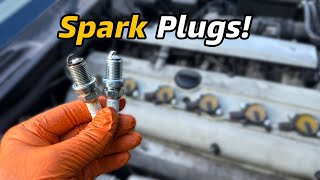
When replacing ignition coils, especially on a high-mileage X300, it is highly recommended to replace the spark plugs at the same time. 🎬 See this walkthrough for replacing spark plugs on X300 models. It is also common to find oil in the spark plug wells, caused by leaking valve cover gaskets and spark plug O-ring seals. Replacing these gaskets while you have the coils removed will prevent oil from fouling your new coils and plugs.
Frequently Asked Questions (FAQ)
How do I know if I have a bad ignition coil?
Common symptoms include the check engine light turning on, engine misfires (feels like a stumble or shake), rough idling, poor acceleration, and reduced fuel economy. On an X300, you can identify the specific misfiring cylinder by using an OBD-II scanner to read the fault codes (e.g., P0301 for cylinder 1, P0302 for cylinder 2, etc.).
Should I replace all the coils at once on my 1995-1997 XJ6?
Yes, it is highly recommended. Ignition coils on your X300 are all the same age and have been exposed to the same conditions. When one fails, others are likely to fail soon after. Replacing them all at once is a preventative measure that saves you from future breakdowns and repeated repair jobs.
Is replacing the ignition coil a difficult job?
No, this is a very DIY-friendly job for both XJ40 and X300 models. For the XJ40, it involves removing two bolts and a couple of electrical connectors. For the X300, you remove a decorative cover, then unbolt and unplug each coil individually. The entire job can typically be done in under an hour with basic hand tools.
What is the most common cause of ignition coil failure on these cars?
Aside from normal age and heat cycles, a common issue on the X300 model is oil leaking from the valve cover gaskets into the spark plug wells. This oil can saturate the coil boot and cause the coil to short out and fail. If you find oil when you remove the coils, you must replace the valve cover gaskets to solve the root cause.
🎬 Watch: How to replace the valve cover gasket on your XJ6.Helpful Videos
Technical Specifications
OEM Part Numbers: LHE1510AB DAC11463 DBC1140 DAC4608
System Type: Single Coil with Distributor (1991-1994 XJ40) or Coil-on-Plug (1995-1997 X300). The X300 uses six individual coils. The XJ40 uses one coil.
We Have This Part in Stock


The information in this article is provided for general reference and educational purposes only. Vehicle specifications, procedures, and part compatibility can vary by production date, trim level, and region. Always consult your vehicle's factory service manual and verify part numbers before purchasing or performing repairs. Safety-critical components such as airbags, seat belts, and braking systems should be installed by a qualified professional.
- Jaguar XJ6: