

Ford Thunderbird Serpentine Belt Replacement Guide (1991-1998)
Everything you need to know about choosing the right serpentine belt and avoiding common issues for your Thunderbird.
- A chirping noise on the 3.8L V6 may be a failing camshaft synchronizer, not the belt.
- Always inspect the tensioner and idler pulleys for noise or wobble when replacing the belt.
- Premium aftermarket brands like Gates, Continental, and Dayco are reliable choices for this vehicle.
- The V6 and V8 engines use different belts and have different tensioner release procedures.
Symptoms of a Bad Serpentine Belt
A failing serpentine belt usually gives clear warning signs. Ignoring them can lead to a sudden breakdown. Look and listen for these symptoms:
🎬 Watch: A visual guide to common serpentine belt symptoms- Squealing or Chirping Noises: This is the most common sign. A high-pitched squeal from the engine, especially when you start the car or turn on the A/C, often means the belt is slipping due to wear or improper tension.
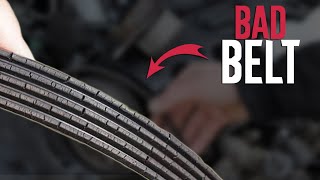
- Visible Damage: Pop the hood and look at the belt. If you see multiple cracks, frayed edges, missing chunks of the ribbed section, or a shiny, glazed surface, it's time for a replacement.
- Accessory Problems: If your headlights dim, the battery light comes on, the power steering feels heavy, or the A/C stops blowing cold, the belt may not be properly powering those components.
- Engine Overheating: The temperature gauge climbing into the red is a critical warning. The belt drives the water pump, and if it fails, coolant stops circulating, causing the engine to overheat quickly.
Special Note for 3.8L V6 Owners
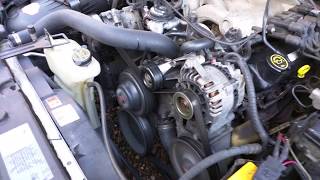
A persistent "chirping" noise on 3.8L V6 engines is often mistaken for a bad belt or pulley. However, a very common issue on this specific engine is the failure of the camshaft synchronizer. If a new belt and tensioner don't fix the chirp, have the camshaft synchronizer inspected immediately, as its failure can lead to a loss of oil pressure and catastrophic engine damage.
🎬 See how to identify that specific 3.8L V6 chirping noiseChoosing the Right Aftermarket Belt
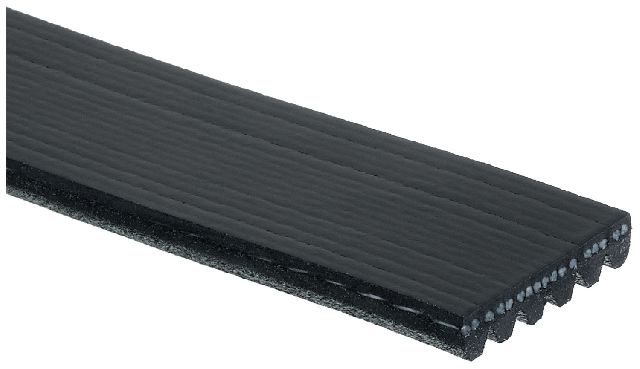
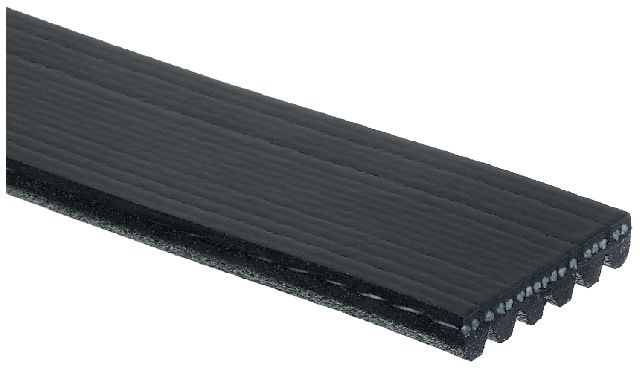
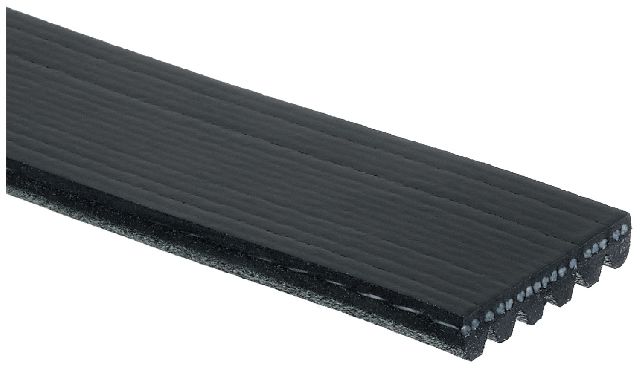
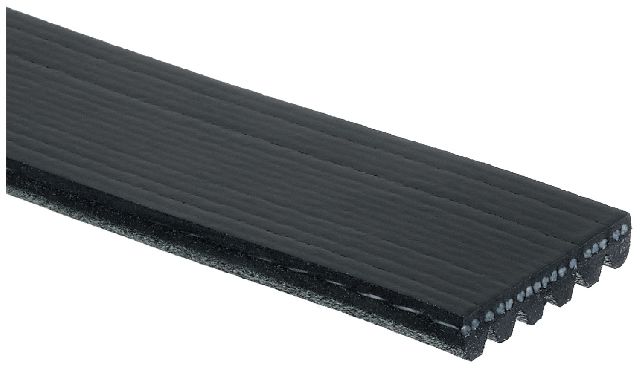
For a vehicle like the 1991-1998 Thunderbird, a high-quality aftermarket belt is often equal to or better than the original factory part. The technology in rubber compounds has improved over the decades. Here’s a breakdown of common brand tiers.
- Premium Brands (Continental, Gates, Dayco): These brands are well-respected and are often the original equipment manufacturer (OEM) for many car companies. They use high-quality EPDM rubber compounds that resist heat, cracking, and wear. For reliability and longevity, choosing a belt from one of these brands is a smart investment. Forum discussions among domestic car owners generally favor these brands for their durability.
- Economy Brands (Skyward): Economy brands offer a lower price point, making them a viable option for budget-conscious repairs. While they will get your car back on the road, they may not have the same lifespan or noise-resistance as premium brands. If you plan on keeping your Thunderbird for a long time, a premium belt is recommended.
Pro Tip: Replace the Tensioner and Idler Pulleys
The serpentine belt works as a system with a spring-loaded tensioner and one or more idler pulleys. These parts wear out too. A weak tensioner can't keep proper tension, causing even a new belt to slip and wear out fast. When replacing your belt, spin each pulley by hand. If you hear grinding noises or feel any wobble, replace them at the same time. It's cheap insurance against future problems.
Typical Replacement Costs
The cost to replace a serpentine belt can vary based on the parts you choose and whether you do the job yourself.
| Part/Service | Estimated Cost |
|---|---|
| New Aftermarket Serpentine Belt | $18.98 - $72.43 |
| Shop Labor | $100 - $200 |
| DIY Total (Part Only) | $18.98 - $72.43 |
| Shop Total (Parts & Labor) | $120 - $275 |
Frequently Asked Questions
How often should I replace the serpentine belt?
Most modern serpentine belts have a lifespan of 60,000 to 100,000 miles. However, due to the age of the 1991-1998 Thunderbird, it's best to inspect the belt annually for signs of wear like cracks or fraying, regardless of mileage.
Is this a difficult job to do myself?
No, this is a great DIY job for beginners. The difficulty is low, requiring only basic hand tools. The key is releasing the belt tensioner correctly. For the 4.6L V8, you'll use a 1/2-inch breaker bar or ratchet in the square slot on the tensioner arm. For the 3.8L V6, you'll use a wrench on the pulley's center bolt to pivot the tensioner. Always take a picture of the belt's routing before you start.
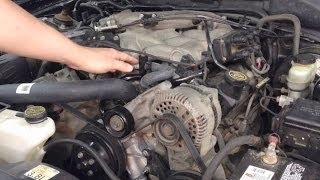
🎬 Watch this step-by-step belt replacement on a 1996 ThunderbirdDoes my engine (V6 vs. V8) use a different belt?
Yes. The 3.8L V6 and 4.6L V8 engines require different length belts and have different routing paths. Ensure you purchase the correct belt for your specific engine. Parts are not interchangeable between them.
Are there any recalls for the Thunderbird serpentine belt?
Searches of the National Highway Traffic Safety Administration (NHTSA) database and Technical Service Bulletin (TSB) archives did not show any specific recalls or bulletins for the serpentine belt system on the 1991-1998 Ford Thunderbird.
Helpful Videos
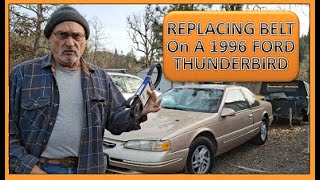
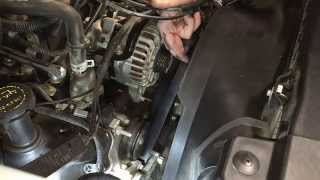
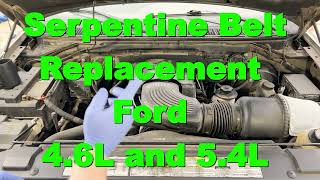

Technical Specifications
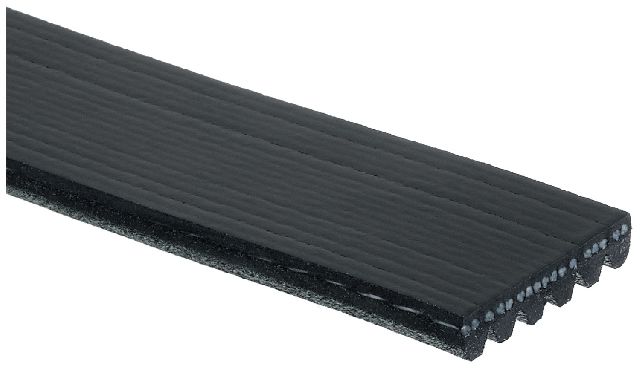
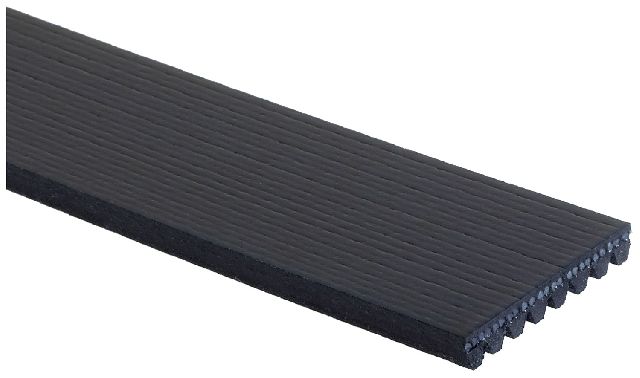
The correct belt length and rib count vary by engine (3.8L V6 vs 4.6L/5.0L V8) and options (with or without A/C). Always verify the exact part number for your Thunderbird's specific configuration. The tensioner on the 4.6L V8 uses a 1/2" square drive for release, while the 3.8L V6 uses a bolt head on the pulley.
We Have This Part in Stock

The information in this article is provided for general reference and educational purposes only. Vehicle specifications, procedures, and part compatibility can vary by production date, trim level, and region. Always consult your vehicle's factory service manual and verify part numbers before purchasing or performing repairs. Safety-critical components such as airbags, seat belts, and braking systems should be installed by a qualified professional.
- Ford Thunderbird: