

A Nissan Tsuru Owner's Guide to Distributor Cap Replacement (1991-1998)
If your Tsuru is misfiring, stalling, or hard to start, the distributor cap is a likely and easy-to-fix problem.
- Before replacing, check for oil inside the old distributor cap; this indicates a common seal failure that requires replacing the entire distributor.
- Always replace the distributor rotor at the same time as the cap for a complete and reliable repair.
- Transfer spark plug wires one at a time to the new cap to maintain the correct firing order.
- Aftermarket brands like Standard Ignition are considered reliable choices for this part.
Is Your Tsuru's Distributor Cap Failing?
A distributor cap is a wear item. It lives in a tough environment with high heat and high voltage, so it won't last forever. Over time, the plastic can crack, and the metal terminals inside can get covered in carbon or corrode. When this happens, electricity can't get to the spark plugs reliably, causing noticeable engine problems.
Check for Oil Inside the Distributor!
A very common problem on the GA16DE engine in these cars is for the distributor's internal oil seal to fail. Oil then leaks up into the distributor housing, getting all over the cap, rotor, and other sensitive electronics inside. If you remove your cap and see engine oil inside, simply replacing the cap will only be a temporary fix. The entire distributor assembly will likely need to be resealed or replaced to solve the root problem.
Symptoms of a Failing Distributor Cap
- Engine Misfires: You might feel a stutter, hesitation, or jerking from the engine, especially when you accelerate.
- Rough Idle: The engine may shake or vibrate when you're stopped, and the RPMs might bounce around.
- Trouble Starting: The engine may crank for a long time before it starts, or it might crank but not start at all.
- Stalling: The engine could shut off unexpectedly, especially after it has warmed up.
- Check Engine Light: A misfire caused by a bad cap can trigger the check engine light, often with codes like P0300 (Random Misfire).
Choosing the Right Aftermarket Distributor Cap
For a vehicle like the 1991-1998 Tsuru, the original OEM part may be hard to find or expensive. The aftermarket offers several good alternatives. When choosing, it's important to focus on quality, as this part is critical for engine performance.
- Standard Ignition: This brand is well-regarded in the aftermarket for ignition components. Their caps are often made with quality materials, sometimes featuring brass terminals which are more durable than aluminum. They are a reliable choice that balances quality and cost.
- Walker Products: Walker is another available brand. While they offer parts at a budget-friendly price point, some online forum discussions show that mechanics and DIYers sometimes have mixed experiences with the brand's quality for ignition and electronic components.
For a critical ignition part, many experienced owners recommend choosing a brand known for quality, like Standard Ignition, or inspecting the part carefully before installation.
Pro Tip: Always replace the distributor rotor when you replace the cap. The rotor is an inexpensive part that wears out at the same rate as the cap. Replacing both at the same time ensures a complete and long-lasting repair.
Distributor Cap Replacement Cost for 1991-1998 Nissan Tsuru
The cost to replace the distributor cap is very reasonable, especially if you do the work yourself. The part itself is inexpensive, and labor at a shop should be minimal.
| Item | Estimated Cost |
|---|---|
| New Aftermarket Distributor Cap | $13 - $110 |
| Shop Labor | $60 - $90 |
| Total Professional Replacement | $73 - $200 |
Frequently Asked Questions
Can I replace the distributor cap myself?
Yes, this is a great job for a beginner. It usually only requires a Phillips head screwdriver to remove the two screws holding the cap. The most important step is to transfer the spark plug wires from the old cap to the new one, one at a time, to avoid mixing up the firing order.
Why does my car stall when it gets hot, but not when it's cold?
This is a classic symptom of a failing ignition component. As the engine heats up, tiny cracks in the distributor cap plastic can expand, or electronic components inside the distributor can fail, causing the spark to weaken or stop completely. When the car cools down, the cracks may close, and the car might start again.
What's the difference between brass and aluminum terminals?
Higher-quality distributor caps often use solid brass terminals because brass is a better conductor and is more resistant to corrosion than the aluminum terminals found on some cheaper caps. This can lead to a stronger spark and a longer part life.
Do I need to check for recalls or TSBs?
Searches for official recalls or Technical Service Bulletins (TSBs) from Nissan or the NHTSA did not show any specific issues for the distributor cap on the 1991-1994 Nissan Sentra, the Tsuru's US-market equivalent. Failures are typically due to normal age and wear.
Technical Specifications
OEM Part Numbers: 22162-78A00 22162-G5710 22162-88G00 22162-0M300 22162-82J00
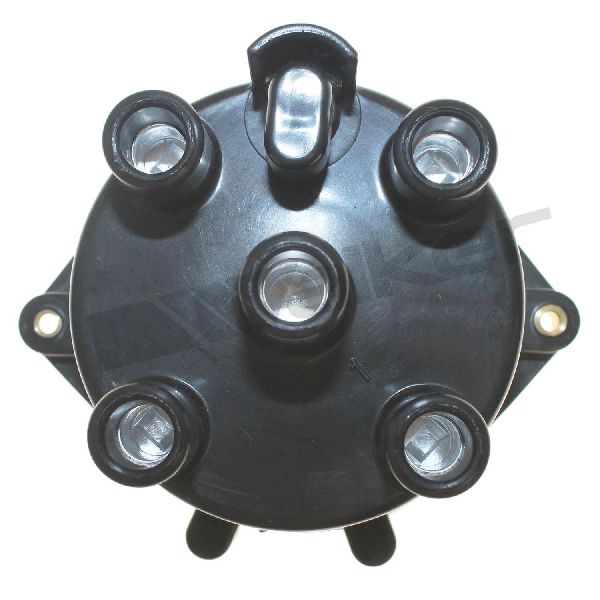
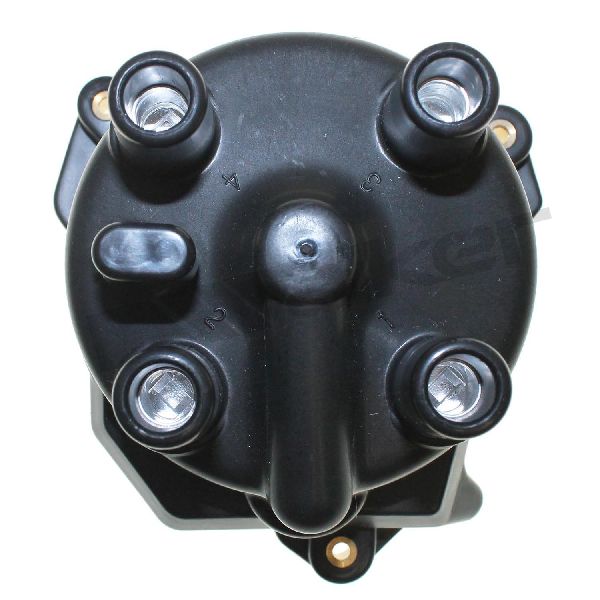
Fits the distributor on the 1.6L GA16DE engine. Typically held on by two Phillips head screws. Includes one central terminal for the coil wire and four outer terminals for the spark plug wires.
We Have This Part in Stock


The information in this article is provided for general reference and educational purposes only. Vehicle specifications, procedures, and part compatibility can vary by production date, trim level, and region. Always consult your vehicle's factory service manual and verify part numbers before purchasing or performing repairs. Safety-critical components such as airbags, seat belts, and braking systems should be installed by a qualified professional.
- Nissan Tsuru: