

Nissan Sentra Oxygen Sensor Guide: 1991-1999 Replacement
Fix your Sentra's check engine light and poor gas mileage by choosing the right replacement oxygen sensor.
- Confirm if your Sentra is OBD-I (1991-95, one sensor) or OBD-II (1996-99, two sensors) before ordering.
- For OEM-level quality and reliability, choose a direct-fit sensor from Denso or NGK (NTK).
- Using a special O2 sensor socket will make removal and installation much easier.
- Driving with a bad O2 sensor can damage your expensive catalytic converter over time.
Understanding Your Sentra's Oxygen Sensors
The oxygen sensor is a critical part of your Sentra's emissions and engine management system. Over time, exposure to hot exhaust gas, carbon, and contaminants causes it to wear out, typically between 60,000 and 100,000 miles. When it fails, your engine's computer receives incorrect information, leading to a variety of problems. Replacing a failing O2 sensor can restore engine performance, improve gas mileage, and prevent damage to other expensive components like the catalytic converter.
Generation Differences are Key
Before buying a new sensor, you must know which system your Sentra has:
- 1991-1995 (OBD-I): These models typically have only one oxygen sensor. It is located in the exhaust manifold before the catalytic converter. This is often called the "upstream" sensor.
- 1996-1999 (OBD-II): These models have two oxygen sensors.
- Upstream (Sensor 1): Located before the catalytic converter, this sensor is the primary sensor for managing the air-fuel ratio.
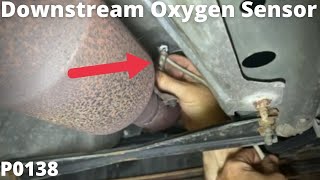
- Downstream (Sensor 2): Located after the catalytic converter, this sensor's job is to monitor the converter's efficiency.
Ordering Mistake: The most common mistake is ordering the wrong sensor. Upstream and downstream sensors are not interchangeable. Always confirm your Sentra's year and the specific sensor location you need to replace.
Symptoms of a Failing Oxygen Sensor
A bad O2 sensor will usually trigger a Check Engine Light, but you might notice other performance issues first:
🎬 Watch: 8 common signs of a faulty oxygen sensor- Poor Fuel Economy: One of the most common signs is a sudden drop in your gas mileage.
- Rough Idle or Engine Misfires: The engine may run unevenly or hesitate during acceleration.
- Rotten Egg Smell: A strong sulfur smell from the exhaust can indicate a problem.
- Failed Emissions Test: A bad sensor will prevent your car from passing an emissions inspection.
Choosing the Right Aftermarket O2 Sensor
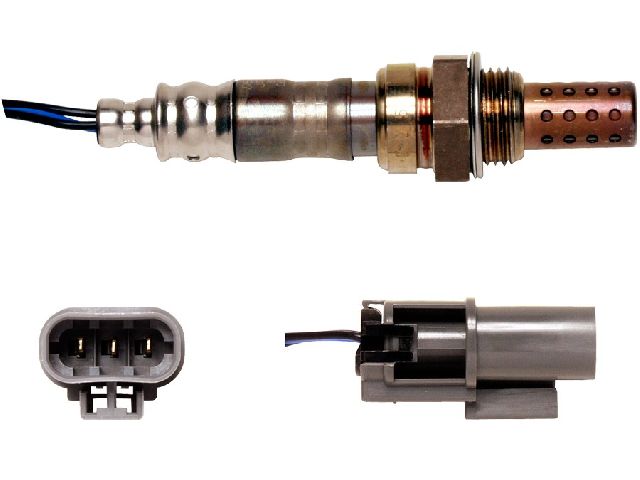
You don't need to buy an expensive OEM sensor from the dealer. Many aftermarket brands offer excellent quality, and some are even the original suppliers to Nissan. Here’s a breakdown of trusted brands:
Top Tier (OEM Quality): Denso and NGK (NTK) are widely regarded as the original equipment manufacturers for many Japanese vehicles, including Nissan. Choosing one of these brands is the closest you can get to the original part's performance and longevity. They are a safe and highly recommended bet for any Sentra.
Reliable Aftermarket: Bosch invented the modern oxygen sensor and is a huge name in auto parts. While some enthusiasts prefer to stick with Japanese brands for Japanese cars, Bosch makes reliable direct-fit sensors that are a solid choice.
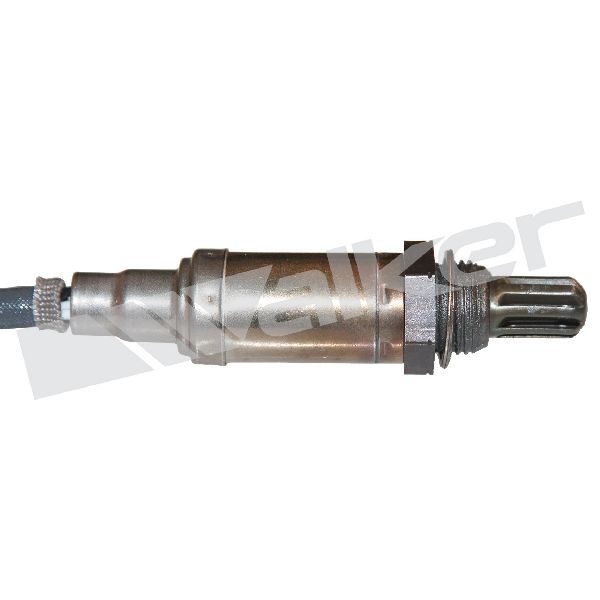
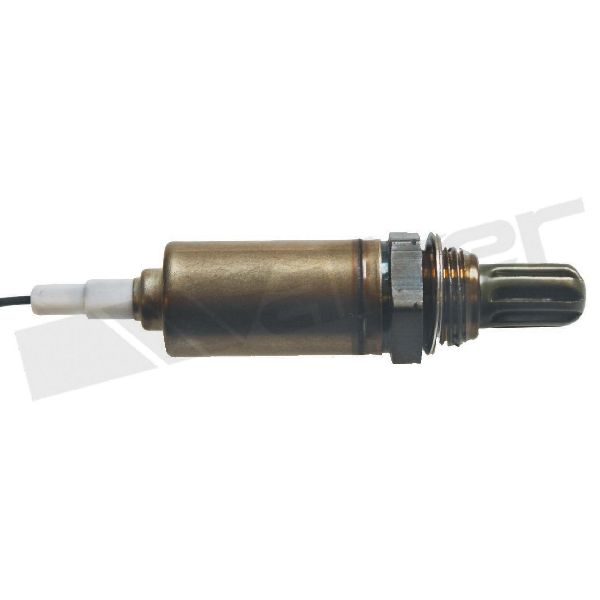
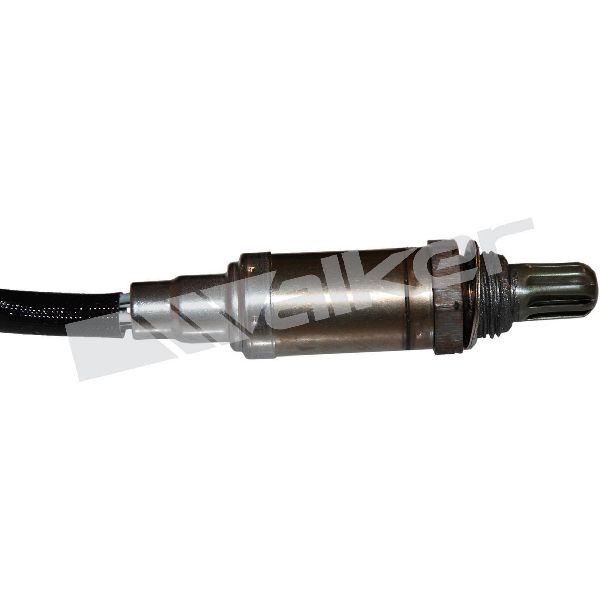
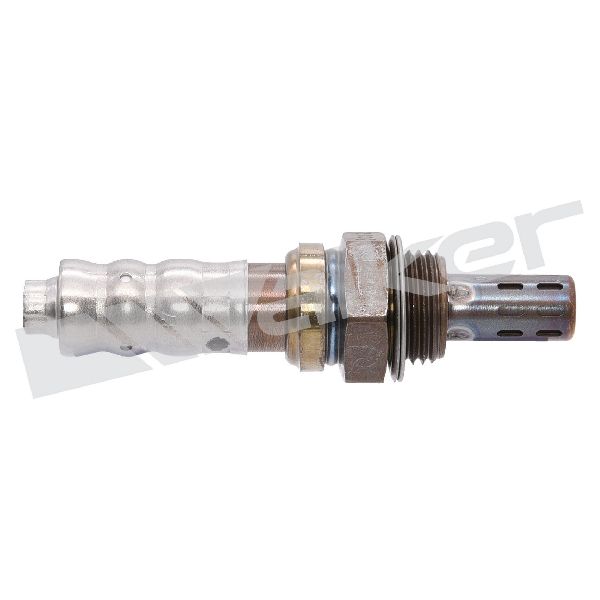
Standard/Budget Tier: Brands like Walker Products and DriveWire offer more budget-friendly options. These can be a good choice if cost is the primary concern, but they may not offer the same lifespan as top-tier brands.
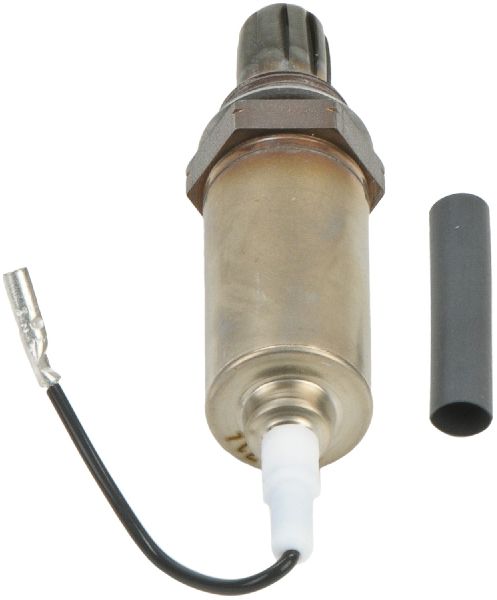
For this generation of Sentra, a direct-fit sensor is highly recommended over a universal sensor. Universal sensors require you to cut and splice wires, which can be a point of failure if not done perfectly.
Cost of Replacing a Nissan Sentra Oxygen Sensor
| Part/Service | Estimated Cost |
|---|---|
| New Aftermarket Oxygen Sensor | $33.50 - $127.49 |
| Shop Labor | $50 - $150 |
| Total Professional Replacement | $83.50 - $277.49 |
Costs are estimates and can vary based on your location and the specific sensor needed.
Frequently Asked Questions (FAQ)
How many oxygen sensors does my 1991-1999 Sentra have?
It depends on the year. 1991-1995 models (OBD-I) usually have one sensor before the catalytic converter. 1996-1999 models (OBD-II) have two sensors: one before the catalytic converter (upstream) and one after (downstream).
What is the difference between an upstream and downstream sensor?
The upstream (or Sensor 1) sensor is critical for engine performance, as it helps the computer adjust the air-fuel mixture. The downstream (or Sensor 2) sensor primarily monitors the catalytic converter to make sure it's working correctly.
Can I clean my oxygen sensor?
While some people attempt to clean O2 sensors, it is generally not recommended. The sensing elements are delicate and cleaning can provide a temporary fix at best or damage the sensor. Given the affordable cost of a new aftermarket sensor, replacement is the most reliable solution.
🎬 See how to perform a fast home test on your sensorWhat tools do I need for the replacement?
The most important tool is a special O2 sensor socket. This socket has a slot down the side for the sensor's wire to pass through. You will also likely need a ratchet wrench, possibly with an extension, and penetrating oil to help loosen a stubborn, rusted sensor.
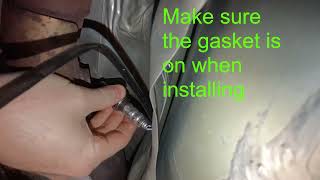
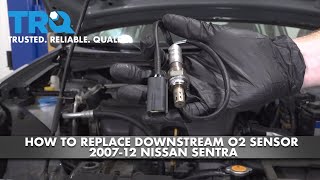
🎬 Watch this walkthrough on replacing a downstream O2 sensorWere there any recalls for the 1991-1999 Sentra oxygen sensor?
No. Searches of the National Highway Traffic Safety Administration (NHTSA) database did not find any recalls or technical service bulletins (TSBs) related to the oxygen sensor for the 1991-1999 Nissan Sentra model years.
Helpful Videos
![Bad O2 Sensor Symptoms Downstream & Upstream [Oxygen Sensor Failure and Causes] How to fix & Replace](https://img.youtube.com/vi/b-xxdBlikSA/mqdefault.jpg)
Technical Specifications
Number of Sensors: One (1991-1995 models), Two (1996-1999 models). Connector Type: Varies by year and location (upstream/downstream). Always verify fitment.
We Have This Part in Stock

The information in this article is provided for general reference and educational purposes only. Vehicle specifications, procedures, and part compatibility can vary by production date, trim level, and region. Always consult your vehicle's factory service manual and verify part numbers before purchasing or performing repairs. Safety-critical components such as airbags, seat belts, and braking systems should be installed by a qualified professional.
- Nissan Sentra: