

Choosing the Right Aftermarket Brake Pads for Your 1991-2000 BMW 318i
Stop wasting money on the wrong brake pads and find the perfect set for your E36 or E46 318i.
- For most owners, premium aftermarket brands like ATE, Textar, and Pagid offer the same quality as genuine BMW parts.
- If low brake dust is your top priority, choose a quality ceramic pad like Akebono.
- Always replace the brake pad wear sensor if the warning light on your dashboard has come on.
- Replacing rotors at the same time as pads is highly recommended for best performance and to avoid noise or vibration issues.
Signs Your Brake Pads Are Failing
Worn brake pads aren't just a maintenance issue; they're a critical safety problem. Your BMW has a built-in electronic wear sensor system to alert you. Typically located on the front left and rear right wheel, a small sensor is designed to wear down with the pad. When the pad material gets too thin, the sensor makes contact with the rotor, triggering a warning light on your dashboard. Don't ignore this light. While the system gives you some time to schedule a repair, waiting too long can lead to more expensive damage.
Choosing the Right Aftermarket Brake Pads for Your 318i
The term "aftermarket" covers a wide range of quality. For your BMW 318i, many aftermarket brands are the same companies that made the original parts for BMW. This means you can often get OEM (Original Equipment Manufacturer) quality without the dealership price tag. Pads for your 318i fall into three main categories:
1. OEM-Equivalent & Premium Brands
These pads are for owners who want to maintain the original feel and performance of their BMW. They offer a great balance of stopping power, low noise, and reasonable lifespan. Brands like ATE, Textar, Pagid, and Brembo are all original equipment suppliers to BMW. You can't go wrong with these choices for a daily driven 318i. Akebono is another premium option, offering ceramic pads known for producing very little brake dust, keeping your wheels much cleaner. 🎬 Watch a review of Akebono ceramic pads for BMWs. However, some drivers feel ceramic pads have a slightly less aggressive initial "bite" than the semi-metallic pads BMW originally used.
2. Performance Brands
If you enjoy spirited driving or participate in occasional track days, performance pads are a good upgrade. Brands like Hawk Performance and EBC Brakes offer compounds that provide significantly more stopping power and resistance to brake fade at high temperatures. The trade-off is often more brake dust and potentially more noise, especially when cold. For a car that is mostly street-driven, a "fast road" pad like the Hawk HPS is a popular choice that offers a noticeable performance boost over stock.
3. Daily Driver & Value Brands
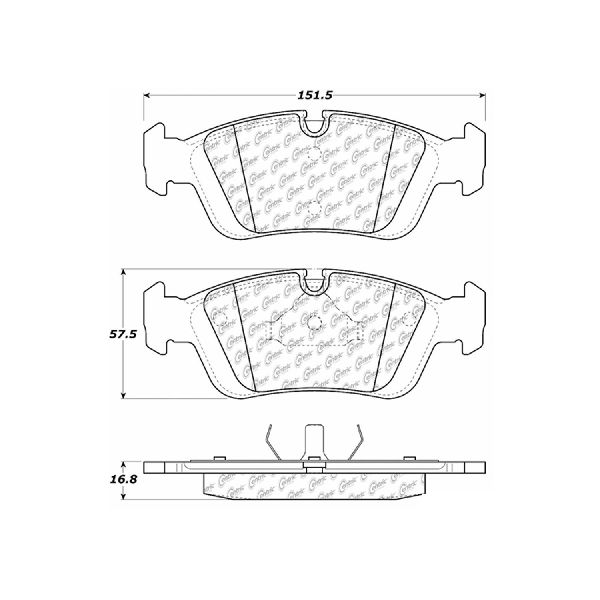
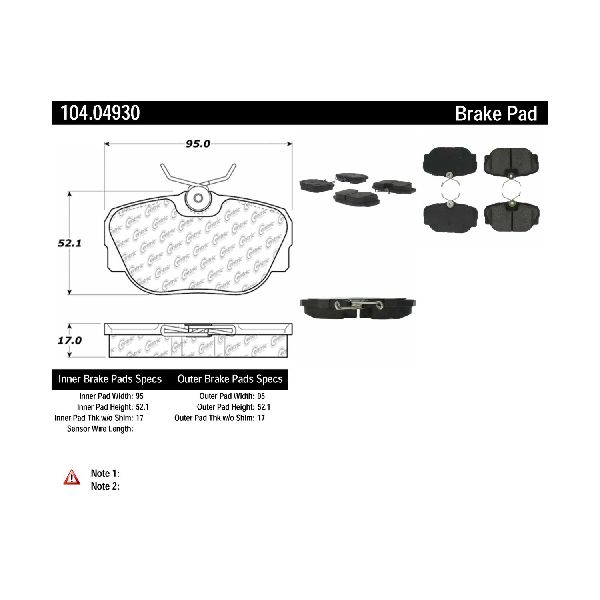
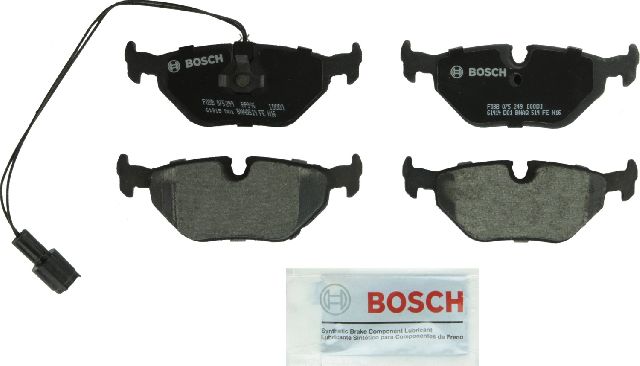
For those on a tighter budget, brands like Bosch, Centric, Raybestos, and Wagner provide reliable, safe brake pads that meet or exceed federal safety standards. While they may not offer the same refined feel or low-dust characteristics of premium brands, they are a solid and safe choice for normal commuting. Some forum users note that certain budget-friendly options may lack the initial bite of OEM pads.
| Tier | Brands | Best For | Pros | Cons |
|---|---|---|---|---|
| OEM-Equivalent / Premium | ATE, Textar, Pagid, Brembo, Akebono (Ceramic) | Daily driving, restoring original feel | Quiet operation, balanced performance, low dust (Akebono) | Higher cost than value brands, OEM pads can be dusty |
| Performance | Hawk Performance, EBC Brakes | Spirited driving, track use | Superior stopping power, high fade resistance | Can be noisy, produce more dust, may wear rotors faster |
| Daily Driver / Value | Bosch, Centric, Raybestos, Wagner | Commuting, budget-conscious repairs | Affordable, safe, widely available | May have less initial bite, more dust, or shorter life than premium pads |
Frequently Asked Questions
Do I have to replace my brake rotors with the pads?
It is highly recommended. While original BMW rotors can sometimes last for two sets of pads, installing new pads on worn or uneven rotors can cause noise, vibration, and reduced performance. For best results, always replace pads and rotors at the same time. This ensures the new pads have a perfectly flat, clean surface to bed into.
What is a brake pad wear sensor and do I need to replace it?
A brake pad wear sensor is a small electronic part attached to the inner brake pad on the front-left and rear-right wheels. When the pad wears down to its minimum thickness, the sensor contacts the rotor, breaks an electrical circuit, and triggers the brake warning light on your dash. Once the light is on, the sensor has been destroyed and MUST be replaced with a new one. You cannot reset the brake warning light without installing a new sensor.
What does "bedding-in" new brake pads mean?
Bedding-in is the process of transferring a thin, even layer of friction material from the new pads to the new rotors. This is crucial for optimal stopping power, preventing vibration, and ensuring a long service life. The process typically involves a series of controlled stops from moderate speeds (e.g., 10 stops from 60 mph down to 10 mph) without coming to a complete stop, followed by a cool-down period of normal driving. Always follow the specific procedure recommended by the pad manufacturer.
What's the difference between ceramic and semi-metallic pads?
Semi-metallic pads, which are common for German cars, offer excellent stopping power and heat dissipation but tend to create a lot of dark brake dust. Ceramic pads were developed to solve the dust and noise problem. They are very quiet, produce a light-colored dust that is far less noticeable, and offer consistent performance for daily driving. However, for aggressive performance driving, some semi-metallic compounds may offer better high-temperature fade resistance.
Helpful Videos
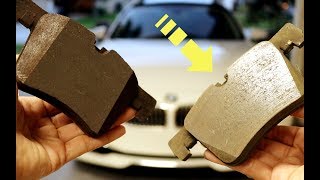
Technical Specifications
OEM Part Numbers: 34116761244 34111164498 34111165227 34216761239 34211164499
The 1991-2000 BMW 318i uses a single-piston floating caliper design. The system includes one brake pad wear sensor for the front axle (driver's side) and one for the rear axle (passenger's side). Replacement requires a 7mm hex (Allen) socket for the caliper guide pins. The guide pin torque specification is 30 Nm (22 ft-lb).
We Have This Part in Stock
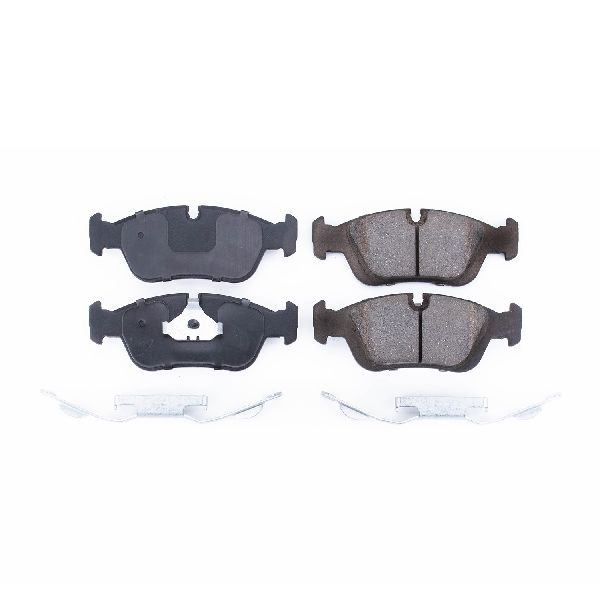
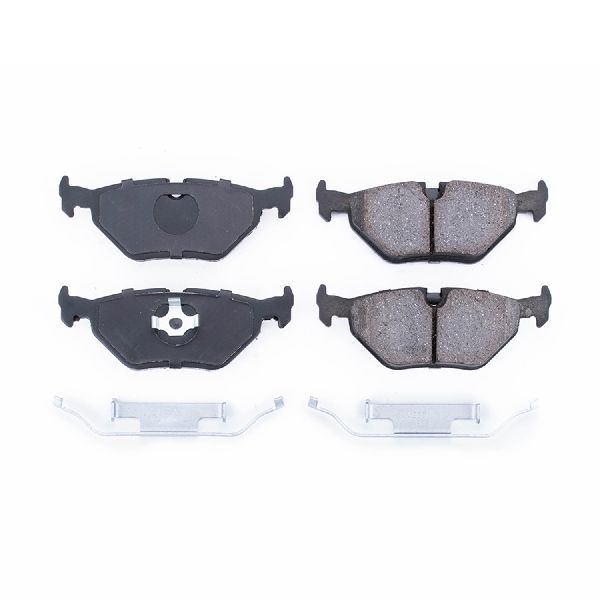
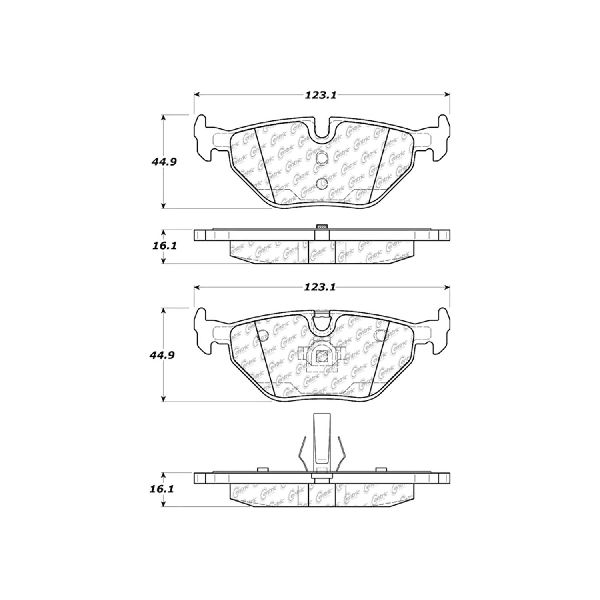

The information in this article is provided for general reference and educational purposes only. Vehicle specifications, procedures, and part compatibility can vary by production date, trim level, and region. Always consult your vehicle's factory service manual and verify part numbers before purchasing or performing repairs. Safety-critical components such as airbags, seat belts, and braking systems should be installed by a qualified professional.
- BMW 318i: