

Transmission Mount Guide for 1991-2002 Chevrolet C3500HD
Address clunks, bangs, and vibrations by understanding and replacing the transmission mount on your heavy-duty Chevy truck.
- A clunking noise when shifting and new vibrations are the most common symptoms of a failed mount.
- Driving with a bad mount can cause damage to other parts like engine mounts and U-joints.
- Aftermarket brands like Anchor and DEA are affordable but considered economy-grade; OEM is likely unavailable.
- This is a DIY-friendly repair for those with basic tools and a floor jack.
Symptoms of a Bad Transmission Mount
When a transmission mount wears out, the rubber cracks or separates, and it can no longer hold the transmission steady or absorb vibration. This leads to several common symptoms.
- Clunking or Banging Noises: This is the most common sign. You may hear a loud clunk or bang when you shift from Park into Drive or Reverse. It can also happen when you accelerate hard or let off the gas suddenly. This noise is the transmission itself moving and hitting other parts.
- Excessive Vibrations: You might feel new or worsening vibrations throughout the truck, especially at idle or when accelerating. This happens because the worn-out rubber can no longer absorb the normal vibrations from the drivetrain.
- Drivetrain Movement: In some cases, you can physically see the engine and transmission move more than they should. A helper can shift the truck from Drive to Reverse (with the brake held firmly) while you watch the transmission from a safe distance. Any large lurching or rocking motion points to a bad mount.
Don't Ignore the Signs
While you can still drive with a bad transmission mount, it's not a good idea for long. The constant movement puts extra stress on your engine mounts, driveshaft U-joints, and even transmission seals, which can lead to more expensive repairs down the road.
Choosing Your Aftermarket Replacement Mount
For a vehicle like the 1991-2002 C3500HD, finding an original GM part is difficult and often not cost-effective. The aftermarket is your most realistic option. The main brands available in the budget-friendly price range are Anchor and DEA.
It is important to be honest about quality. Forum discussions among mechanics and DIYers generally consider both Anchor and DEA to be standard, economy-grade replacement parts. Some users have reported these mounts failing sooner than the original parts or having a slightly less-than-perfect fit. However, for an older work truck, they serve as a functional and affordable solution to fix the immediate problem. There is no clear quality winner between the two; they are considered comparable.
Pro Tip: Check for Leaks First
Before installing your new mount, check for any oil or transmission fluid leaking onto the old one. Leaking fluids can soften and destroy the rubber, causing the mount to fail prematurely. If you have a leak, fix it before you replace the mount, or the new one will fail quickly too.
Cost of Replacing a C3500HD Transmission Mount
Replacing the transmission mount is a relatively inexpensive repair. The parts are affordable and the labor is straightforward for a professional mechanic.
| Item | Estimated Cost |
|---|---|
| New Aftermarket Mount | $10 - $65 |
| Shop Labor | $100 - $200 |
| Total Professional Replacement | $110 - $265 |
Frequently Asked Questions (FAQ)
Is this a difficult job to do myself?
For a person with basic mechanical skills and tools, this is a very doable DIY job. The process involves safely supporting the transmission with a floor jack and a block of wood, unbolting the crossmember and the old mount, and swapping in the new part. It typically takes 1-2 hours.
Are there any recalls or TSBs for this part?
No. Searches of the NHTSA database and technical service bulletins show no specific recalls or common failure patterns for the automatic transmission mount on the 1991-2002 Chevrolet C3500HD.
Will a bad transmission mount cause shifting problems?
In severe cases, yes. If the mount allows the transmission to sag, it can affect the shift linkage, potentially making it harder to shift gears. However, harsh shifting on its own is more likely related to other issues like a bad speed sensor or internal transmission problems.
Should I replace my engine mounts at the same time?
It's a good idea to inspect them. A failed transmission mount puts extra strain on the engine mounts, and vice-versa. If one has failed, the others may be worn as well. If your engine mounts are cracked, collapsed, or soaked in oil, replacing them all at once can save you labor time and prevent future problems.
Technical Specifications
OEM Part Numbers: 15591972 15978023
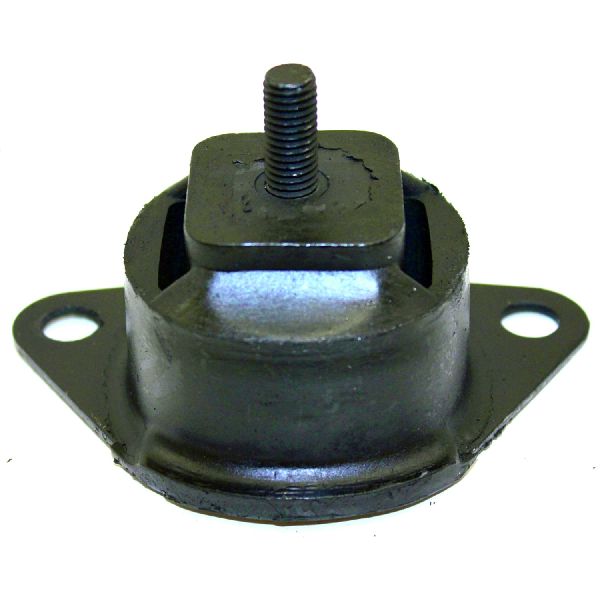
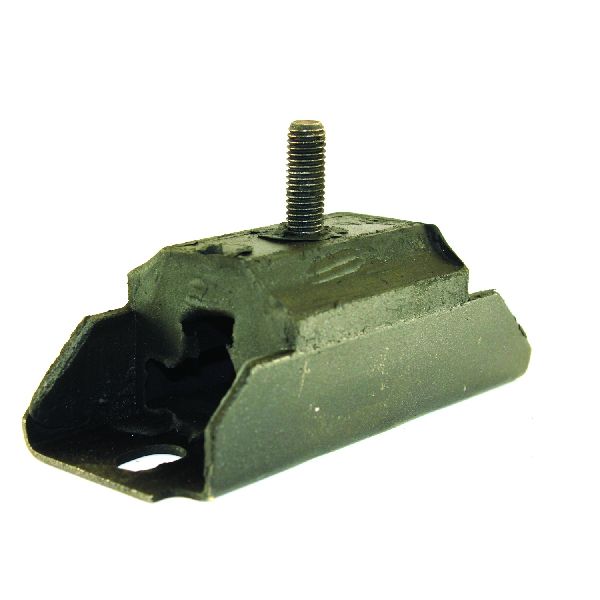
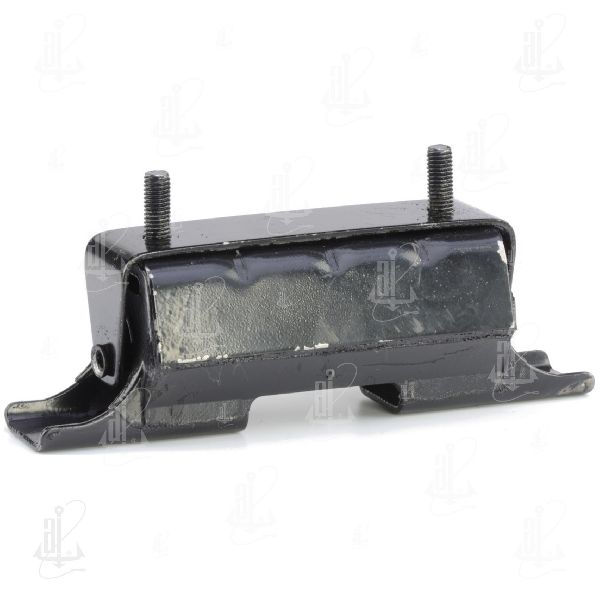
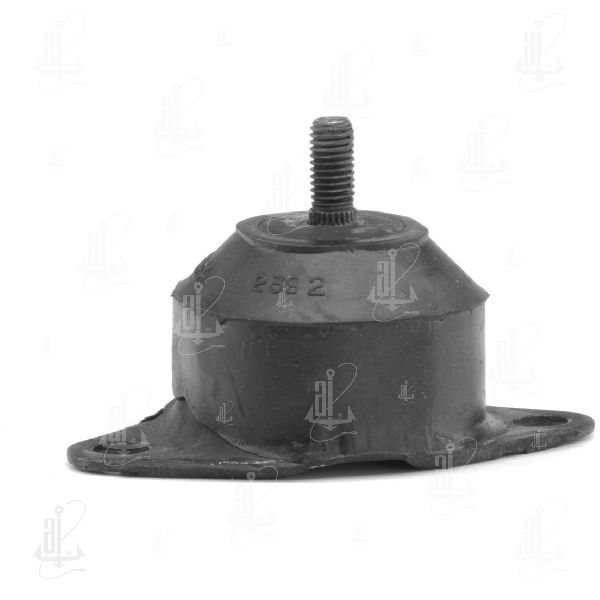
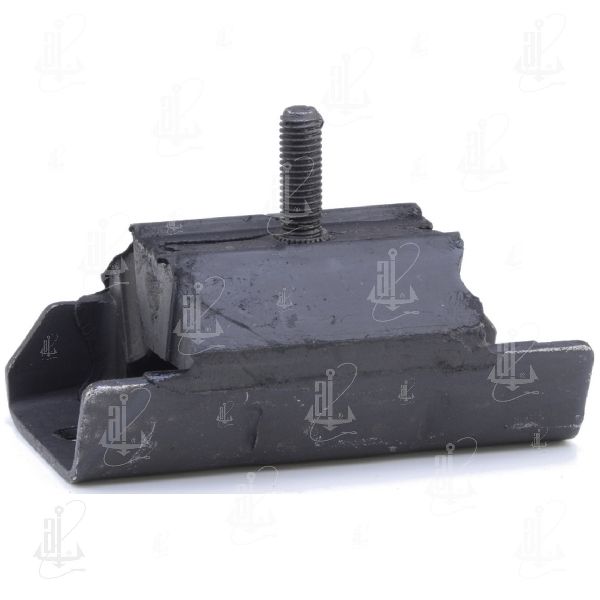
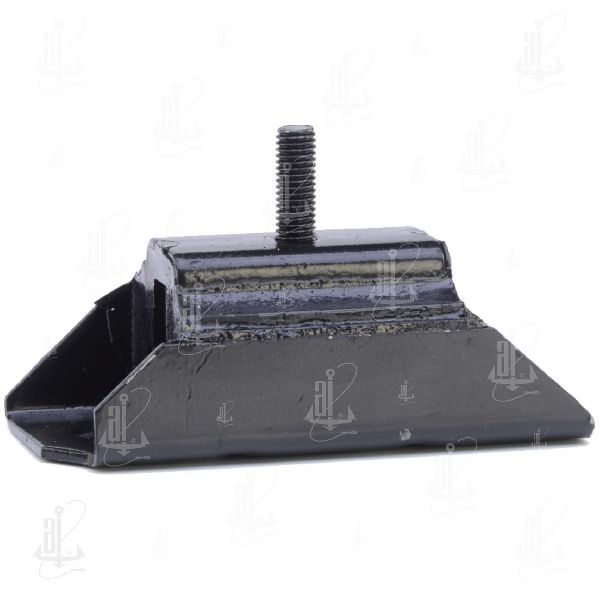
The mount is a solid rubber and steel construction designed to bolt to the transmission extension housing and the frame crossmember. It is typically a rectangular block with two studs on top and two bolt holes on the bottom, or a variation of this design depending on the specific year and 2WD/4WD configuration.
We Have This Part in Stock

The information in this article is provided for general reference and educational purposes only. Vehicle specifications, procedures, and part compatibility can vary by production date, trim level, and region. Always consult your vehicle's factory service manual and verify part numbers before purchasing or performing repairs. Safety-critical components such as airbags, seat belts, and braking systems should be installed by a qualified professional.
- Chevrolet C3500HD: