

Pontiac Firebird Ignition Control Module Guide (1991-2002)
Solving stalling, misfires, and no-start problems in your 1991-2002 Firebird starts here.
- First, confirm your engine. LS1 V8s (1998-2002) do NOT use a separate ICM; V6 and LT1 V8s do.
- The most common failure symptom is the engine stalling when hot and not restarting until it cools down.
- Always apply new thermal paste to the back of the ICM before installation to prevent premature failure from overheating.
- For reliability, choose a quality aftermarket brand like Delphi or Standard Ignition (SMP).
Understanding Your Firebird's Ignition System: A Tale of Two Engines

Before buying an Ignition Control Module (ICM), you must know which engine your 1991-2002 Firebird has. The ignition system changed significantly during this period.
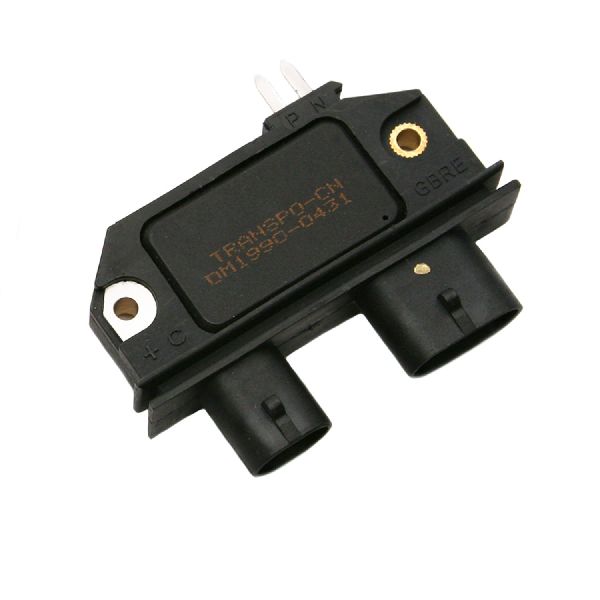
- V6 and 1991-1997 V8 (LT1) Engines: These models use a separate, distinct Ignition Control Module. It's a common failure point, especially on the LT1 V8, where it's mounted on the hot cylinder head. Heat is the number one enemy of these modules.
- 1998-2002 V8 (LS1) Engines: If you have an LS1, your car does not have a traditional, single Ignition Control Module. The job of the ICM is handled by the main computer (PCM) and the individual coil packs on each cylinder. If you have an LS1 and suspect an ignition problem, you should be looking at coil packs, spark plugs, or wiring, not a separate ICM.
LS1 Owners: Read This First!
Do not purchase a separate Ignition Control Module for a 1998-2002 V8 Firebird. Your engine does not use one. This guide primarily applies to V6 and 1991-1997 V8 models.
Common Symptoms of a Failing Ignition Module

A bad ICM can leave you stranded. The symptoms often get worse as the engine heats up. This is because heat increases electrical resistance inside the failing module. Look for these common signs:
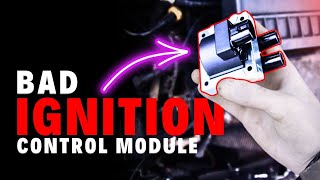
🎬 Watch: How to test for symptoms of a bad module- Engine stalls and won't restart: The most classic symptom is the engine dying once it's hot and refusing to start again until it has cooled down for several minutes.
- No-start condition: The engine cranks but never fires up because there is no spark.
- Engine misfires or runs rough: The engine may stumble, hesitate, or shake, especially under acceleration.
- Check Engine Light: An illuminated Check Engine Light may be triggered, with codes related to the ignition system or misfires (P0300-P0399 series).
- Sudden loss of power: The car may suddenly lose power while driving as the module cuts out.
Choosing the Right Aftermarket ICM

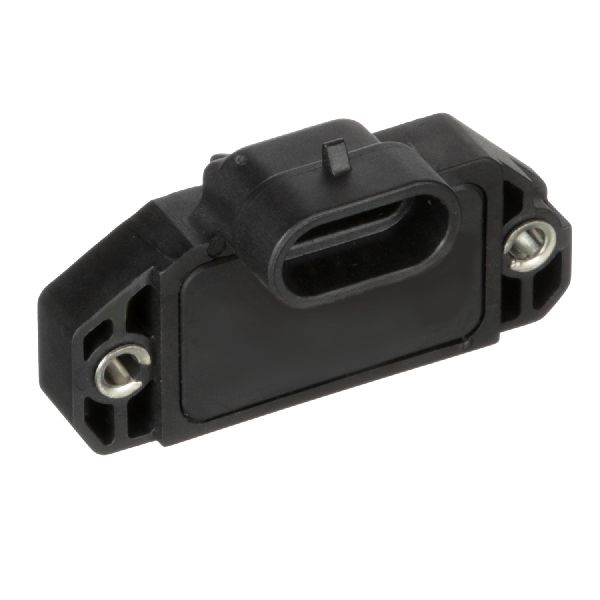
For V6 and LT1 Firebirds, replacing a faulty ICM is a common repair. While original AC Delco parts were the gold standard, quality aftermarket options provide excellent value. The key to longevity is proper installation and heat management.
Brand Tiers
- Premium (OEM-Quality): Delphi is a top choice. As a former part of General Motors, their components are often considered original equipment quality. They are a reliable option for a long-lasting repair.
- Trusted Aftermarket: Standard Ignition (Standard Motor Products or SMP) is a well-respected brand in the aftermarket. They often offer a dependable part that meets or exceeds original specifications.
- Standard/Economy: Brands like Holstein fall into this category. While more budget-friendly, their long-term reliability may not be as proven as Delphi or SMP. For a critical part like an ICM that can leave you stranded, investing in a premium or trusted brand is often worth the extra cost.
Pro Tip: Don't Forget Thermal Paste!
The single most important step during installation is applying a fresh layer of thermal paste (heat sink compound) to the metal back of the new module. This paste fills microscopic gaps and ensures heat transfers away from the module to its mounting bracket or heat sink. Skipping this step will cause the new module to overheat and fail very quickly.
Cost of a New Aftermarket Ignition Control Module
| Part Type | Typical Price Range |
|---|---|
| New Aftermarket (Your Part) | $79.96 - $284.24 |
| Shop Labor for Installation | $90 - $150 |
Prices are estimates and can vary based on location and specific vehicle requirements.
Frequently Asked Questions

Is there a recall on the Firebird ignition system?
While there were major GM recalls for ignition switches in other models around this time, these did not specifically target the Ignition Control Module on the 1991-2002 Firebird. The recalls concerned the key cylinder and switch, which could accidentally turn off the car. There are no known open recalls or TSBs for the ICM itself on these models.
Can I replace the ICM myself?
Yes, for most owners with basic tools, this is a very feasible DIY job. On V6 and LT1 engines, the module is usually easy to access. It is typically held on by two small bolts and has one or two electrical connectors. The entire job can often be done in under an hour.
Where is the ICM located on my Firebird?
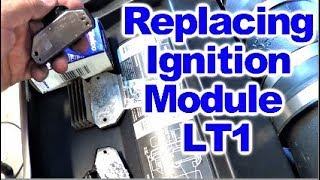
On 3.8L V6 models, the ICM is part of the coil pack assembly, located on a bracket at the front of the engine. On LT1 V8 models (1993-1997), it is mounted to a bracket on the driver's side cylinder head, near the ignition coil. 🎬 See this walkthrough for replacing an LT1 ignition module On earlier V8 and V6 models (1991-1992), it is typically located on or near the distributor.
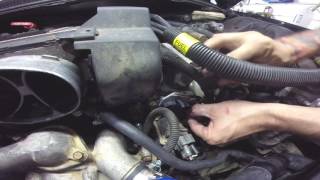
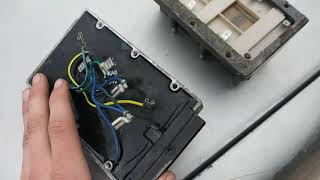
🎬 Watch: Step-by-step replacement for early V6 and V8 modelsDo I need to get my car's computer reprogrammed after replacement?
No. The Ignition Control Module is a plug-and-play component. No programming or computer relearning is required after installation.
Helpful Videos
Technical Specifications
OEM Part Numbers: 10469470 10475225 10494012 12617924 D1940A D1977A
Varies by engine type (V6, LT1 V8). The module is an electronic switch that controls ignition coil dwell and timing based on signals from the distributor or crankshaft sensor and the main computer (ECM/PCM).
We Have This Part in Stock


The information in this article is provided for general reference and educational purposes only. Vehicle specifications, procedures, and part compatibility can vary by production date, trim level, and region. Always consult your vehicle's factory service manual and verify part numbers before purchasing or performing repairs. Safety-critical components such as airbags, seat belts, and braking systems should be installed by a qualified professional.
- Pontiac Firebird:
- 🎬 Helpful Videos
- 🛍️ Shop This Part
- Understanding Your Firebird's Ignition System: A Tale of Two Engines
- LS1 Owners: Read This First!
- Common Symptoms of a Failing Ignition Module
- Choosing the Right Aftermarket ICM
- Brand Tiers
- Pro Tip: Don't Forget Thermal Paste!
- Cost of a New Aftermarket Ignition Control Module
- Frequently Asked Questions
- 🎟️ Get 5% Off