

Mazda MX-3 Accessory Drive Belt: A Guide for the 1992-1996 Models
Choosing the correct new aftermarket belts for your 1.6L or V6 engine is critical for keeping your MX-3 running right.
- You must confirm if your MX-3 has the 1.6L I4 or 1.8L V6 engine before ordering parts.
- If you have the 1.8L V6, always replace both accessory belts at the same time.
- A broken belt on a V6 model will cause the engine to overheat; do not drive if you suspect a failure.
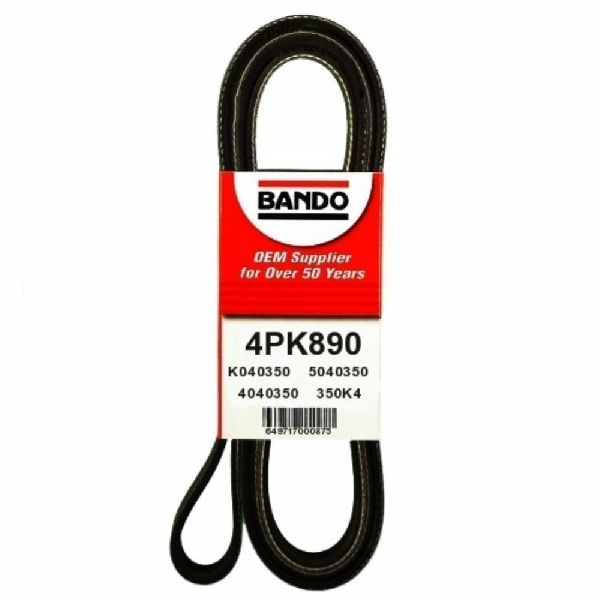
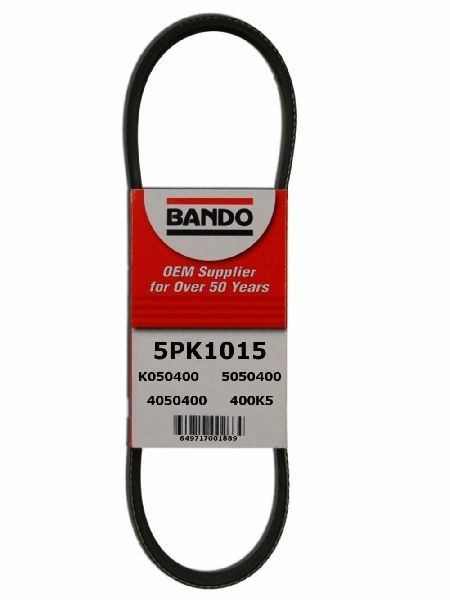
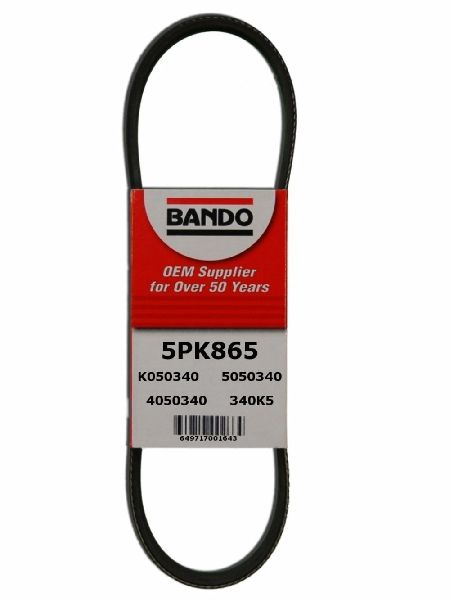
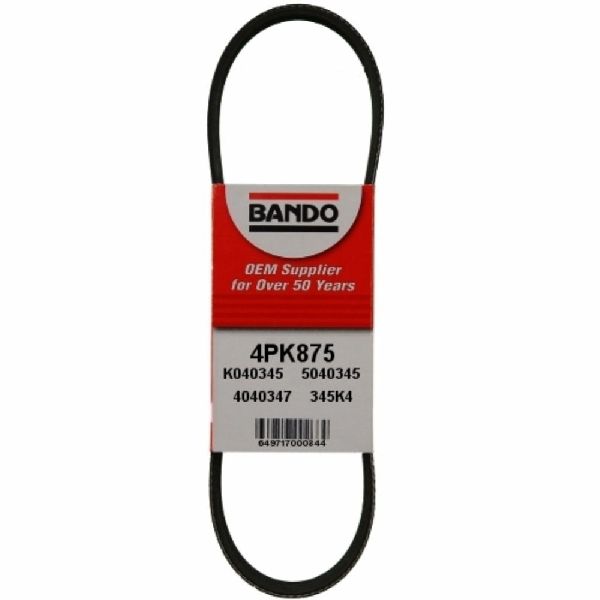
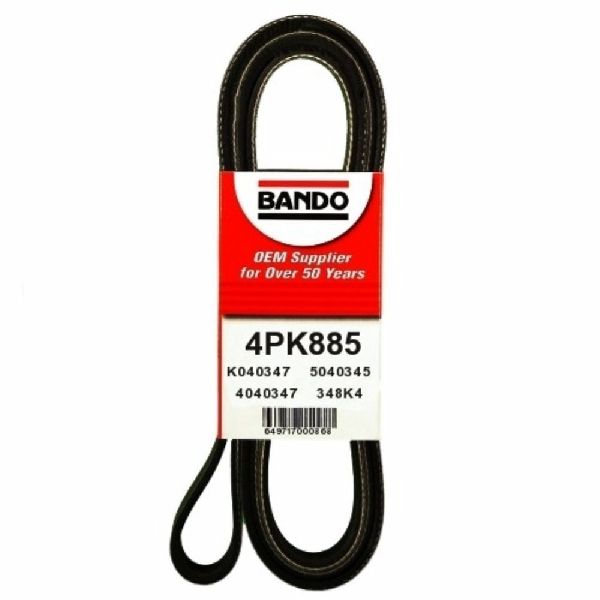
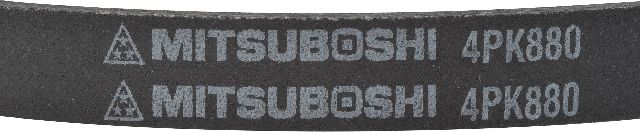
- High-quality aftermarket brands like Bando, Mitsuboshi, Continental, and Gates are excellent, reliable choices.
1.6L 4-Cylinder vs. 1.8L V6: A Critical Difference
Before buying any parts, you must know which engine is in your MX-3. This is the most common and costly mistake owners make. The belts for the two engines are not interchangeable.
- 1.6L Inline 4-Cylinder (I4): This engine uses one or two belts, depending on whether your car has power steering and air conditioning. You must verify your car's specific setup before ordering.
- 1.8L V6 (K8-DE): This engine always uses two separate accessory belts. One belt typically runs the alternator and A/C compressor, while the second runs the power steering pump and, most importantly, the water pump.
Symptoms of a Failing Accessory Drive Belt
A worn-out belt will almost always give you warning signs before it fails completely. Ignoring them can leave you stranded and risk engine damage, especially on V6 models. Listen and look for these clues:
- Squealing Noises: A high-pitched squeal or chirp, especially when you first start the engine, accelerate, or turn the steering wheel, is the most common sign of a worn, loose, or contaminated belt.
- Visible Damage: Inspect the belts. If you see multiple cracks, frayed edges, missing ribs, or a glazed, shiny surface, the belt is deteriorating and needs immediate replacement.
- Accessory Problems: If your headlights are dim, the battery warning light is on, or other electronics are acting up, it could mean the belt is slipping and not turning the alternator properly. Similarly, if your power steering becomes stiff or your A/C stops blowing cold, the belt is a likely culprit.
- Overheating Engine (1.8L V6): If you have the V6 and the temperature gauge starts to rise quickly, pull over immediately. The belt that drives your water pump may have failed, and continuing to drive can cause severe engine damage.
Choosing the Right Aftermarket Belt Brand
You do not need to buy an expensive OEM belt from a dealer to get reliable performance. Several high-quality aftermarket brands are well-regarded by mechanics and are known OEM suppliers for many Japanese automakers.
- OEM-Equivalent Brands (Bando, Mitsuboshi): Bando and Mitsuboshi are Japanese brands that are often the original equipment manufacturer for Mazda. Choosing either of these is essentially like buying the OEM part without the dealer markup. They are an excellent choice for fit and longevity.
- Top-Tier Aftermarket (Continental, Gates): Continental and Gates are globally recognized leaders in belt technology. They are known for quiet operation, durability, and precision fit, often meeting or exceeding OEM specifications. You can choose a belt from either of these brands with full confidence.
New Aftermarket Accessory Drive Belt Cost
| Part | Price Range (Per Belt) |
|---|---|
| New Aftermarket Accessory Drive Belt | $7.35 - $35.90 |
Note: The 1.8L V6 model requires two belts, so budget accordingly. Prices vary based on brand and the specific belt needed for your car's engine and A/C configuration.
Frequently Asked Questions (FAQ)
When should I replace the accessory belts?
There is no strict mileage interval. Belts on an older car like the MX-3 should be replaced based on condition rather than miles. Inspect them annually for cracks, fraying, or noise. A good rule of thumb is to start inspecting them yearly after 40,000 miles of use and plan for replacement if they show any signs of wear.
Why are there so many different belts listed for my car?
The 1992-1996 Mazda MX-3 was available with two completely different engines (1.6L I4 and 1.8L V6) and with or without air conditioning. Each combination requires a unique set of belts of specific lengths. You must use a lookup tool to verify the exact part numbers for your specific vehicle configuration.
Can I replace the accessory belts myself?
Yes, for a hobbyist with basic mechanic's tools, this is a very manageable DIY job. The process typically involves relieving tension on the belt tensioner, removing the old belt, and routing the new one correctly. You may need to remove the passenger-side front wheel and a plastic splash shield for better access. Always take a picture of the belt routing before removal.
Are there any recalls for the Mazda MX-3 drive belts?
No. Searches of the NHTSA database and other records show no safety recalls or technical service bulletins (TSBs) specifically related to the accessory drive belts for the 1992-1996 Mazda MX-3.
Technical Specifications
OEM Part Numbers: BPE7-15-909 B660-15-908 B66S-15-909J B6BF-18-381 KLG4-15-908 KF33-15-9079U ZZC3-18-381A
Belts are multi-rib (serpentine) style, made of EPDM rubber with polyester or aramid cords. The number of ribs and the overall length are specific to the engine (1.6L I4 or 1.8L V6) and accessory configuration (with or without A/C).
We Have This Part in Stock

The information in this article is provided for general reference and educational purposes only. Vehicle specifications, procedures, and part compatibility can vary by production date, trim level, and region. Always consult your vehicle's factory service manual and verify part numbers before purchasing or performing repairs. Safety-critical components such as airbags, seat belts, and braking systems should be installed by a qualified professional.
- Mazda MX-3: