

Choosing the Right Aftermarket Disc Brake Pads for Your 1992-1997 Chevrolet Impala
Get the right stopping power and avoid common issues with the best brake pads for your B-Body Impala.
- The 1994-1996 Impala SS shares brake parts with other GM B-Body cars like the Caprice, making parts easy to find.
- Choose pad material based on your driving style: quiet, low-dust ceramic for daily driving or high-friction semi-metallic for performance.
- For daily drivers, brands like Wagner, Raybestos, and Bosch offer excellent, quiet performance.
- For performance use, Hawk, EBC, and Powerstop are popular choices but may produce more dust and noise.
Understanding Your Impala's Brakes
While the prompt covers the 1992-1997 model years, it's important to know that the Impala SS model specifically ran from 1994 to 1996. These cars are part of the larger General Motors B-Body family, which also includes the Chevrolet Caprice, Buick Roadmaster, and Cadillac Fleetwood from the same era. Many brake components are shared across these models, which is good news for parts availability. The Impala SS benefited from the police package brake system, which included four-wheel disc brakes for improved stopping power over non-police models.
Symptoms of Worn Brake Pads
Knowing when to replace your brake pads is key to avoiding more expensive repairs. Here are the common signs that your Impala's pads are nearing the end of their life:
- Squealing or Screeching: This high-pitched noise is often the first sign. It's caused by a small metal indicator built into the brake pad that makes noise when the pad material gets too thin.
- Grinding Noise: If you hear a deep, metallic grinding, stop driving immediately. This means the pad material is completely gone, and the metal backing plate is grinding against the rotor, causing severe damage.
- Vibration or Pulsing: A pulsing or vibrating feeling in the brake pedal or steering wheel when you brake can indicate unevenly worn pads or warped rotors.
- Longer Stopping Distances: If your car takes longer to stop than it used to, your pads may be too worn to create enough friction.
- Brake Warning Light: While not all B-Bodies have this for pads, if a brake-related light comes on, it's time for an immediate inspection.
Known Issue: ABS Pump Failure
Some owners of 1996 models have reported failures of the Bosch ABS pump, which can lead to a loss of braking power. While this is not a brake pad issue, it's a critical safety component to be aware of. If you experience a sudden increase in brake pedal travel or loss of braking assist, have your ABS system inspected by a qualified mechanic.
Choosing the Right Aftermarket Brake Pads
Aftermarket pads offer a wide range of options that can meet or exceed original equipment (OEM) quality. The best choice for your Impala depends on your driving style and budget.
Material Types: Ceramic vs. Semi-Metallic
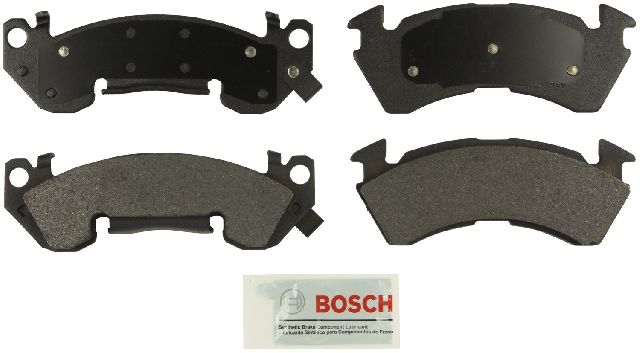
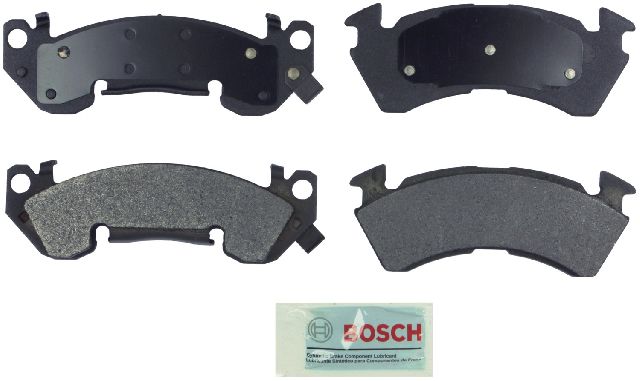
- Ceramic Pads: These are a great choice for most daily drivers. They are known for being quiet, producing less dust than other types, and offering consistent performance. Brands like Bosch, Wagner ThermoQuiet, and some Centric and Raybestos lines offer excellent ceramic options.
- Semi-Metallic Pads: If you prioritize performance and stopping power, semi-metallic pads are a better fit. They offer excellent bite and heat dissipation, making them suitable for spirited driving or heavy-duty use. However, they tend to be noisier and create more dark-colored dust. Performance brands like Hawk and EBC specialize in these compounds.
For a daily-driven Impala SS where low dust and quiet operation are priorities, a quality ceramic pad like Hawk Ceramic, Bosch Blue, or Wagner QS is an excellent choice. For drivers who enjoy more aggressive driving or occasional track use, a performance pad like Hawk HPS will provide superior stopping power, at the cost of more dust and potential noise.
Brand Tiers for Your Impala
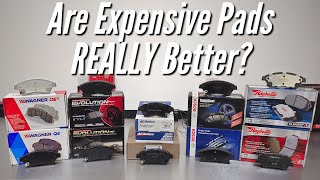
Not all brands are created equal. 🎬 Watch this comparison test of popular brake pad brands. Here’s a general breakdown of the brands available:
- Performance Tier (High-Friction, Spirited Use):
- Hawk Performance: Highly regarded for stopping power (HPS, HP+ series), but can be dusty. Their ceramic pads offer a good balance of performance and low dust for street use.
- EBC Brakes: Offers a range of compounds from daily driver (Greenstuff) to aggressive street/track (Yellowstuff, Redstuff). They are a popular choice for performance upgrades.
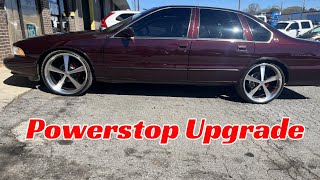
- Powerstop: Often sold in kits with drilled and slotted rotors, Powerstop offers a convenient all-in-one performance upgrade. 🎬 See a Powerstop brake kit installation on a 1996 Impala.
- Daily Driver Tier (OEM-Equivalent, Quiet Operation):
- Wagner Brakes: Wagner's ThermoQuiet and OEX lines are well-regarded for being quiet, low-dust, and reliable for everyday use.
- Raybestos: The Element3 and Professional Grade lines are considered quality OEM replacements that offer good performance without the noise and dust of aggressive pads.
- Bosch: Bosch QuietCast and Blue series pads are known for their quality, quiet operation, and low dust.
- Centric/Bendix: These brands provide solid, reliable brake pads that are a good value for daily driving needs.
| Part Type | Estimated Cost Range |
|---|---|
| New Aftermarket Brake Pad Set | $25 - $75 |
| New OEM (GM/ACDelco) Brake Pad Set | $60 - $120 |
| Shop Labor for Installation (Front or Rear) | $100 - $200 |
Frequently Asked Questions (FAQ)
Do I need to replace my rotors with my pads?
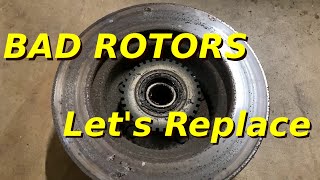
Not always, but it's highly recommended to inspect them. Your rotors must be smooth and meet the minimum thickness specification (found in a service manual). If they are warped (causing vibration), have deep grooves, or are too thin, they must be replaced. Installing new pads on bad rotors will cause noise, poor performance, and rapid pad wear. Many owners choose to replace pads and rotors together for best results.
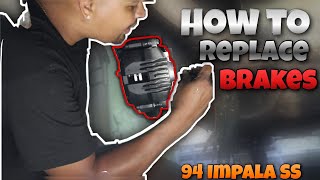
🎬 Learn how to replace rotors and paint calipers on your SS.What is the difference between 1994-1995 and 1996 Impala SS models?
While the brakes are largely the same, the 1996 model featured a floor-mounted shifter and an analog gauge cluster, whereas the 1994-1995 models had a column shifter and a digital dash. These differences do not affect brake pad selection.
Are there any recalls for the 1992-1997 Impala brakes?
Searches on the National Highway Traffic Safety Administration (NHTSA) database did not show any specific brake pad recalls for the 1994-1996 Chevrolet Impala. Later model year Impalas had recalls for different issues, but these do not apply to the B-Body generation.
What does "bedding in" new brake pads mean?
Brake pad "bedding-in" or "break-in" is the process of transferring a thin, even layer of friction material from the new pads onto the brake rotor. This is crucial for optimal performance, preventing noise, and ensuring a long service life. The process typically involves a series of controlled stops from moderate speeds, as outlined by the pad manufacturer.
Helpful Videos
Technical Specifications
OEM Part Numbers: 17D614M
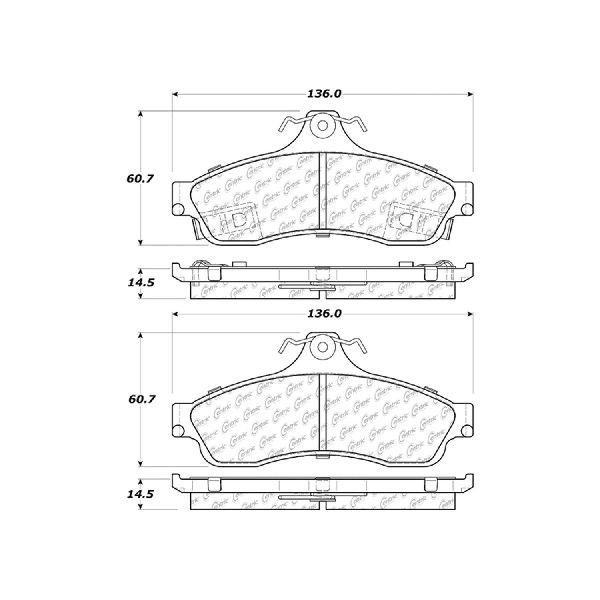
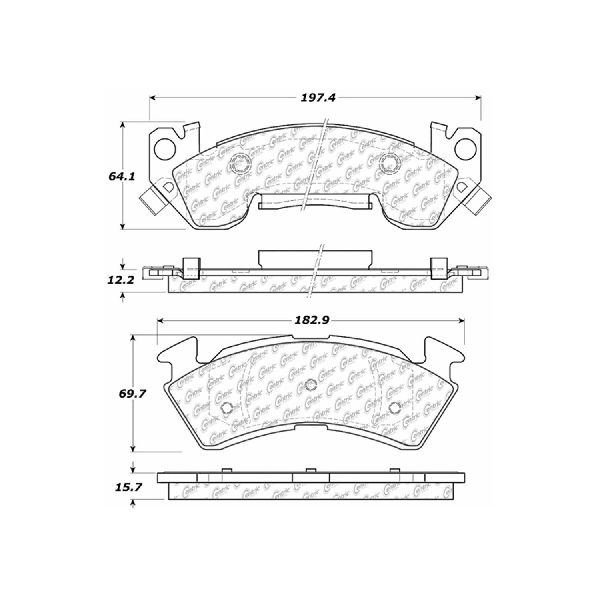
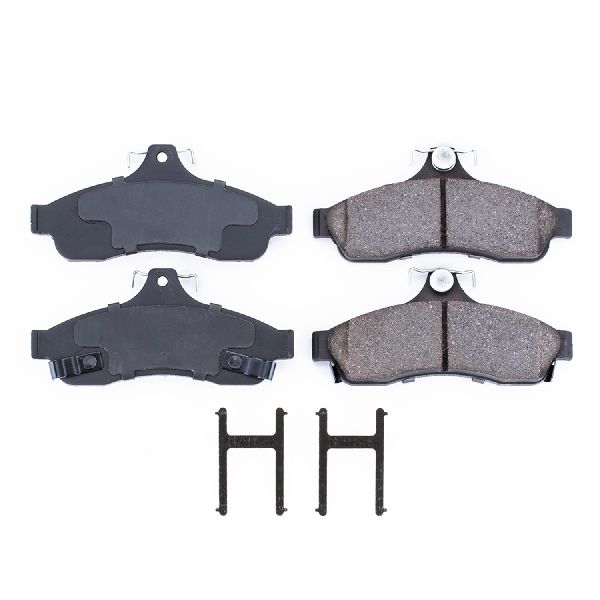
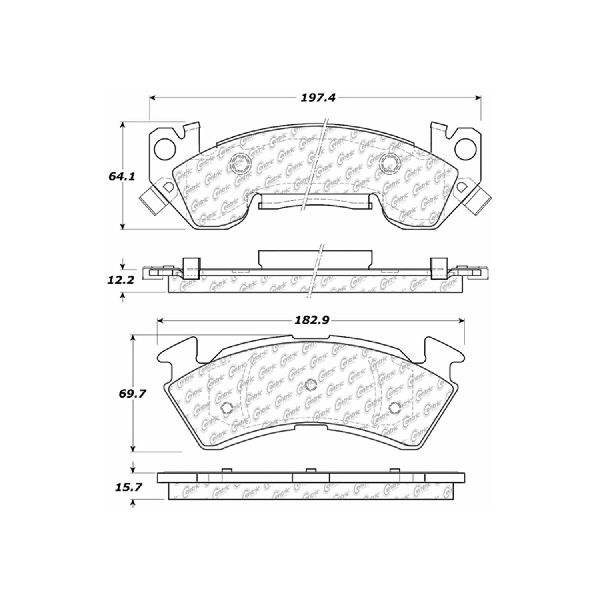
The 1994-1996 Impala SS features a four-wheel disc brake system. The front uses single-piston calipers, while the rear uses aluminum PBR calipers. The rear brake design also incorporates a drum-in-hat style parking brake. Aftermarket pads are available in ceramic and semi-metallic compounds.
We Have This Part in Stock

The information in this article is provided for general reference and educational purposes only. Vehicle specifications, procedures, and part compatibility can vary by production date, trim level, and region. Always consult your vehicle's factory service manual and verify part numbers before purchasing or performing repairs. Safety-critical components such as airbags, seat belts, and braking systems should be installed by a qualified professional.
- Chevrolet Impala: