

Throttle Position Sensor (TPS) Replacement for the 1992-1997 Chevrolet Impala
Fix hesitation, stalling, and poor shifting by understanding your Impala's throttle position sensor.
- A failing TPS on a 1992-1997 Impala often causes both engine hesitation and automatic transmission shifting problems.
- Replacement is a simple, beginner-friendly DIY task that requires basic tools and less than 30 minutes.
- For best results and longevity, choose a premium aftermarket brand like Delphi or Standard Ignition, as they have a strong reputation for quality.
- Common trouble codes associated with a bad TPS include P0121, P0122, and P0123.
Symptoms of a Failing Throttle Position Sensor
When the TPS on your Impala starts to fail, it can cause a variety of noticeable problems. Because the sensor's signal is used for both fuel delivery and transmission control, the symptoms can be widespread. You might notice one or more of the following issues:
- Check Engine Light: A failing TPS will often trigger the Check Engine Light and store diagnostic trouble codes like P0121, P0122, or P0123.
- Poor Acceleration and Hesitation: The car may hesitate or stumble when you press the gas pedal. It might feel sluggish and unresponsive.
- Erratic Shifting: The 4L60E automatic transmission relies on the TPS signal to shift gears correctly. A bad sensor can cause harsh, delayed, or unpredictable shifting.
- Rough or High Idle: Your Impala might idle roughly, or the idle speed may surge up and down on its own.
- Engine Stalling: In some cases, a complete loss of the TPS signal can cause the engine to stall, especially when coming to a stop.
"Dead Spots" Are Common
These sensors can develop "dead spots" where the signal drops out at a specific throttle angle. This can cause symptoms to appear and disappear as you press and release the gas pedal, making diagnosis tricky.
Choosing the Right Aftermarket TPS
For a critical sensor like the TPS, quality matters. While OEM parts from GM (often made by AC Delco) are an option, several aftermarket brands offer reliable alternatives. Here's a breakdown of the available brands:
| Brand Tier | Brands | Assessment |
|---|---|---|
| OEM / Premium Aftermarket | Delphi, NGK, Standard Ignition | Delphi is a highly respected brand and was an original equipment manufacturer for GM, making their parts a top choice for fit and reliability. Standard Ignition (SMP) and NGK are also well-regarded in the industry for producing quality sensors that meet or exceed OEM specifications. These are your best bet for long-term reliability. |
| Performance | FAST | FAST (Fuel Air Spark Technology) is a performance-oriented brand. Their sensors are built for high-performance applications and may be a good choice for modified vehicles, but could be overkill for a stock Impala. |
| Standard / Value | Walker Products, True Tech, Replacement | These brands offer a more budget-friendly option. While they can be a good value, their longevity and consistency may not match the premium brands. They are a viable choice for a quick repair or if budget is the primary concern. |
Pro Tip: Check for TSBs
While no specific recalls exist for the 1992-1997 Impala's TPS, GM has issued Technical Service Bulletins (TSBs) for similar issues on other models. For example, TSB 12-06-04-003A addresses DTC P2135 (Throttle Position Sensor Correlation) on later model Impalas, indicating that sensor issues are a known problem area for GM.
Frequently Asked Questions (FAQ)
Can I clean my Impala's TPS?
No. The Throttle Position Sensor is a sealed electronic component. Attempting to clean it is ineffective and can damage it. If the sensor is faulty, it must be replaced. You can, however, clean the throttle body itself, which can sometimes resolve idle issues.
Is replacing the TPS a difficult job?
No, this is a very straightforward DIY job for most owners. The sensor is located on the side of the throttle body and is typically held in place by two T20 or T25 Torx screws. The job usually takes less than 30 minutes.
Do I need to calibrate or reset the new TPS?
For the 1992-1997 Impala, a specific calibration procedure is generally not required after installing a new TPS. The engine computer (PCM) will learn the new sensor's voltage range. It is good practice to disconnect the battery during the replacement to reset the computer, which will force it to relearn the idle and TPS values upon restart.
What is the difference between the Impala SS and Caprice TPS?
The 1994-1996 Impala SS used the 5.7L LT1 V8 engine. The Chevrolet Caprice from the same era could have the LT1 or a smaller 4.3L L99 V8. The Throttle Position Sensor is generally the same for both engines as they share the same B-Body platform and core architecture, but it is always critical to verify the part number for your specific vehicle and engine.
Technical Specifications
OEM Part Numbers: 17106680 17087655 17083333 213-894
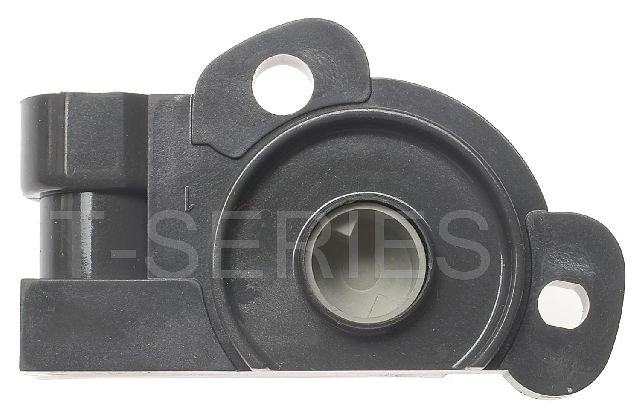
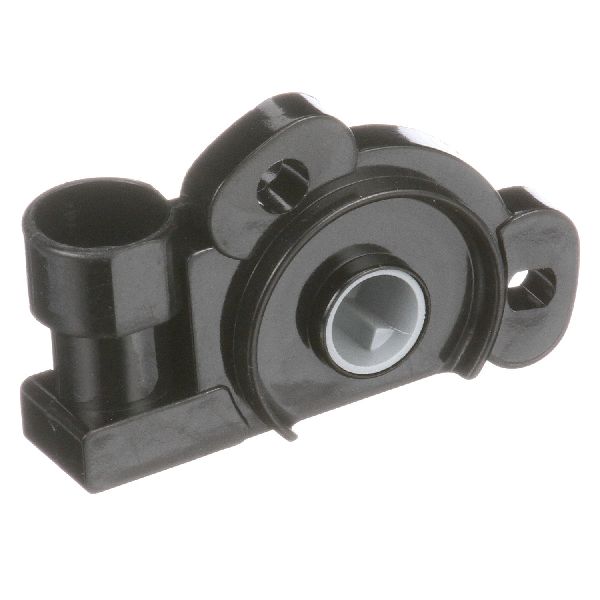
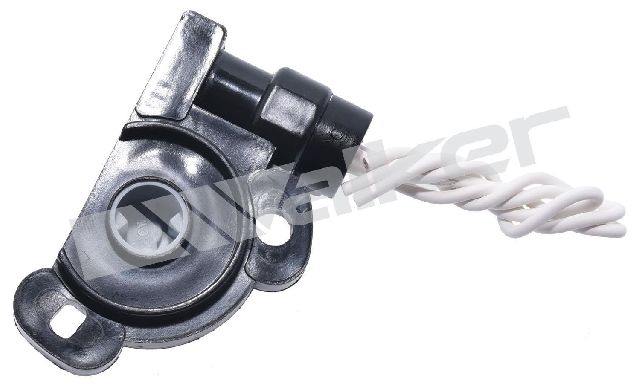
The TPS for this vehicle is a 3-terminal sensor with a rectangular female connector. It functions as a potentiometer, sending a variable voltage signal to the engine computer based on the rotation of the throttle blade shaft.
We Have This Part in Stock


The information in this article is provided for general reference and educational purposes only. Vehicle specifications, procedures, and part compatibility can vary by production date, trim level, and region. Always consult your vehicle's factory service manual and verify part numbers before purchasing or performing repairs. Safety-critical components such as airbags, seat belts, and braking systems should be installed by a qualified professional.
- Chevrolet Impala: