

Engine Coolant Thermostat Guide for the 1992-1998 BMW 325i (E36)
Keep your E36's engine temperature in check by understanding how to choose and replace your thermostat.
- The entire E36 cooling system is a known weak point; proactive replacement is key.
- Strongly consider upgrading the failure-prone plastic thermostat housing to an aluminum version for long-term reliability.
- A thermostat can fail stuck open (engine runs too cold) or stuck closed (engine overheats); overheating is an emergency.
- While replacing the thermostat, it's best to also replace the housing, seals, and perform a coolant flush.
The E36 Cooling System's Weak Link
The cooling system is a well-known weak point on the E36 platform, including the 1992-1998 325i. After decades of heat cycles, plastic components become brittle and are prone to failure. While the water pump is a primary concern, the thermostat and its plastic housing are also common failure points that can lead to coolant leaks and overheating. Proactive replacement is often recommended over waiting for a failure that could cause severe engine damage, like a warped cylinder head.
Critical Point: The Plastic Housing
The original thermostat housing on the E36 325i is made of plastic, which is notorious for cracking and leaking over time. Many owners and mechanics strongly recommend upgrading to an aluminum thermostat housing during replacement to prevent future failures. This is one of the most important upgrades you can make to improve the reliability of your E36's cooling system.
Symptoms of a Failing Thermostat
A bad thermostat can fail in two ways: stuck open or stuck closed. Each has distinct symptoms.
- Stuck Open: Coolant flows constantly, preventing the engine from reaching its proper operating temperature. Symptoms include the temperature gauge staying in the blue or taking a very long time to warm up, poor fuel economy, and a heater that blows lukewarm or cold air. This is the less dangerous failure mode but can cause increased engine wear over time.
- Stuck Closed: Coolant is blocked from reaching the radiator, causing the engine to overheat quickly. This is a critical failure. Symptoms include the temperature gauge rapidly moving into the red, steam from under the hood, and potential check engine lights. If you see these signs, pull over immediately to prevent engine damage.
- Coolant Leaks: You may also notice coolant leaking from the thermostat housing area, which can be a sign of a cracked housing or a failed gasket.
Choosing the Right Aftermarket Thermostat
Not all aftermarket parts are created equal. For a critical component like the thermostat, it's wise to choose a reputable brand. The brands available in our inventory can be grouped into tiers based on community feedback and OEM supplier status.
| Brand Tier | Brands | Notes |
|---|---|---|
| OEM / OE Supplier | Behr, Wahler | Behr and Wahler are often the original equipment manufacturers for BMW. Choosing these brands is the closest you can get to a genuine part without the dealer price tag. They are widely trusted for reliability. |
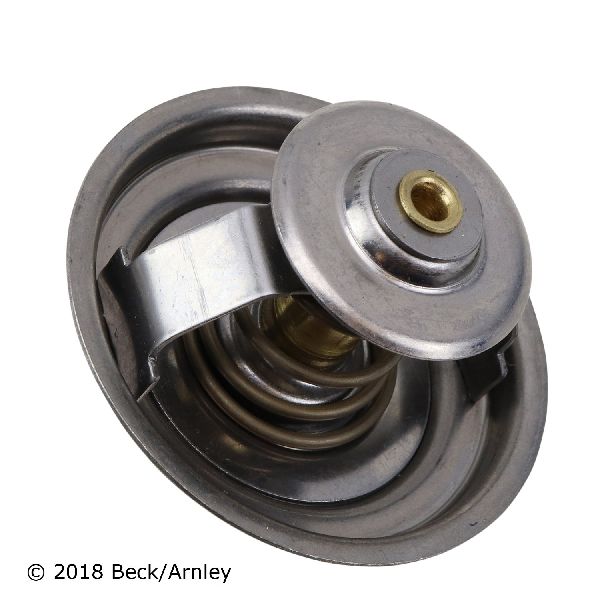
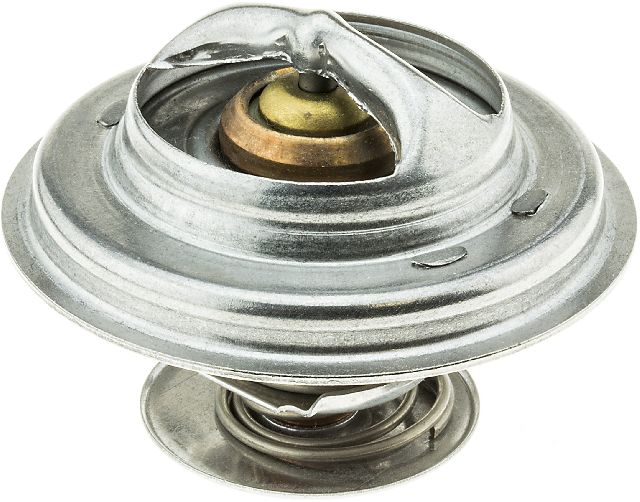
| High-Quality Aftermarket | Beck Arnley, Gates, CRP | These are reputable aftermarket brands known for producing quality parts. Gates is a major name in cooling system components. Beck Arnley often sources parts from OE suppliers. These are generally considered reliable choices. |
| Standard Aftermarket | Motorad, Facet, Vemo | These brands offer a more budget-friendly option. While some users report success with brands like Motorad, others advise against them for critical parts, citing potential for premature failure. Consider these if budget is the primary concern, but understand the potential trade-off in longevity. |
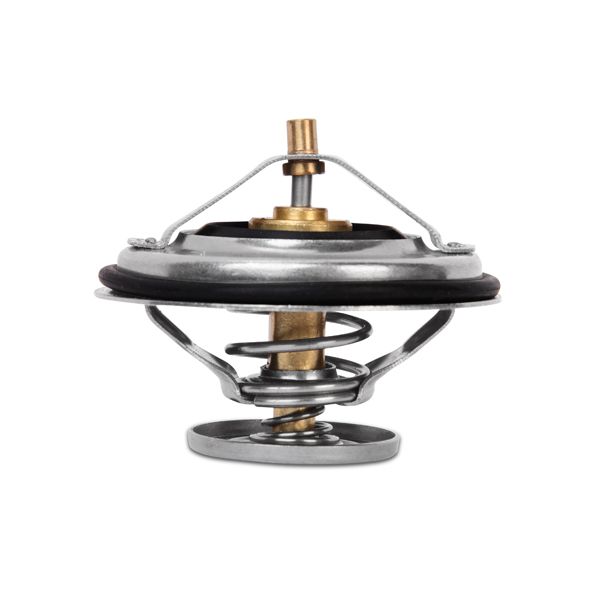
| Performance | Mishimoto | Mishimoto is known for performance-oriented cooling products. They may offer lower-temperature thermostats or more robust housings, which can be beneficial for modified or track-driven cars, but are not typically necessary for a stock daily driver. |
Pro Tip: Replace as a Kit
When replacing the thermostat, it's best practice to also replace the plastic housing (preferably with an aluminum one), the O-ring seal, and the housing gasket. It's also the perfect time to perform a coolant flush and inspect the water pump and hoses, as the entire cooling system is a known vulnerability on the E36.
Frequently Asked Questions
What temperature thermostat should I use for my 325i?
For a stock 1992-1998 BMW 325i, you should use the OEM specified temperature, which is typically 88°C or 92°C. Using a lower temperature thermostat is generally not recommended for a daily driven car as it can affect fuel economy and engine efficiency.
Is replacing the thermostat a DIY job?
Yes, for someone with basic mechanical skills and tools, this is a very feasible DIY project. It requires draining the coolant, removing the engine fan and shroud for access, and then unbolting the housing. The most difficult part can be removing the viscous fan clutch without a special tool, though it can often be done with a sharp tap from a hammer on a large wrench. Proper bleeding of the cooling system after the job is critical to avoid air pockets.
Should I upgrade to an aluminum thermostat housing?
Absolutely. The stock plastic housing is a common failure point that is known to crack and leak. Upgrading to a metal housing is a highly recommended and popular modification for E36 owners to improve long-term reliability.
Do I need to replace my coolant when I replace the thermostat?
Yes. You will have to drain a significant amount of coolant to perform the replacement, so it is the perfect time to flush the system and refill with fresh, BMW-approved coolant mixed 50/50 with distilled water. This helps protect the entire cooling system from corrosion.
Technical Specifications
OEM Part Numbers: 11537511580 11531721002 11531733803 11531466174
Standard opening temperatures are 88°C or 92°C. The thermostat is located in a housing on the front of the cylinder head, connected to the upper and lower radiator hoses.
We Have This Part in Stock


The information in this article is provided for general reference and educational purposes only. Vehicle specifications, procedures, and part compatibility can vary by production date, trim level, and region. Always consult your vehicle's factory service manual and verify part numbers before purchasing or performing repairs. Safety-critical components such as airbags, seat belts, and braking systems should be installed by a qualified professional.
- BMW 325i: