

A Guide to Replacing the Parking Brake Cable on a 1992-1998 GMC Yukon
Don't let a snapped or seized parking brake cable leave your Yukon rolling; here's what you need to know.
- The most common failures are snapping, stretching, or seizing from rust.
- Always verify the specific cable you need (front, rear left, rear right) as they are different.
- Replacing rear cables in pairs is recommended for balanced braking.
- Aftermarket brands like Dorman and Raybestos are affordable options, with Raybestos often having a slight edge in perceived quality for brake parts.
Is Your Parking Brake Unreliable?
On the 1992-1998 GMT400 platform, which includes your GMC Yukon, the parking brake system is tough but not invincible. After decades of exposure to road salt, water, and grime, the original steel cables are prone to failure. The most common issues are rust causing the cable to seize inside its protective sheathing, or the cable simply stretching or snapping over time. You might also find that the plastic connector at the release handle has become brittle and broken.
Symptoms of a Failing Parking Brake Cable
- Spongy or Loose Pedal: The parking brake pedal feels too easy to press down or goes all the way to the floor with little resistance. This often means a cable has stretched or snapped.
- Vehicle Rolls When Parked: The most obvious sign. If you engage the parking brake and the truck still moves, the system is not working. This is a major safety risk, especially on hills.
- Brake Won't Release: If a cable is rusted or seized, the parking brake might get stuck in the engaged position. You might notice a dragging feeling or a burning smell from the rear brakes while driving.
- Visible Damage: A quick look under the truck might reveal a cable that is frayed, rusted through, or hanging loose.
Choosing the Right Aftermarket Cable: OEM vs. Aftermarket
For an older truck like the '92-'98 Yukon, finding original GM parts can be difficult and expensive. Luckily, aftermarket brands offer a good alternative. The key difference often comes down to exact fit and material quality.
- OEM (Original Equipment Manufacturer): Made by GM or their supplier. Guarantees a perfect fit. However, they are often the most expensive option and may be discontinued.
- Aftermarket (Dorman, Raybestos): These parts are designed to be direct replacements. Quality can be very good, but sometimes there are small differences in length or bracket design that can make installation tricky.
Brand Quality
Both Dorman and Raybestos are well-known aftermarket brands. For a simple component like a brake cable, both are generally considered acceptable for daily use. However, many professional mechanics and experienced DIYers lean towards Raybestos for brake system components, citing more consistent quality. Some users have reported fitment issues with Dorman parts in the past, though they remain a popular and widely available option.
Estimated Costs for Parking Brake Cable Replacement
The total cost will depend on which cables you need (front, intermediate, or rear) and whether you do the work yourself.
| Part | Estimated Cost |
|---|---|
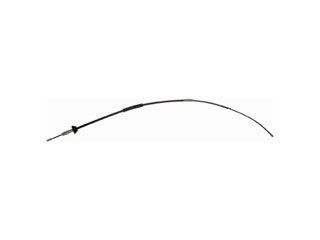
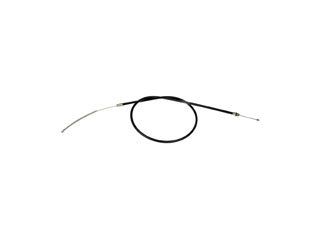
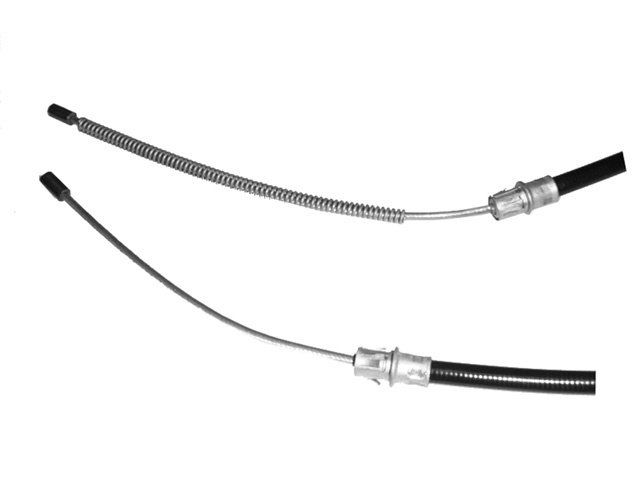
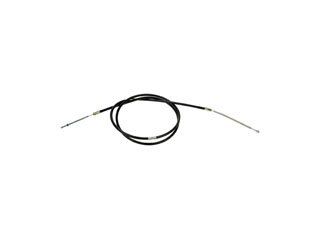
| New Aftermarket Cable (Dorman, Raybestos) | $23.45 - $55.28 (per cable) |
| Shop Labor | $120 - $250 |
| Total Estimated Cost (Shop) | $145 - $305+ |
Common Ordering Mistake
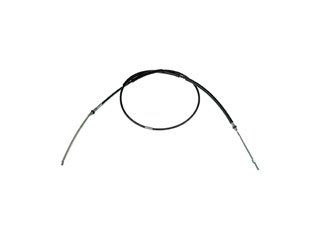
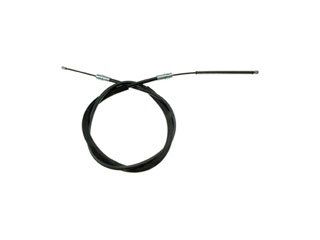
The 1992-1998 GMC Yukon has multiple parking brake cables (front, intermediate, left rear, right rear). They are not interchangeable. Always verify the exact cable you need before ordering. Check if you have a 2-door or 4-door model, as this can affect cable length. It's often a good idea to replace the cables in pairs (both rear cables, for example) to ensure even operation.
Frequently Asked Questions (FAQ)
Can I replace just one of the cables?
Yes, you can replace only the broken cable. However, if one has failed due to age and rust, the others are likely in similar condition. For best performance and to avoid doing the job twice, it's recommended to replace the rear cables as a pair. If the front cable has snapped, inspect the others closely for wear.
Is this a difficult job to do at home?
For a moderately experienced DIYer, this is a manageable job. It requires safely lifting and supporting the vehicle on jack stands. The main challenges are often dealing with rust on the old cable connections and routing the new cables correctly. Basic hand tools like wrenches, sockets, and pliers are needed.
Do I need to adjust the new cable?
Yes. After installation, the system needs to be adjusted. There is typically an adjuster nut on the equalizer, where the front cable meets the two rear cables. The goal is to tighten it enough so the parking brake holds the vehicle firmly after a few clicks of the pedal, but not so tight that the brakes drag when released.
Were there any recalls for the parking brake cable on the 1992-1998 Yukon?
No, a search of the NHTSA database shows no specific recalls for the parking brake *cables* on this generation of GMC Yukon. There was a recall for some 1998 models where the parking brake might not hold, but the fix involved servicing the brake shoes, not replacing the cables.
Technical Specifications
OEM Part Numbers: 15735529 (Front) 15021201 (Rear Left) 15023388 (Rear Right)
The system consists of a front cable from the pedal assembly, an equalizer to split the force, and two separate cables for the left and right rear wheels. Cables are made of plastic-coated steel to resist corrosion.
We Have This Part in Stock

The information in this article is provided for general reference and educational purposes only. Vehicle specifications, procedures, and part compatibility can vary by production date, trim level, and region. Always consult your vehicle's factory service manual and verify part numbers before purchasing or performing repairs. Safety-critical components such as airbags, seat belts, and braking systems should be installed by a qualified professional.
- GMC Yukon: