

Oldsmobile Achieva 1992-1998 Engine Crankshaft Position Sensor: A Complete Guide
Solving stalling, no-start, and rough running issues in your 1992-1998 Oldsmobile Achieva.
- Sudden stalling and no-start conditions are the most critical symptoms of a failing crank sensor.
- You MUST match the new sensor to your specific engine (2.3L, 2.4L, 3.1L, or 3.3L) as they are not interchangeable.
- For maximum reliability, choose OEM-quality brands like Delphi or ACDelco, as Delphi was a likely original supplier for GM.
- Before replacing the sensor, inspect the wiring for damage and, on 4-cylinder models, be aware that a cracked flexplate can mimic sensor failure.
Is Your Oldsmobile Achieva Stalling or Refusing to Start?
A failing crankshaft position sensor is a common reason for frustrating engine problems in the 1992-1998 Oldsmobile Achieva. When this sensor starts to go bad, it can leave you stranded without warning. The signals it sends to the engine computer become weak or erratic, disrupting the engine's timing. This can cause the engine to crank but not start, stall while you're driving, or run very poorly.
Vehicle-Specific Issue: 1998 Ignition Switch Recall
For 1998 Oldsmobile Achieva models, be aware of a safety recall (NHTSA Campaign ID: 04V090000) for the ignition switch. Holding the key in the "start" position for too long could cause the switch to overheat, melt, and potentially cause a fire, even with the engine off. While unrelated to the crank sensor itself, it's a critical safety issue for your vehicle. You can check with a dealership or on the NHTSA website to see if the recall work was performed on your car.
Pro Tip for 2.3L & 2.4L Engines: Check the Flexplate
If you have a 4-cylinder engine with an automatic transmission and hear a loud knocking noise, it might not be your engine. These models are known to develop cracks in the flexplate (the part connecting the engine to the transmission). In some cases, a damaged flexplate can interfere with the crankshaft position sensor's readings, leading you to believe the sensor is bad when it isn't. It's worth inspecting the flexplate for cracks if you're diagnosing a crank sensor code.
Choosing the Right Aftermarket Crank Sensor
With an older car like the Achieva, you don't need to pay dealership prices for a quality part. However, not all aftermarket sensors are created equal. They generally fall into three tiers.
Tier 1: OEM-Quality Brands
- Delphi: Delphi was part of GM and the original equipment manufacturer for many parts on your Achieva. Choosing a Delphi sensor is the closest you can get to the original part's quality and fit.
- ACDelco: As GM's official parts brand, ACDelco is a trusted choice. Often, the part inside an ACDelco box is made by Delphi or another original supplier.
Tier 2: Reputable Aftermarket Brands
- NGK (also known as NTK): A top name in ignition parts and sensors, known for high-quality engineering.
- Standard Motor Products (SMP): A long-standing, reliable brand in the aftermarket that offers a good balance of quality and price.
- Hitachi & Hella: Both are well-respected global manufacturers with a reputation for producing reliable electronic components.
Tier 3: Economy Brands
- Dorman, Spectra, Walker, Holstein, etc.: These brands offer a budget-friendly solution. For a vehicle of this age, they can be a practical choice to get the car running without a large investment. However, quality can sometimes be inconsistent compared to premium brands. They are best seen as a standard replacement option.
| Item | Estimated Cost |
|---|---|
| New Aftermarket Part | $16.43 - $114.95 |
| Shop Labor | $100 - $250 |
| Total Estimated Cost | $116 - $365 |
Frequently Asked Questions (FAQ)
Can I replace the crankshaft position sensor myself?
For an experienced DIY mechanic, yes. However, the difficulty varies by engine. On the 3.1L V6, the sensor is located on the side of the engine block, but it is often tucked behind the harmonic balancer. This may require a special puller tool to remove the balancer for access. On the 4-cylinder engines, access can sometimes be easier, but the location can still be tight. Always disconnect the battery before starting work.
Where is the crankshaft position sensor located?
The location depends on your engine. On the 3.1L and 3.3L V6 engines, it is typically on the front of the engine block, behind the main crankshaft pulley (harmonic balancer). On the 2.3L Quad 4 and 2.4L Twin Cam engines, it is usually located on the front of the engine, reading teeth on or behind the harmonic balancer.
What is the most common mistake when ordering this part?
The biggest mistake is ordering a sensor for the wrong engine. The 1992-1998 Achieva came with multiple 4-cylinder (2.3L, 2.4L) and V6 (3.1L, 3.3L) engines. The crankshaft sensors are not interchangeable between them. Always use your vehicle's full specifications (year, model, and engine size) to guarantee you get the correct part.
Do I need to do a "relearn" procedure after replacement?
For 1996 and newer models with OBD-II diagnostics, a "crankshaft variation relearn" or "CASE relearn" is recommended. This procedure, done with a capable scan tool, allows the engine computer to learn the exact position of the new sensor for optimal timing and to prevent a check engine light. For pre-1996 models, this is generally not required.
Technical Specifications
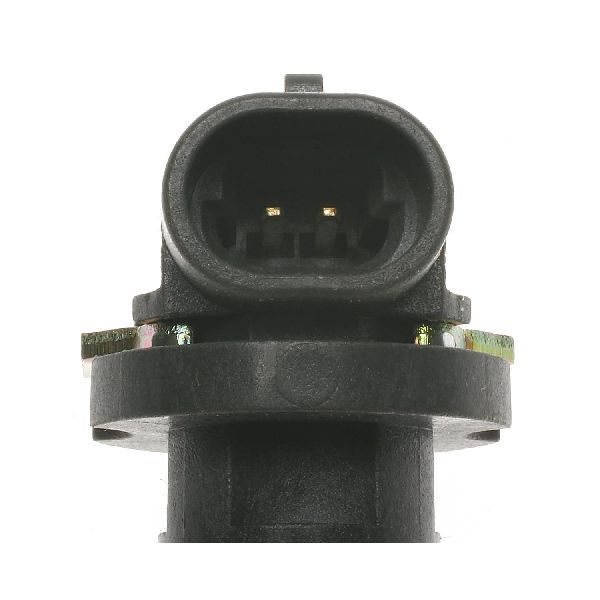
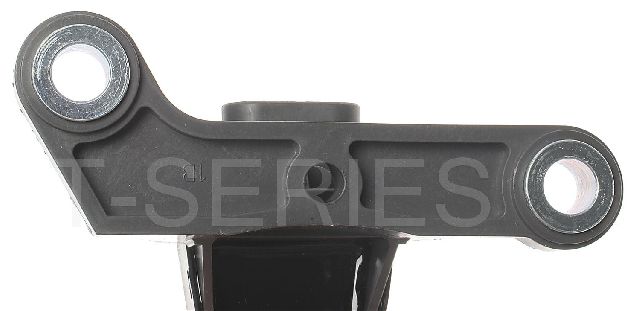
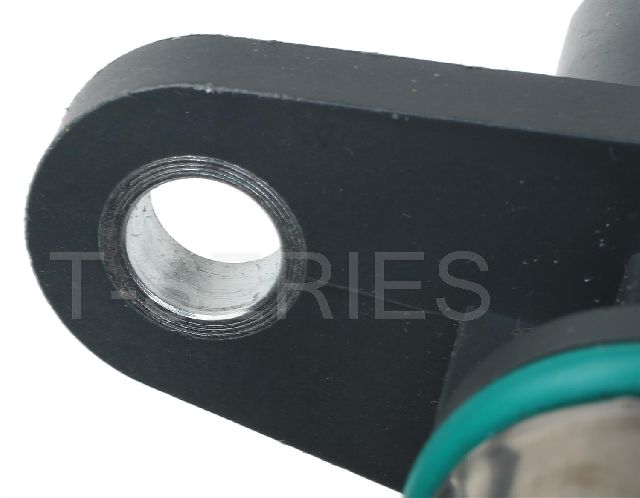
Compatibility is determined by the specific engine in your Achieva. The main engines are the 2.3L Quad 4 (1992-1995), 2.4L Twin Cam (1996-1998), 3.3L V6 (1992-1993), and 3.1L V6 (1994-1998). The sensor's design, mounting, and electrical connector are different between engine families. Always verify the part fits your exact engine before purchasing.
We Have This Part in Stock


The information in this article is provided for general reference and educational purposes only. Vehicle specifications, procedures, and part compatibility can vary by production date, trim level, and region. Always consult your vehicle's factory service manual and verify part numbers before purchasing or performing repairs. Safety-critical components such as airbags, seat belts, and braking systems should be installed by a qualified professional.
- Oldsmobile Achieva:
- 🛍️ Shop This Part
- Is Your Oldsmobile Achieva Stalling or Refusing to Start?
- Vehicle-Specific Issue: 1998 Ignition Switch Recall
- Pro Tip for 2.3L & 2.4L Engines: Check the Flexplate
- Choosing the Right Aftermarket Crank Sensor
- Tier 1: OEM-Quality Brands
- Tier 2: Reputable Aftermarket Brands
- Tier 3: Economy Brands
- Frequently Asked Questions (FAQ)
- 🎟️ Get 5% Off