

Guide to Replacing Disc Brake Calipers on a 1992-1999 Buick LeSabre
Keep your LeSabre stopping safely and smoothly by understanding its brake calipers.
- Sticking or seized calipers are the most common failure mode for the 1992-1999 LeSabre, leading to pulling, uneven pad wear, and overheating.
- Always replace calipers in pairs (both fronts or both rears) to ensure balanced braking.
- When replacing a caliper, it is critical to also bleed the brake system with fresh DOT 3 fluid to remove air.
- High-quality aftermarket brands like ACDelco and Raybestos offer excellent performance, often at a better price than OEM parts.
Signs of a Failing Brake Caliper
A bad brake caliper on your LeSabre isn't just an inconvenience; it's a serious safety issue. The most common problem is a seized or sticking caliper. This can be caused by corrosion from age and moisture, or from old brake fluid. The caliper slide pins can get stuck, or the piston itself can seize inside the caliper bore. Look for these symptoms:
- Vehicle Pulling: Your car pulls to one side when you're driving or, more noticeably, when you apply the brakes. A stuck caliper can cause a constant drag on one wheel.
- Uneven Brake Pad Wear: When you inspect your brake pads, the pad on one side of the rotor is much more worn than the other. This is a classic sign of seized caliper slide pins.
- Burning Smell: A strong, acrid burning smell from a wheel well after driving indicates a caliper is stuck and causing the brake pad to constantly drag on the rotor, generating extreme heat. You might even see smoke.
- Brake Fluid Leaks: Puddles of fluid (that looks like light oil) near the inside of your wheel can mean a caliper's piston seal has failed.
- Spongy or Soft Brake Pedal: If a caliper is leaking, you may lose hydraulic pressure, causing the pedal to feel soft or go closer to the floor.
Heat is a Major Warning Sign
If you suspect a caliper is sticking, be extremely careful. A dragging brake can get hot enough to damage the rotor, wheel bearing, and even start a fire. After a drive (where you haven't used the brakes heavily), cautiously feel for heat radiating from the wheel. A wheel that is significantly hotter than the others likely has a stuck caliper.
Choosing the Right Aftermarket Caliper
For a 1992-1999 Buick LeSabre, you don't need to pay dealership prices for a quality caliper. The aftermarket offers excellent options that meet or exceed original specifications. Aftermarket parts are generally categorized as new or remanufactured.
- New Calipers: These are made with 100% new components and require no "core charge" or returning your old part. Brands like Raybestos and Dynamic Friction specialize in new calipers.
- Remanufactured Calipers: These are original equipment (OE) caliper cores that have been disassembled, cleaned, inspected, and rebuilt with new seals, boots, and hardware. Brands like Cardone and BBB Industries are well-known for remanufactured parts. For many vehicles, remanufactured calipers are a cost-effective and reliable choice.
Brand Tiers for Your LeSabre
Here’s an honest breakdown of the available brands:
- Premium Quality (Best): ACDelco is GM's own parts division, and their Professional (now called Gold) line offers high-quality parts that are often considered the benchmark. Raybestos is another top-tier brand, particularly their Element3 line of new calipers, which are known for excellent coatings that resist rust. Some sources suggest that certain ACDelco Professional calipers are actually made by Raybestos.
- Standard Quality (Better): Cardone (specifically their "Select" new parts) and Dynamic Friction offer a good balance of quality and price. They are reliable replacements for a daily-driven LeSabre. Cardone is also a massive producer of remanufactured calipers, which are a solid budget-friendly choice. Powerstop is known for full brake kits and performance parts, but their individual calipers are also a dependable option.
- Economy (Good): Brands like BBB Industries focus heavily on remanufactured calipers and provide a functional, low-cost replacement. While perfectly safe, they may not have the premium coatings or finish of the higher-tier brands.
Pro Tip: Replace in Pairs
It is highly recommended to replace brake calipers in pairs (both front calipers or both rear calipers at the same time). This ensures even braking performance and prevents the car from pulling to one side. Since the other caliper has the same age and wear, it's likely not far from failing anyway.
Common Ordering Mistakes & Installation Notes
The 1992-1999 LeSabre brake system is straightforward, but be mindful of these points:
- Check for Included Brackets: Many replacement calipers come "loaded" with the mounting bracket and new hardware. Some are sold "unloaded" (caliper only). Ensure you get what you need. For this generation LeSabre, it's often best to get the caliper with the bracket.
- Brake Fluid: Your LeSabre uses DOT 3 brake fluid. Never use any other type of fluid or allow grease or oil to contaminate the brake fluid.
- Bleeding the Brakes: After replacing a caliper, you MUST bleed the brake system to remove air bubbles. Air in the lines will cause a spongy pedal and unsafe braking. The typical bleeding sequence starts with the wheel farthest from the master cylinder (usually the rear passenger side).
- Brake Hoses: While you're replacing the caliper, inspect the flexible rubber brake hose that connects to it. If it's cracked, bulging, or looks worn out, replace it now. A failing hose can collapse internally and cause the caliper to stick.
Frequently Asked Questions (FAQ)
Do I need special tools to replace my LeSabre's calipers?
The job requires a good socket set, wrenches (including a flare nut wrench for the brake line), a C-clamp to compress the piston (if needed), and a tool to remove the caliper slide pins, which is a 3/8 inch Allen wrench for many of these models. You will also need a clear hose and bottle for bleeding the brakes. A torque wrench is highly recommended for tightening bolts to the correct specification.
Should I buy new or remanufactured calipers?
For the LeSabre, both are good options. New calipers from a brand like Raybestos offer peace of mind with all-new parts and no core return. High-quality remanufactured calipers from Cardone or ACDelco are a cost-effective, reliable, and environmentally friendly choice that reuses the original sturdy iron casting.
Were there any recalls on the 1992-1999 LeSabre brakes?
Searches of the NHTSA database did not show any specific recalls for the brake calipers on the 1992-1999 Buick LeSabre. There was a recall for some 1992 models related to the parking brake not holding. Always verify with your specific VIN, but widespread caliper issues leading to a recall were not found.
What is the difference between front and rear calipers?
Front and rear calipers are not interchangeable. The front brakes do most of the stopping, so front calipers are typically larger and more powerful than the rear calipers. Additionally, some rear calipers on this model may have a mechanism for the parking brake that requires a special tool to retract the piston—you have to turn it to screw it back in, not just push it.
Technical Specifications
OEM Part Numbers: 18026118 18026119 18029825 18029826
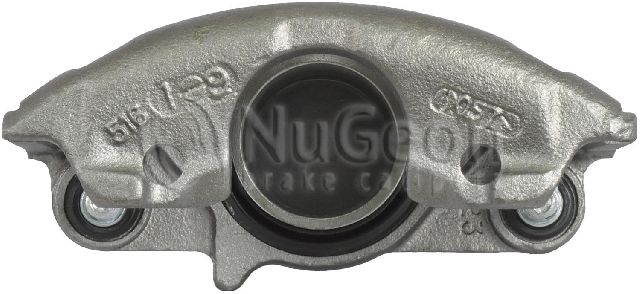
The 1992-1999 Buick LeSabre uses a floating caliper design for both front and rear disc brakes. The front calipers are single-piston units. The system requires DOT 3 brake fluid. Caliper slide pins are secured with 3/8 inch Allen head bolts on many models within this generation.
We Have This Part in Stock
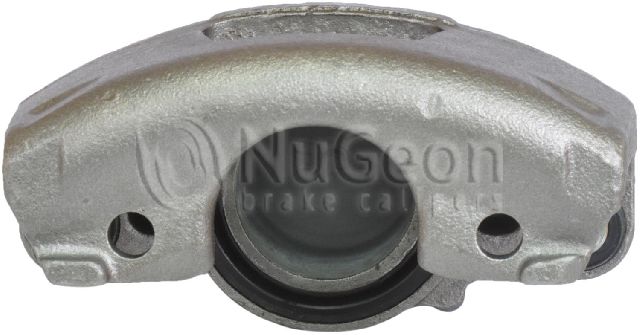
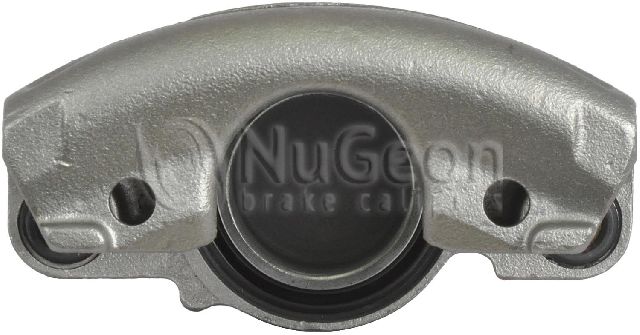
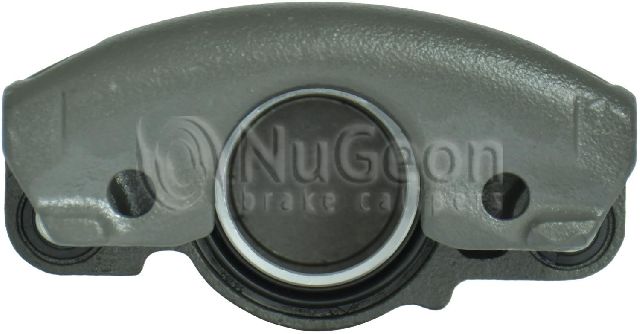
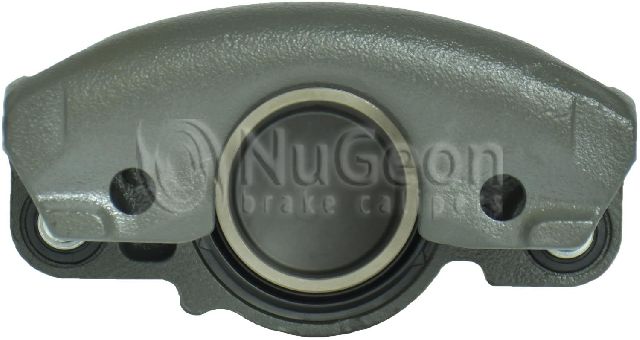


The information in this article is provided for general reference and educational purposes only. Vehicle specifications, procedures, and part compatibility can vary by production date, trim level, and region. Always consult your vehicle's factory service manual and verify part numbers before purchasing or performing repairs. Safety-critical components such as airbags, seat belts, and braking systems should be installed by a qualified professional.
- Buick LeSabre: