

Chevrolet C2500 Suburban Oxygen Sensor: A Vehicle-Specific Guide (1992-1999)
Fix your check engine light and poor gas mileage by choosing the right oxygen sensor for your 1992-1999 C2500 Suburban.
- First, identify if your Suburban is OBD-I (1992-95) or OBD-II (1996-99) to determine how many sensors you have and where they are located.
- Stick with ACDelco, Denso, or NGK/NTK brands for guaranteed compatibility and to avoid repeat failures.
- Do not ignore a bad O2 sensor; doing so will hurt your fuel economy and can lead to costly catalytic converter damage.
- The biggest challenge of the replacement is the old sensor being seized by rust; soak it with penetrating oil well in advance.
Is Your Suburban an OBD-I or OBD-II Model?
Before buying an oxygen sensor, you must know your vehicle's diagnostic system. This is the most common mistake owners make.
- 1992-1995 Models (OBD-I): These trucks have an On-Board Diagnostics I system. They typically use one or two oxygen sensors located in the exhaust manifold or pipe before the catalytic converter. These sensors can have one, three, or four wires.
- 1996-1999 Models (OBD-II): These trucks have the more modern On-Board Diagnostics II system. They use up to four oxygen sensors. There is one "upstream" sensor before the catalytic converter on each side (Bank 1 and Bank 2), and one "downstream" sensor after each catalytic converter.
Pro Tip: Always verify the sensor's location (e.g., Bank 1 Sensor 1, Bank 2 Sensor 2) and connector type before ordering. An OBD-II code reader will tell you exactly which sensor has failed on 1996 and newer models.
Choosing the Right Aftermarket Oxygen Sensor Brand
For GM trucks of this era, brand choice matters. The engine computer is sensitive and expects signals from specific types of sensors. Choosing the wrong brand can lead to persistent check engine lights and performance issues, even with a new part.
Tier 1: OEM & OEM-Equivalent Brands
These brands are widely trusted by professional mechanics and Suburban owners for their reliability and compatibility.
- ACDelco: This is the original GM parts brand. It's the benchmark for quality and is guaranteed to work correctly with your truck's computer.
- Denso & NGK (NTK): These Japanese brands are often the original manufacturers for ACDelco parts. Forum discussions are filled with owners who report excellent, trouble-free results using Denso or NGK/NTK sensors as a high-quality, often more affordable, alternative to dealer parts.
Tier 2: Aftermarket Brands with Mixed Reviews
These brands may work, but owner experiences are inconsistent for this specific vehicle range.
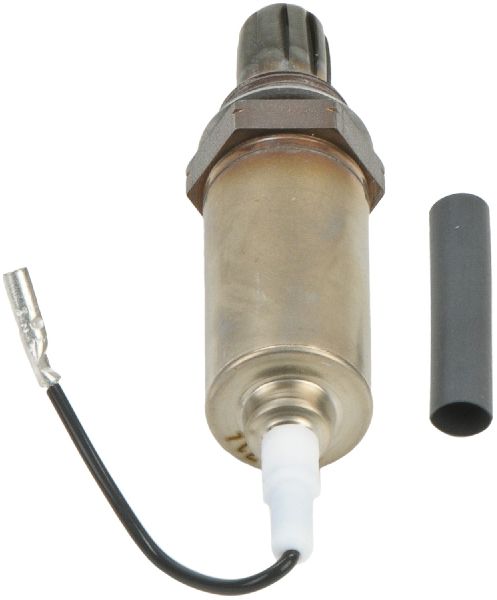
- Bosch: While a major OEM supplier for many car brands, Bosch sensors have a reputation for causing issues in GMT400 platform trucks like your Suburban. Numerous owners have reported having to replace new Bosch sensors with ACDelco or Denso to resolve performance problems or check engine lights. It is generally recommended to avoid Bosch for this application.
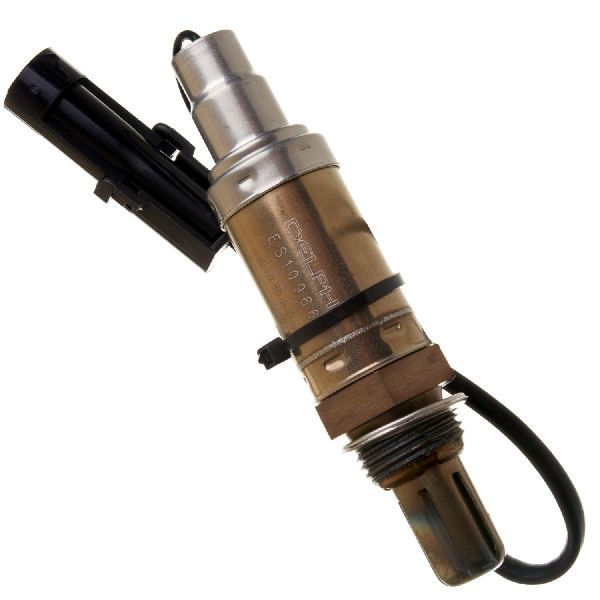
- Delphi: Once a part of GM, Delphi is a well-known aftermarket brand. However, its quality and compatibility are less certain since changing ownership, and it is not as frequently recommended as Denso or NGK by owners.
Tier 3: Economy & Store Brands
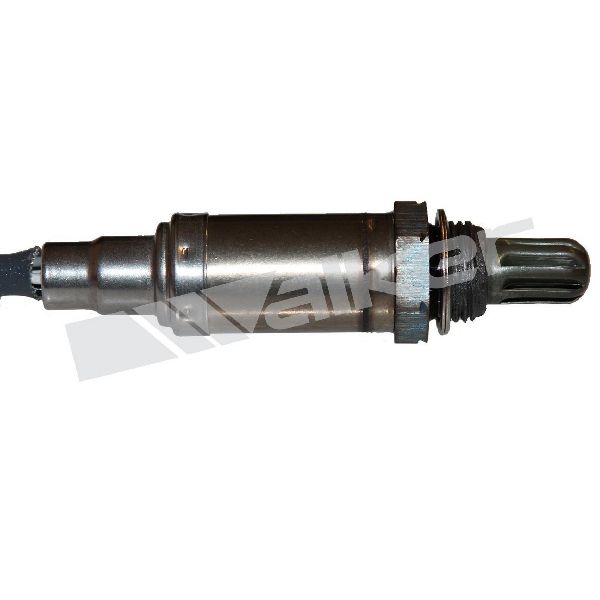
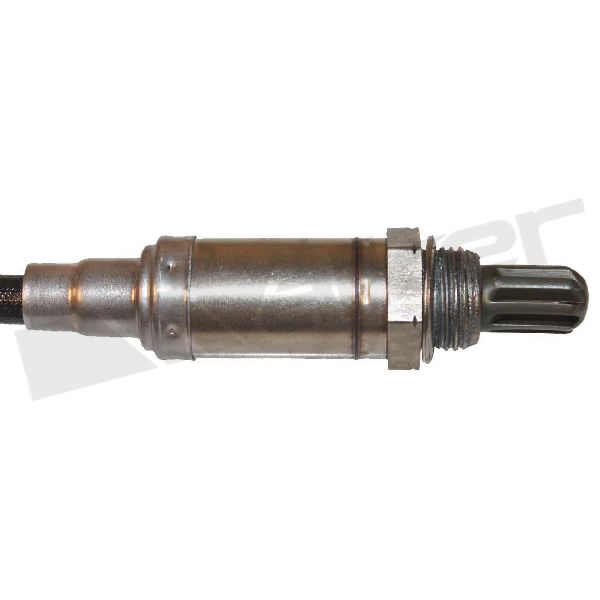
Brands like DriveWire, Spectra, and Walker Products fall into this category. While they offer a lower price point, their long-term durability and electronic compatibility can be a gamble. Given the relatively low cost of even top-tier sensors, it is wise to invest in an OEM-equivalent brand to avoid doing the job twice.
A Note on Technical Service Bulletins (TSB)
General Motors issued TSB 20-NA-065, which notes that O2 sensor and fuel trim error codes can sometimes be caused by small, hard-to-find vacuum leaks in the intake or exhaust system, not a faulty sensor. If you replace a sensor and the code returns, a thorough leak check should be your next step.
Frequently Asked Questions
How many oxygen sensors does my 1992-1999 C2500 Suburban have?
It depends on the year. 1992-1995 models usually have one or two sensors before the catalytic converter. 1996-1999 models have up to four sensors: two before the cats (upstream) and two after the cats (downstream).
What is the difference between an upstream and a downstream sensor?
Upstream sensors (Bank 1/2, Sensor 1) are located before the catalytic converter and are the primary sensors used by the computer to adjust the air-fuel mixture. Downstream sensors (Bank 1/2, Sensor 2) are located after the catalytic converter and mainly monitor its efficiency to make sure it's cleaning the exhaust properly.
Can I clean my old oxygen sensor?
No, cleaning is not a reliable or recommended fix. The sensing element becomes contaminated and worn out internally over time. Replacement is the only correct solution.
What happens if I don't replace a bad O2 sensor?
You will continue to have poor fuel economy and sluggish performance. More importantly, a bad sensor can cause the engine to run rich, which can overheat and permanently damage your expensive catalytic converters, leading to a much more costly repair.
Why is the sensor so hard to remove?
Oxygen sensors are screwed into the exhaust system, where they are exposed to extreme heat and moisture. This causes them to rust and seize in place. Soaking the sensor with penetrating oil for several hours or overnight before attempting removal is highly recommended.
Technical Specifications
OEM Part Numbers: AFS106 13474 234-4018
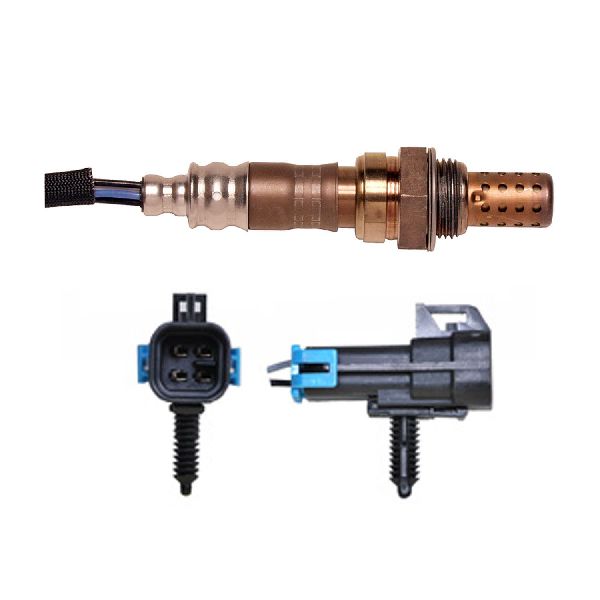
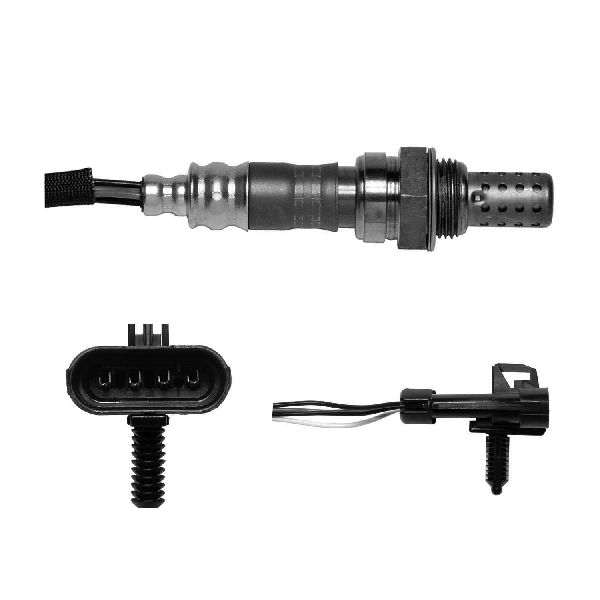
Thread Size: M18x1.5. Connector Type: Varies by year and location (Square or Flat 4-pin for heated sensors, single wire for some early models). Wire Count: 1, 3, or 4 wires depending on application.
We Have This Part in Stock

The information in this article is provided for general reference and educational purposes only. Vehicle specifications, procedures, and part compatibility can vary by production date, trim level, and region. Always consult your vehicle's factory service manual and verify part numbers before purchasing or performing repairs. Safety-critical components such as airbags, seat belts, and braking systems should be installed by a qualified professional.
- Chevrolet C2500 Suburban:
- 🛍️ Shop This Part
- Is Your Suburban an OBD-I or OBD-II Model?
- Choosing the Right Aftermarket Oxygen Sensor Brand
- Tier 1: OEM & OEM-Equivalent Brands
- Tier 2: Aftermarket Brands with Mixed Reviews
- Tier 3: Economy & Store Brands
- A Note on Technical Service Bulletins (TSB)
- Frequently Asked Questions
- 🎟️ Get 5% Off