

Guide to the 1992-1999 GMC Yukon Automatic Transmission Mount
Stop the clunks and vibrations in your GMT400 Yukon by understanding and replacing your transmission mount.
- A clunking noise when shifting into gear and excessive vibration are the most common signs of a failed mount.
- It is highly recommended to replace the engine mounts at the same time as the transmission mount.
- Aftermarket brands like Anchor and DEA are budget options, but quality and fit can be inconsistent.
- Driving with a completely failed mount can cause damage to other components like hoses, wiring, and seals.
Is Your Yukon's Transmission Mount Failing?
The transmission mount is a wear-and-tear item. The rubber that does all the work can dry out, crack, get soaked with oil, and eventually separate completely. When this happens on your Yukon, you'll likely notice some clear signs that it's time for a replacement.
Common Failure Symptoms:
- Clunking Noises: A loud 'clunk' or 'bang' when you shift from Park into Drive or Reverse is a classic sign. You might also hear this noise when you accelerate hard as the transmission shifts and hits the frame.
- Excessive Vibration: If the rubber has failed, it can no longer absorb vibrations. You'll feel this through the floor, seats, and steering wheel, especially when idling in gear or accelerating.
- Drivetrain Movement: You might feel the whole drivetrain shift or lurch when you step on the gas or brake suddenly. In some cases, you can have a helper hold the brakes and shift from Drive to Reverse while you watch the transmission; if it lifts or moves excessively, the mount is bad.
Don't Ignore a Bad Mount
While you can drive with a failing mount, it's not recommended. A completely failed mount allows for so much movement that it can damage coolant hoses, wiring, exhaust pipes, and even cause transmission fluid leaks by stressing the seals. This turns a cheap, simple fix into a much more expensive repair.
Choosing the Right Aftermarket Mount
For a vehicle like the 1992-1999 Yukon, aftermarket parts are the most common and cost-effective choice. OEM parts may be harder to find and more expensive. However, aftermarket quality can vary significantly. The brands are generally grouped into tiers:
- Standard Replacement (Economy): Brands like Anchor, DEA, and Westar fall into this category. They are widely available and very affordable. However, owner experiences are mixed. Some find they work fine for daily driving, while others report premature failure, poor fitment, and harder rubber that causes more vibration than the original part. These are often considered a budget-first option.
- Mid-Grade/OE-Style: Brands like Pioneer aim to provide quality similar to the original part. They often represent a good balance between cost and quality, designed to restore the vehicle's original ride feel without the high price of a dealer part.
- Heavy Duty/Performance: While not as common for this specific application, some brands offer polyurethane mounts. These are much stiffer than rubber and provide the best durability and control, but they will transmit significantly more vibration into the cabin and are usually not recommended for a daily-driven truck unless you have specific performance needs.
Pro Tip: Replace in Sets
Your Yukon has two engine mounts and one transmission mount. They all work together to support the drivetrain. If your transmission mount has failed due to age and mileage, your engine mounts are likely in similar condition. It is highly recommended to replace all three at the same time to ensure proper drivetrain alignment and prevent the new mount from failing prematurely.
Cost of Replacing Your Transmission Mount
| Part Type | Typical Price Range |
|---|---|
| New Aftermarket Mount | $10 - $65 |
| Shop Labor Cost | $85 - $130 |
| Estimated Total (Shop Installed) | $95 - $195 |
Note: Prices are estimates and can vary based on your location and specific vehicle configuration (2WD vs 4WD). This estimate is for the transmission mount only.
Frequently Asked Questions
Is this a difficult job to do myself?
For a DIY mechanic with a good set of tools, replacing the transmission mount is very feasible. It typically involves supporting the transmission with a jack, unbolting the crossmember, and then unbolting the mount itself. It is much easier than replacing the engine mounts on the same truck. Estimated time is about 1-2 hours.
Are there any recalls for the transmission mount on my Yukon?
No, there are no specific NHTSA recalls for the transmission mount on the 1992-1999 GMC Yukon. This part is considered a standard wear-and-tear item. While there have been recalls for transmission issues on much newer Yukon models, they do not apply to this generation.
What's the difference between the 2WD and 4WD mount?
The 2WD and 4WD models of this generation Yukon often use different transmission mounts and crossmember setups. It is critical to order the part that is specific to your vehicle's drivetrain. Always verify the fitment for your exact year and model before purchasing.
Will a new mount fix my clunky shifts?
Sometimes, yes. If the mount is so worn that it's causing the transmission to be misaligned, it can affect shift quality. However, a bad mount is more likely to cause a 'clunk' when you put it in gear, not necessarily harsh shifting between gears while driving. If you have shifting problems, you may have other transmission issues.
Technical Specifications
OEM Part Numbers: 15854941 15854939
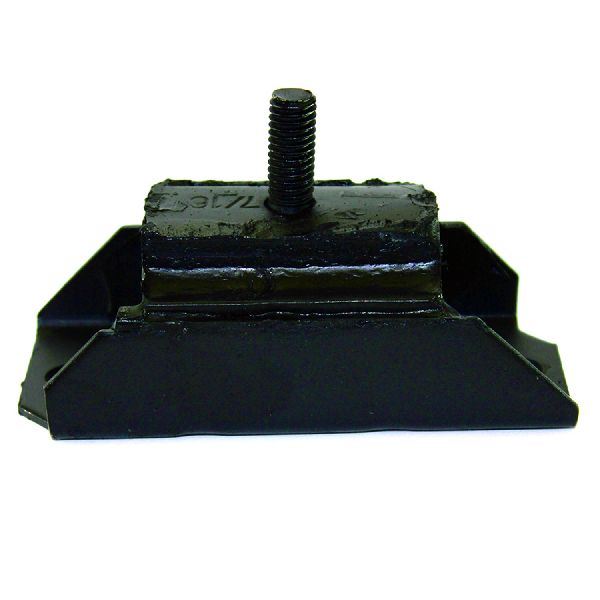
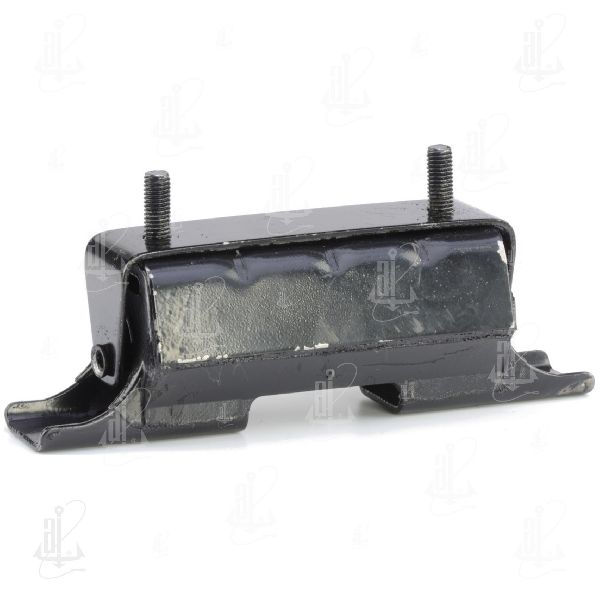
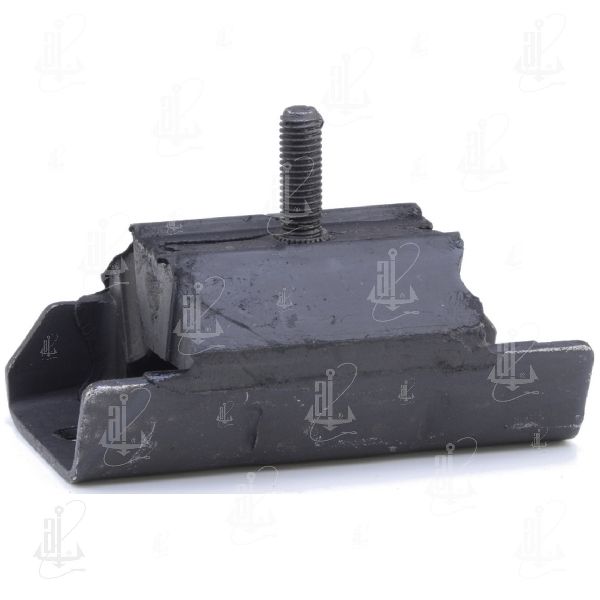
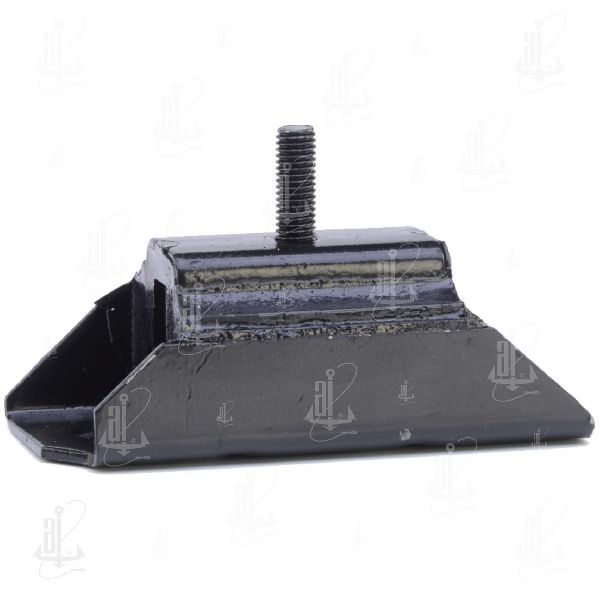
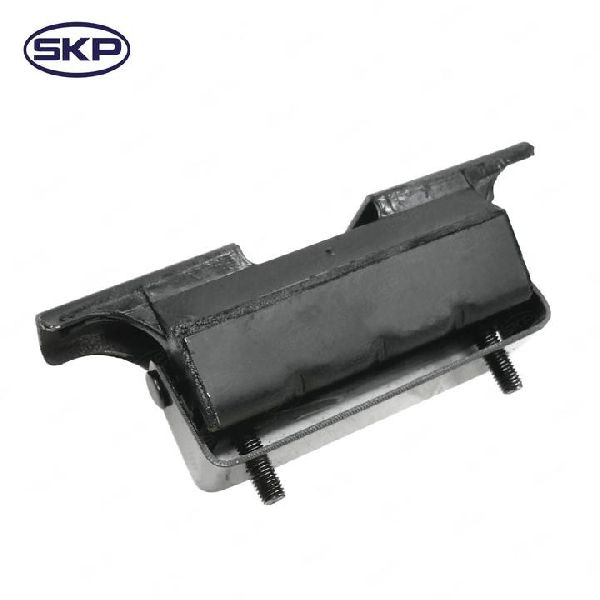
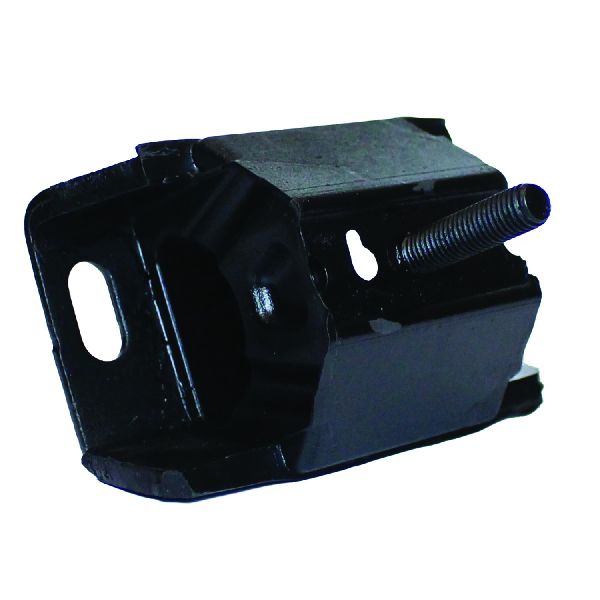
The mount consists of a steel bracket and a rubber insulator designed to bolt to the transmission crossmember. Different part numbers are used for 2WD and 4WD models. It is often replaced as a set with the two engine mounts (Part numbers like 2637, 2621).
We Have This Part in Stock

The information in this article is provided for general reference and educational purposes only. Vehicle specifications, procedures, and part compatibility can vary by production date, trim level, and region. Always consult your vehicle's factory service manual and verify part numbers before purchasing or performing repairs. Safety-critical components such as airbags, seat belts, and braking systems should be installed by a qualified professional.
- GMC Yukon: