

Engine Coolant Temperature Sensor Guide for 1992-1999 GMC Yukon
Spot a failing coolant sensor in your Yukon and learn how to choose the right aftermarket replacement part.
- A bad ECT sensor can cause overheating, poor fuel economy, and hard starts in your Yukon.
- Common fault codes are P0117 and P0118.
- Replacement is simple, located on the intake manifold, and can be done in under 30 minutes.
- For reliability, choose a premium aftermarket brand like Delphi, Standard Ignition, or Beck Arnley.
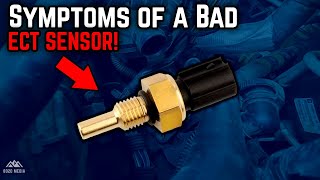
Symptoms of a Failing ECT Sensor in a '92-'99 Yukon
A bad coolant temperature sensor can cause a surprising number of problems. Because the engine's computer relies on this sensor for so much, a wrong signal can throw everything off. Watch out for these common signs of failure.
- Check Engine Light: This is often the first sign. A faulty sensor can trigger codes like P0117 (Circuit Low) or P0118 (Circuit High).
- Poor Fuel Economy: If the sensor wrongly tells the computer the engine is cold, the computer will enrich the fuel mixture, wasting gas.
- Black Smoke from Exhaust: This is a result of an overly rich fuel mixture, where unburned fuel is sent out the tailpipe.
- Engine Overheating: A failed sensor might not signal the computer that the engine is hot, so the cooling fans won't turn on when needed.
- Hard Starting: Whether the engine is hot or cold, a bad sensor can lead to the wrong fuel mixture for starting, making it difficult to get the engine running.
- Inaccurate Temp Gauge: The gauge on your dashboard might be stuck on cold, shoot straight to hot, or not move at all.
Warning: Do Not Ignore Overheating
If your temperature gauge reads hot or you suspect the engine is overheating, pull over and shut off the engine as soon as it is safe. Driving an overheating engine can cause severe and permanent damage, like warped cylinder heads or a blown head gasket.
Choosing the Right Aftermarket ECT Sensor
For an older truck like the 1992-1999 Yukon, the aftermarket offers many sensor options. While an OEM part from ACDelco is a reliable choice, many aftermarket brands provide similar quality for less money. Here’s how to think about the available brands:
- Premium Aftermarket (Beck Arnley, Delphi, Hella, NGK, Standard Ignition): These brands are often original equipment manufacturers for various car companies. They have a strong reputation for quality control and reliability. Delphi, in particular, has a close relationship with GM. Standard Ignition (also known as SMP) is another well-regarded choice that sometimes includes a new connector pigtail in the box, which is useful if yours is old and brittle.
- Mid-Grade (Holstein, Motorad, Walker Products): These brands offer a solid balance of price and performance. They are generally dependable parts for a daily driver or work truck without the premium price tag.
- Value Brands (Facet, Four Seasons, Global Parts, True Tech): These are the most budget-friendly options. While they can get your truck back on the road, some owners report a higher chance of premature failure or less precise temperature readings compared to premium brands. For a critical sensor like the ECT, spending a few extra dollars on a more reputable brand is often a wise investment.
Cost of Replacing a Yukon ECT Sensor
| Item | Estimated Cost |
|---|---|
| New OEM (ACDelco) Part | $30 - $60 |
| New Aftermarket Part | $12.58 - $37.74 |
| Shop Labor | $75 - $150 |
| Total Professional Replacement | $88 - $210 |
Pro Tip: Quick Swap
When you replace the sensor, some coolant will leak out. Have the new sensor ready to go. As soon as you unscrew the old one, quickly screw the new one in by hand to minimize coolant loss. You'll still need to top off the coolant reservoir afterward.
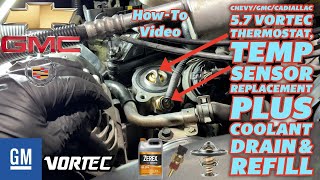
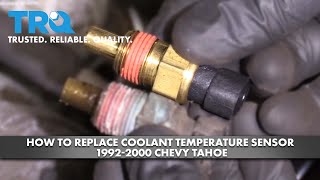
🎬 Watch: How to replace the sensor and change your coolant.Frequently Asked Questions (FAQ)
Where is the ECT sensor located on a 1992-1999 GMC Yukon?
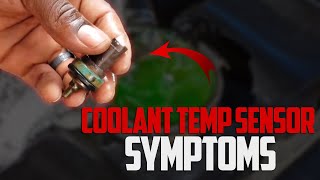
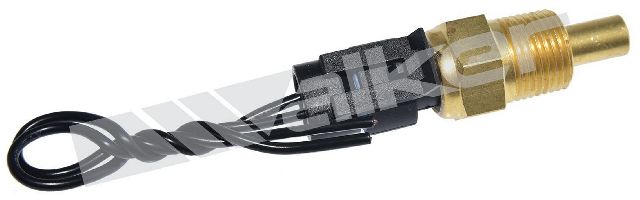
On V8 engines like the 5.7L, the ECT sensor is typically located on the front of the intake manifold, near the thermostat housing on the driver's side. 🎬 See this step-by-step sensor replacement walkthrough. It's a brass sensor with a plastic electrical connector.
Do I need to drain all the coolant to replace the sensor?
No, you do not need to drain the entire system. Only a small amount of coolant will spill out when you remove the sensor. Place a drain pan underneath to catch it and be prepared to install the new sensor quickly.
What happens if I ignore a bad ECT sensor?
Ignoring it can lead to serious issues. You'll likely suffer from poor fuel economy and performance. More critically, you risk the engine overheating without warning, which can lead to catastrophic engine damage.
Should I use thread sealant on the new sensor?
Many new sensors come with a thread sealant compound already applied. If your new sensor does not have sealant on the threads, it's a good idea to apply a small amount of automotive thread sealant to ensure a leak-proof fit.
Helpful Videos
Technical Specifications
OEM Part Numbers: 12146312 15326386 25036979 15326388 12191170
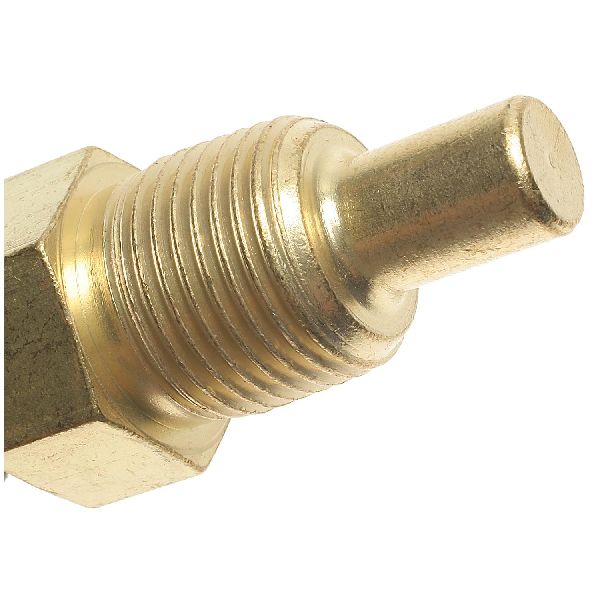
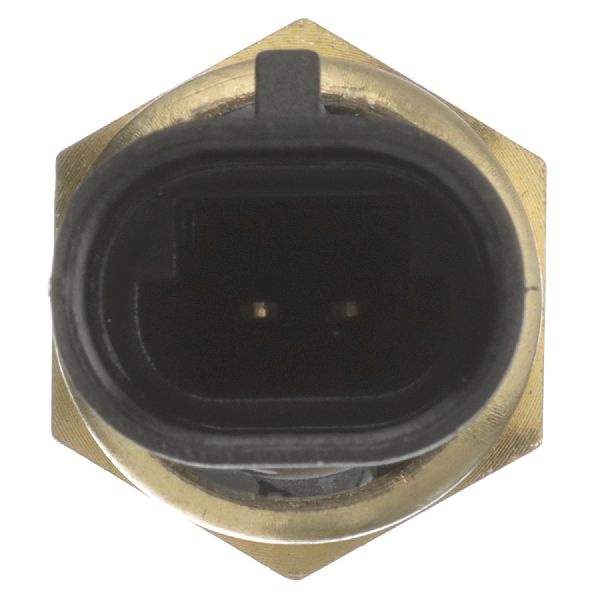
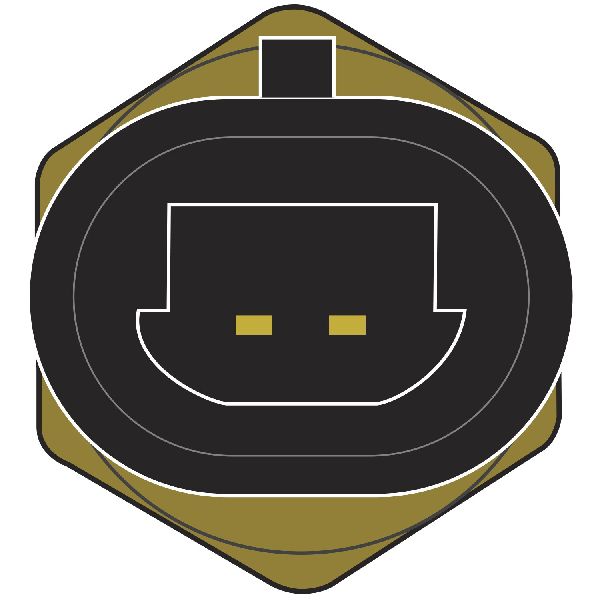
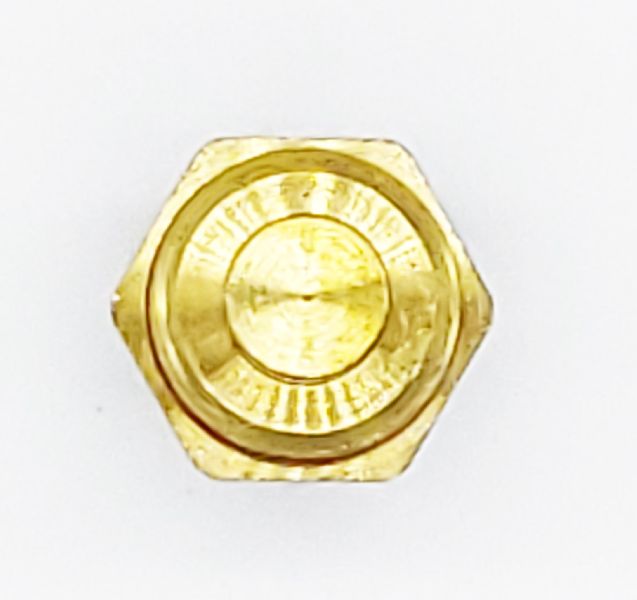
The sensor for this generation Yukon typically has a 2-pin connector and brass body. The thread size is commonly 3/8" - 18 NPTF. Always verify the part against your specific vehicle's engine.
We Have This Part in Stock


The information in this article is provided for general reference and educational purposes only. Vehicle specifications, procedures, and part compatibility can vary by production date, trim level, and region. Always consult your vehicle's factory service manual and verify part numbers before purchasing or performing repairs. Safety-critical components such as airbags, seat belts, and braking systems should be installed by a qualified professional.
- GMC Yukon: