

Dodge Dakota Drum Brake Shoe Replacement Guide (1992-2003)
Solve your Dakota's rear brake problems by choosing the right drum brake shoes and learning why they fail.
- You MUST confirm if your Dakota has 9-inch or 10-inch rear drums before ordering parts.
- The factory self-adjusting mechanism is a known weak point; expect to manually adjust your new brakes for best performance.
- Always replace the brake hardware (springs and clips) when you replace the shoes to ensure proper function and prevent noise.
- While replacing the shoes, inspect the wheel cylinders for leaks, as this is another common failure point.
Signs of a Bad Drum Brake Shoe
Worn-out brake shoes can make your truck unsafe. Pay attention to these common symptoms that tell you it's time for a replacement.
- Scraping or Grinding Noises: A loud grinding sound from the rear wheels when braking means the friction material is likely gone. The metal part of the shoe is now grinding against the metal drum, which can cause serious damage.
- Spongy or Soft Brake Pedal: If your brake pedal feels soft or goes closer to the floor than it used to, it can be a sign of worn shoes or other issues within the drum system, like a leaking wheel cylinder.
- Weak Parking Brake: If your parking brake handle or pedal goes down too far, or the truck won't hold on a hill, the rear shoes are likely worn out and out of adjustment.
- Pulling to One Side: Unevenly worn or failing brake shoes on one side can cause the truck to pull to the left or right when you apply the brakes.
Choosing the Right Aftermarket Brake Shoes
For a vehicle like the 1992-2003 Dodge Dakota, aftermarket brake shoes offer excellent quality, often meeting or exceeding the original factory specifications. Here’s a breakdown of common brand tiers to help you decide.
Premium Brands: ($80 - $110)
These brands are known for top-tier quality, durability, and performance. They often include new hardware in the box and use advanced friction materials for quiet, consistent stopping.
- Wagner Brakes: A highly respected name in braking, known for quality materials and engineering that reduces noise.
- Bendix: Known for robust design and providing reliable stopping power, often recommended by professionals.
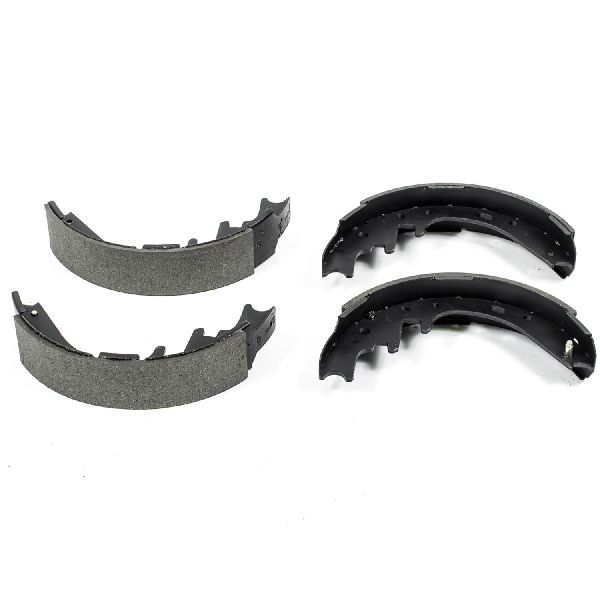
- Powerstop: A popular choice for those looking for enhanced performance, often sold in kits with matching drums.
Quality Standard Brands: ($60 - $80)
These brands provide a great balance of quality and value. They are a reliable choice for daily driving and are often manufactured to precise original equipment (OE) standards.
- Centric: A leading aftermarket supplier focused on OE fit and quality, making them a very popular and dependable option.
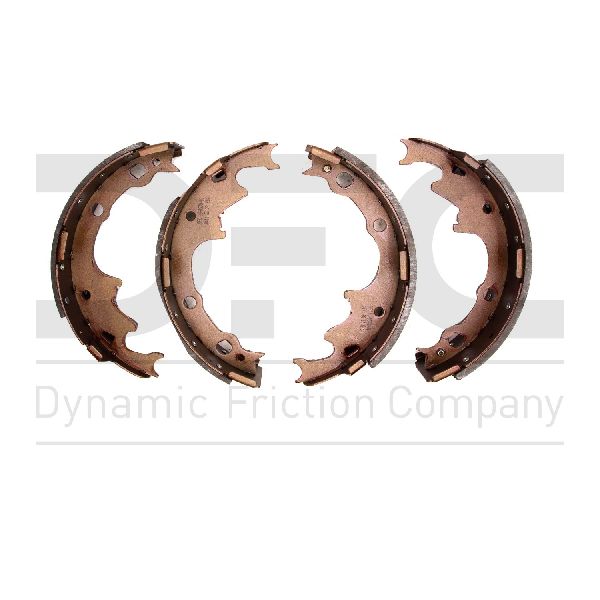
- Dynamic Friction: Offers quality replacement parts that are engineered to meet the demands of today's vehicles.
Economy Brands: ($50 - $60)
These brands are a good choice for budget-conscious repairs. They provide a functional, safe replacement to get your truck back on the road.
- Crown Automotive: Specializes in replacement parts for Chrysler/Dodge/Jeep vehicles and offers a budget-friendly alternative.
Common Ordering Mistake: 9-inch vs. 10-inch Drums
Dodge Dakotas from this era came with two different rear drum sizes: 9-inch and 10-inch. Ordering the wrong size is a common, frustrating mistake. There is no guaranteed way to know without checking. Some owners report that finned drums are 9-inch and smooth drums are 10-inch, but this is not always accurate. The only sure way to know is to remove a wheel and measure the inside diameter of the brake drum before you order.
Known Issues for 1992-2003 Dodge Dakota
Owners have reported several common issues with the rear drum brakes on these trucks.
- Failed Self-Adjusters: The most common complaint is that the automatic self-adjusting mechanism fails to work, sometimes even when new. This leads to a low brake pedal and a weak parking brake. Most owners find they need to manually adjust the brakes periodically through the access hole 🎬 Watch a quick DIY video on manual drum brake adjustment. in the backing plate.
- Leaking Wheel Cylinders: The wheel cylinders that push the shoes out can develop leaks. This brake fluid will soak the shoes, ruining them and causing poor braking performance. It's wise to inspect the wheel cylinders 🎬 See how to replace a leaking wheel cylinder on your Dakota. for any signs of wetness when you replace your shoes.
- Seized Hardware: The various springs and the star adjuster wheel inside the drum can rust and seize, especially in areas with road salt. This prevents the brakes from working correctly.
Pro Tip: Always Replace The Hardware
For a few extra dollars, a drum brake hardware kit provides all new springs, clips, and retainers. The old springs lose their tension over time, and adjusters can seize with rust. Using new hardware makes the job easier and ensures the entire system works like new, helping the shoes wear evenly and last longer.
Frequently Asked Questions (FAQ)
Do I need to replace my brake drums at the same time?
You should always inspect your brake drums when replacing the shoes. If they have deep grooves, a large lip on the edge, or signs of overheating (blue spots), they should be replaced. Replacing shoes and drums together ensures the best performance and longest life for your new parts.
Why aren't my self-adjusters working?
This is a very common problem on Dodge Dakotas. Often, the star wheel adjuster gets gummed up or rusted and can't turn. The cable can also stretch or break. Even with all new parts, many owners report the design is not very effective. Plan on performing manual adjustments for the best brake pedal feel.
What's the difference between bonded and riveted shoes?
Bonded shoes have the friction material glued to the metal backing, while riveted shoes use metal rivets. Most modern shoes for passenger trucks are bonded. Riveted shoes were more common on older, heavy-duty applications. For your Dakota, either will work if available, but bonded is the standard.
Is it hard to replace drum brake shoes myself?
Yes, it can be. Drum brakes are more complex than disc brakes due to all the springs and clips. If you're a beginner, it can be tricky. A good tip is to only take apart one side at a time, so you can use the other side as a reference. Taking pictures with your phone before you remove parts is also very helpful.
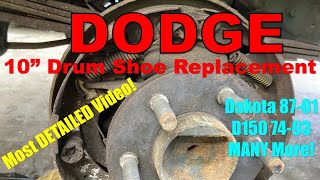
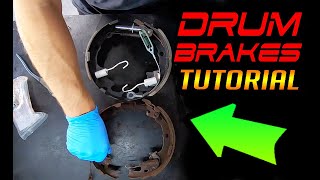
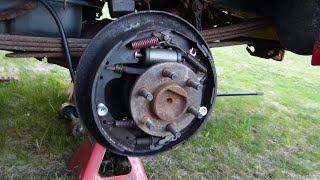
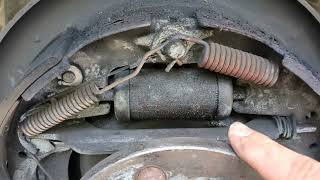
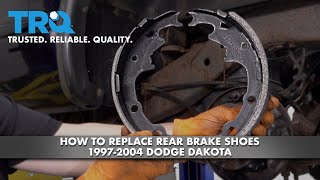
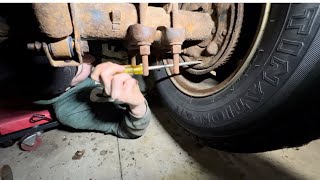
Helpful Videos
Technical Specifications
Brake Drum Diameter: 9 inches or 10 inches. This must be verified on the vehicle before ordering parts.
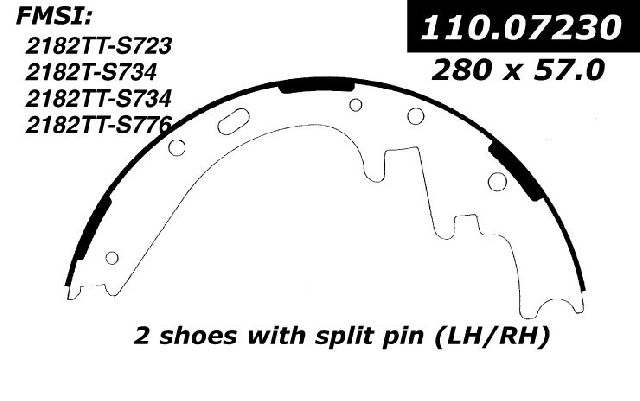
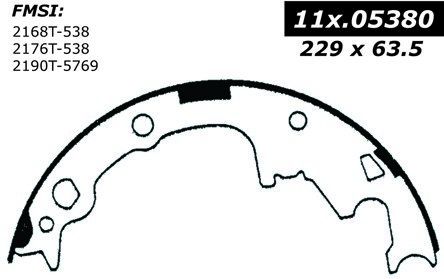
We Have This Part in Stock


The information in this article is provided for general reference and educational purposes only. Vehicle specifications, procedures, and part compatibility can vary by production date, trim level, and region. Always consult your vehicle's factory service manual and verify part numbers before purchasing or performing repairs. Safety-critical components such as airbags, seat belts, and braking systems should be installed by a qualified professional.
- Dodge Dakota:
- 🎬 Helpful Videos
- 🛍️ Shop This Part
- Signs of a Bad Drum Brake Shoe
- Choosing the Right Aftermarket Brake Shoes
- Premium Brands: ($80 - $110)
- Quality Standard Brands: ($60 - $80)
- Economy Brands: ($50 - $60)
- Common Ordering Mistake: 9-inch vs. 10-inch Drums
- Known Issues for 1992-2003 Dodge Dakota
- Pro Tip: Always Replace The Hardware
- Frequently Asked Questions (FAQ)
- 🎟️ Get 5% Off