

Chevrolet Cavalier Front Disc Brake Caliper Replacement Guide (1992-2005)
Fix common Cavalier brake problems like pulling, sticking, and uneven pad wear by choosing the right replacement caliper.
- The most common failure on Cavalier calipers is seized or corroded slide pins, leading to uneven pad wear.
- Always replace front calipers in pairs to ensure safe, balanced braking.
- Verify the correct year range (1992-95 vs 1996-05) before ordering, as the parts are different.
- Brake bleeding is a mandatory and critical step after replacing a caliper.
Is Your Cavalier's Brake Caliper Failing?
A brake caliper is built to last a long time, but heat, moisture, and road grime eventually cause problems. On the 1992-2005 Cavalier, calipers can fail in a few common ways. Knowing the symptoms helps you diagnose the problem before it becomes a critical safety issue.
Key Symptoms of a Bad Brake Caliper:
- Vehicle Pulling to One Side: When you brake, your car may pull sharply to the left or right. This is a classic sign of a seized or sticking caliper that isn't applying or releasing pressure correctly.
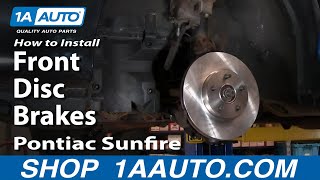
- Uneven Brake Pad Wear: If you find one brake pad on a wheel is worn down much more than the other, it's often caused by seized caliper slide pins. This prevents the caliper from applying even pressure. 🎬 Watch this walkthrough for replacing front brake pads and rotors
- Spongy or Soft Brake Pedal: A failing piston seal can cause brake fluid to leak. This loss of fluid and pressure can make your brake pedal feel soft or sink towards the floor.
- Grinding or Squealing Noise: While often a sign of worn pads, a constant grinding noise can also mean a caliper is stuck and holding the pad against the rotor.
- Burning Smell: A strong, hot smell from a wheel after driving can indicate a dragging brake caused by a stuck caliper. This generates extreme heat.
- Visible Brake Fluid Leak: Puddles or wetness around the caliper or on the inside of the wheel are a sure sign of a leak.
Known Issue: Sticking Caliper Slide Pins
The most common point of failure on the Cavalier's front calipers isn't usually the caliper body itself, but the slide pins. These pins allow the caliper to move and adjust. Over time, they corrode and seize within their rubber bushings, causing the caliper to bind. This leads to rapid and uneven pad wear and can mimic a fully failed caliper. When replacing your calipers, it is essential that the new or serviced slide pins are cleaned and properly lubricated with high-temperature silicone brake grease.
🎬 See how to diagnose and fix a sticking brake caliperChoosing the Right Aftermarket Caliper
For a car like the 1992-2005 Cavalier, the aftermarket offers a wide range of new calipers that meet or exceed original quality. You don't need to hunt for an expensive OEM part. Aftermarket brands offer everything from standard replacements to performance upgrades.
Brand Tiers for Your Cavalier:
- Performance Upgrade (Powerstop): If you want to add a performance look and feel, Powerstop is a popular choice. Their calipers often come powder-coated (usually red) and are engineered for enthusiasts. They are sold in pairs and bolt on directly.
- Premium OE-Style (Raybestos, Centric): Brands like Raybestos and Centric are well-regarded for providing high-quality new and remanufactured calipers that are equivalent to the original parts. Many of these calipers feature a zinc or other protective coating to prevent rust, which is a great feature for longevity.
- Standard Replacement (Cardone, Dynamic Friction, BBB Industries): These brands offer a reliable and affordable solution for daily driving. Cardone is a major player in the remanufactured market but also offers new parts; forum discussions show mixed but generally acceptable experiences. These are solid, budget-friendly options to get your Cavalier braking safely again.
| Part/Service | Estimated Cost |
|---|---|
| New Aftermarket Caliper | $35 - $120 per caliper |
| Shop Labor | $140 - $180 per axle |
| Total (DIY) | $70 - $240 (for a pair) |
| Total (Shop) | $210 - $420 (for a pair) |
Frequently Asked Questions
Should I replace brake calipers in pairs?
Yes, it is always recommended to replace calipers in pairs (both front or both rear). This ensures even braking performance and prevents the car from pulling to one side. An old caliper will not perform the same as a new one.
What is a "core charge?"
Many remanufactured calipers have a core charge. This is a temporary deposit you pay until you return your old, worn-out caliper to the store. It encourages recycling of the old parts. New calipers typically do not have a core charge.
What's the difference between a new and a remanufactured caliper?
A new caliper is made from 100% new components. A remanufactured caliper uses the original caliper body (the core), which is cleaned and inspected, but is rebuilt with all new seals, pistons, and hardware. For a simple design like the Cavalier's, a quality remanufactured caliper from a good brand is a perfectly safe and cost-effective option.
Do I have to bleed the brakes after replacing a caliper?
Yes, absolutely. When you disconnect the brake hose from the old caliper, air enters the hydraulic system. You must bleed the brake system to remove all air bubbles. Failure to do so will result in a spongy pedal and dangerously reduced braking power.
Helpful Videos
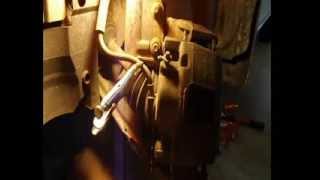
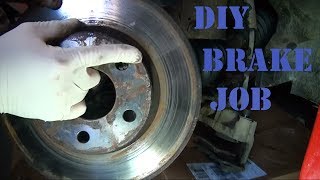
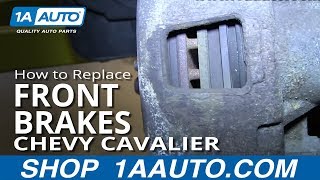
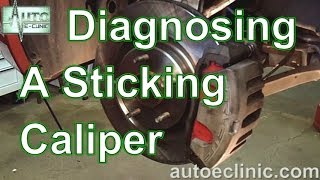
Technical Specifications
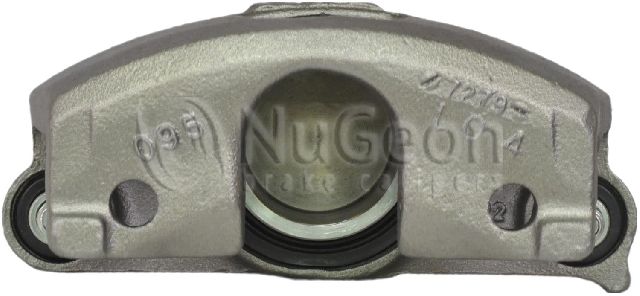
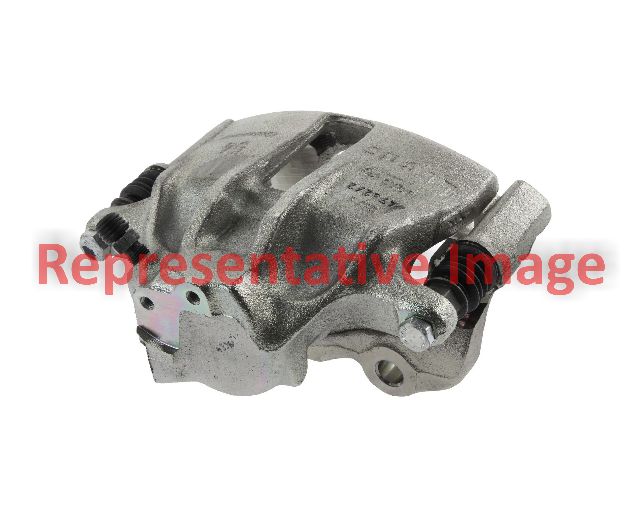
Vehicle fitment is split by model year: 1992-1995 and 1996-2005. Calipers are a single-piston, floating design. A 3/8 inch Allen key is required for the caliper guide pins.
We Have This Part in Stock

The information in this article is provided for general reference and educational purposes only. Vehicle specifications, procedures, and part compatibility can vary by production date, trim level, and region. Always consult your vehicle's factory service manual and verify part numbers before purchasing or performing repairs. Safety-critical components such as airbags, seat belts, and braking systems should be installed by a qualified professional.
- Chevrolet Cavalier: