

Dodge Viper Serpentine Belt: A Vehicle-Specific Guide for 1992-2007 Models
Keep your V10 running strong by understanding which serpentine belt is right for your Viper.
- Verify your Viper's generation (Gen 1/2 vs. Gen 3) before ordering, as they use different belts.
- Replacement is a simple DIY task for most owners, requiring basic tools and about an hour.
- Consider replacing the belt tensioner at the same time as the belt to prevent premature failure of the new belt.
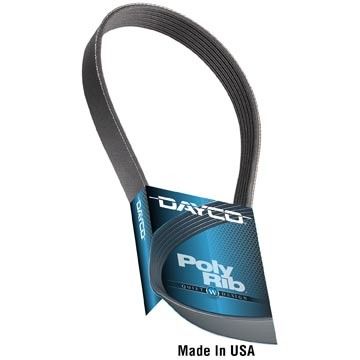
- High-quality aftermarket brands like Gates, Continental, and Dayco are reliable and cost-effective alternatives to OEM.
Symptoms of a Failing Serpentine Belt
A failing serpentine belt gives clear warning signs. Ignoring them can lead to a breakdown and potential engine damage from overheating. Look out for these symptoms:
- Squealing or Chirping Noises: This is the most common sign. The noise, especially when starting the engine or during acceleration, often points to a worn, stretched, or misaligned belt. 🎬 Watch: How to diagnose exactly where that squeak is coming from.
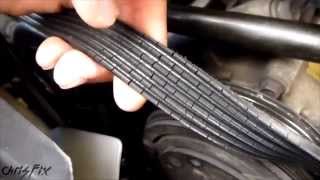
- Visible Wear and Tear: Inspect the belt itself. Look for cracks, fraying, missing ribs, or a glazed, shiny appearance. Any visible damage means it's time for a replacement.
- Accessory Failure: If your battery light comes on, your power steering feels heavy, or the engine temperature starts to rise, it could mean the belt has snapped or is slipping badly, failing to power the alternator, power steering pump, or water pump.
- Tensioner Noise or Failure: Sometimes the problem isn't the belt, but the tensioner that keeps it tight. A buzzing or grinding noise from the front of the engine can indicate a failing tensioner bearing. A bad tensioner can cause a new belt to fail quickly.
Choosing the Right Aftermarket Belt
For a wear item like a serpentine belt, a high-quality aftermarket part is an excellent choice and often comes from the same manufacturers that supply Mopar. The key is to choose a reputable brand and, most importantly, the correct part number for your Viper's specific generation.
Brand Quality Tiers
| Tier | Brands | Description |
|---|---|---|
| Best | Gates (especially RPM series), Continental | Often considered top-tier, with Gates offering specialty high-performance "RPM" belts designed for high-output engines. Continental is a major OEM supplier known for quality. |
| Better | Dayco | A solid, reliable choice that often provides the best value. Dayco is a well-respected brand in the domestic vehicle market. |
Common Ordering Mistake: Know Your Generation
The 1992-2007 Viper covers three distinct generations, and they use different belts. Ordering the wrong one is a common mistake.
- Gen 1 & 2 (1992-2002): These 8.0L V10 engines typically use a longer belt. Part numbers like Gates K070776 are common for these years.
- Gen 3 (2003-2006): These 8.3L V10 engines use a different, often shorter, belt. Part numbers like Gates K070683 or a 7-rib, ~1736mm belt are specified for these models.
Always confirm the part number with your vehicle's specific year and model before ordering.
Frequently Asked Questions (FAQ)
How often should I replace my Viper's serpentine belt?
While some service manuals suggest intervals as high as 60,000 miles, age is just as important as mileage for a rubber belt. For a high-performance vehicle like the Viper, it's wise to inspect the belt annually and consider replacing it every 4-5 years or around 40,000 miles, whichever comes first, as preventative maintenance.
Can I replace the serpentine belt myself?
Yes, this is a very DIY-friendly job on the Dodge Viper. Access is good, and it typically only requires a 15mm wrench or a long-handled ratchet to release the spring-loaded tensioner. The whole process can usually be done in under an hour.
Should I replace the tensioner with the belt?
It's highly recommended, especially if your Viper has higher mileage or if you don't know the tensioner's age. A weak or failing tensioner is a common cause of belt issues, including throwing a brand new belt. Replacing them together ensures the entire system is reliable.
My new belt squeals. What's wrong?
If a new, correct belt is squealing, the issue is likely elsewhere. The most common causes are a weak tensioner not providing enough pressure, a misaligned pulley, or fluid (like oil or coolant) leaking onto the belt. Some new belts may also have a brief break-in period where they make a slight whirring sound.
Helpful Videos
Technical Specifications
OEM Part Numbers: 04763795AD 53010282 5037862AD 5037862AE
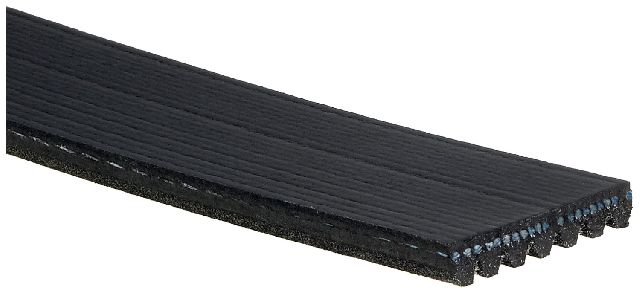
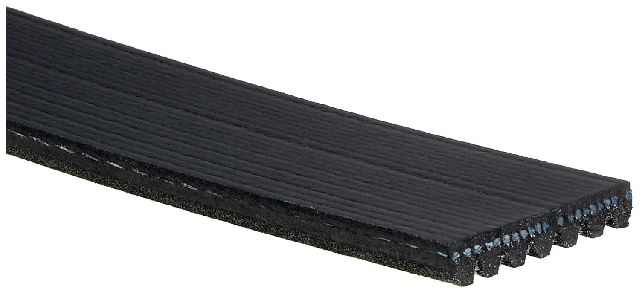
Gen 1/2 (1992-2002) Belt Length: ~77.5-78 inches. Gen 3 (2003-2006) Belt Length: ~68.3 inches (~1736mm). All models use a 7-rib design.
We Have This Part in Stock

The information in this article is provided for general reference and educational purposes only. Vehicle specifications, procedures, and part compatibility can vary by production date, trim level, and region. Always consult your vehicle's factory service manual and verify part numbers before purchasing or performing repairs. Safety-critical components such as airbags, seat belts, and braking systems should be installed by a qualified professional.
- Dodge Viper: