

GMC Jimmy 1993-1997 Starter Motor: A Comprehensive Guide
Don't get stranded—understand the signs of a failing starter and choose the right replacement for your Jimmy.
- Always check your battery and cable connections first; they can cause symptoms identical to a bad starter.
- Replacement can be difficult due to tight clearances, especially on 4x4 models; be prepared with universal joints and extensions.
- Aftermarket high-torque starters from brands like Powermaster can be a valuable upgrade for solving heat-related starting issues.
- A clicking sound is a classic symptom, but it can mean different things. A single click often points to the starter, while rapid clicking can still be a weak battery.
Is Your GMC Jimmy's Starter Failing?
If your 1993-1997 GMC Jimmy won't start, the starter motor is a common suspect, but it's not always the problem. Before you replace it, make sure your battery is fully charged and the cable connections are clean and tight. A weak battery or corroded terminals can mimic the symptoms of a bad starter.
Common Symptoms of a Bad Starter:
- Single Loud Click: You turn the key and hear one loud "CLICK" but the engine doesn't crank. This often points to a bad starter solenoid, which is part of the starter assembly.
- Rapid Clicking Noise: A series of fast clicks can mean the starter isn't getting enough power from the battery to turn the engine, or the starter itself is failing.
- Grinding or Whirring Noise: If you hear a grinding sound when trying to start the engine, the starter gear may not be engaging correctly with the flywheel. A high-pitched whining or whirring sound without the engine cranking means the starter motor is spinning but not engaging the flywheel at all.
- No Sound at All: You turn the key and nothing happens. If your battery and ignition switch are good, the starter has likely failed completely.
- Intermittent Starting: The truck starts fine one day but fails the next. This inconsistency is a classic sign of a starter motor on its way out.
Heat Soak Issues
Some owners report that their Jimmy struggles to start when the engine is hot, a condition known as "heat soak." The starter drags as if the battery is weak, but starts fine once the engine cools down. A high-torque, gear-reduction starter can often solve this problem by providing more cranking power with less electrical draw.
Choosing the Right Aftermarket Starter
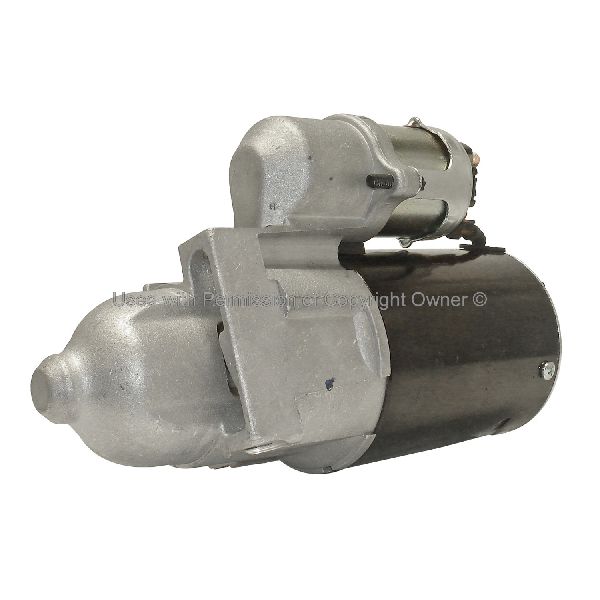
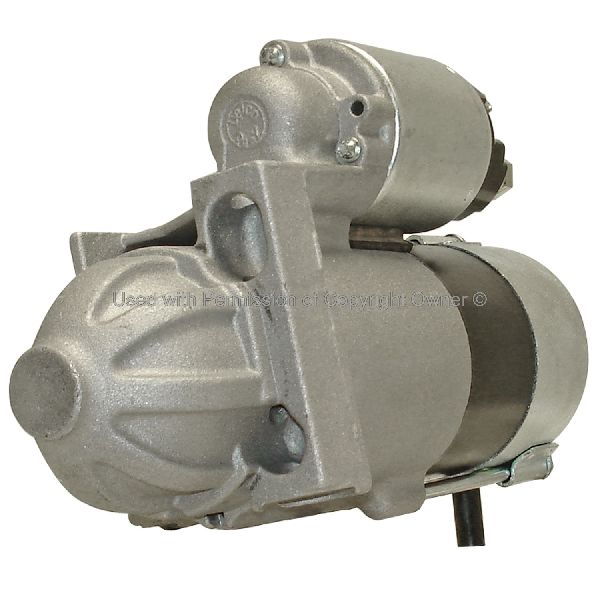
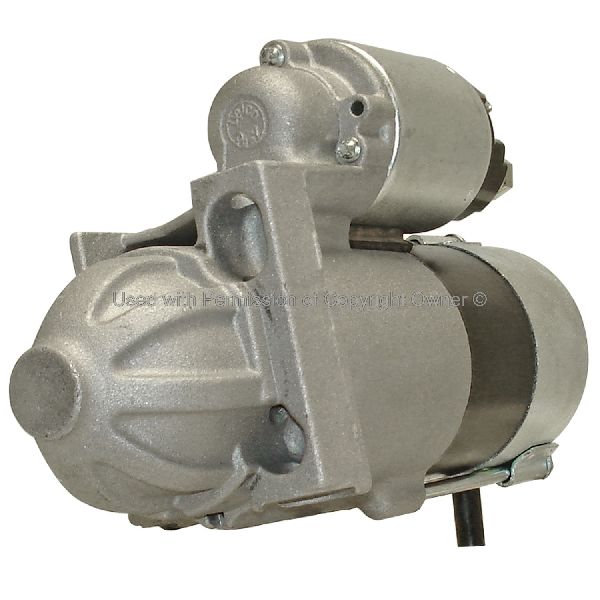
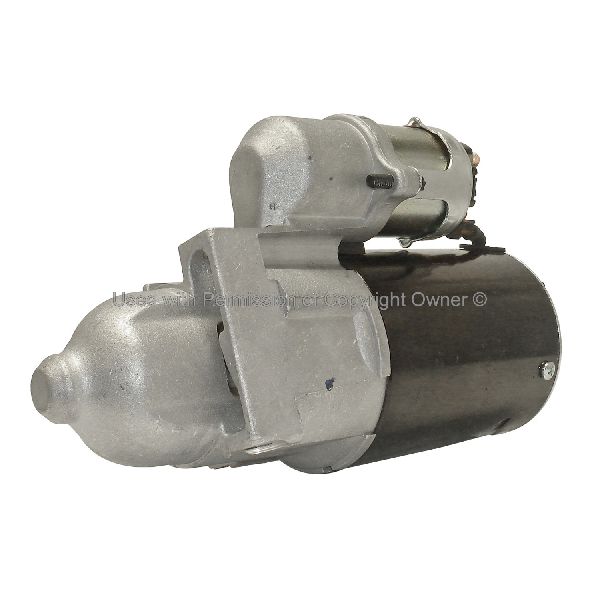
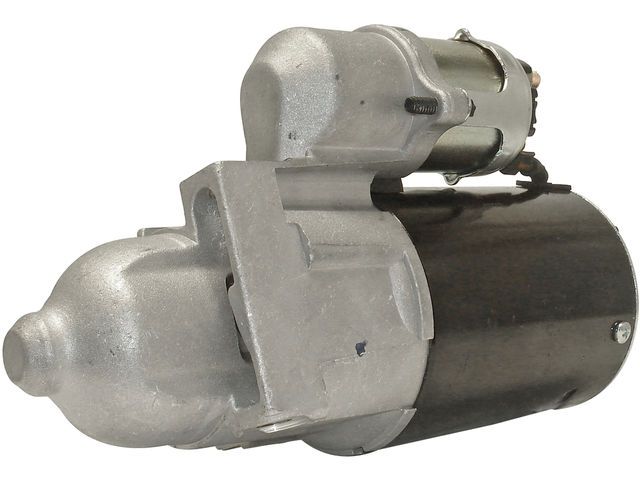
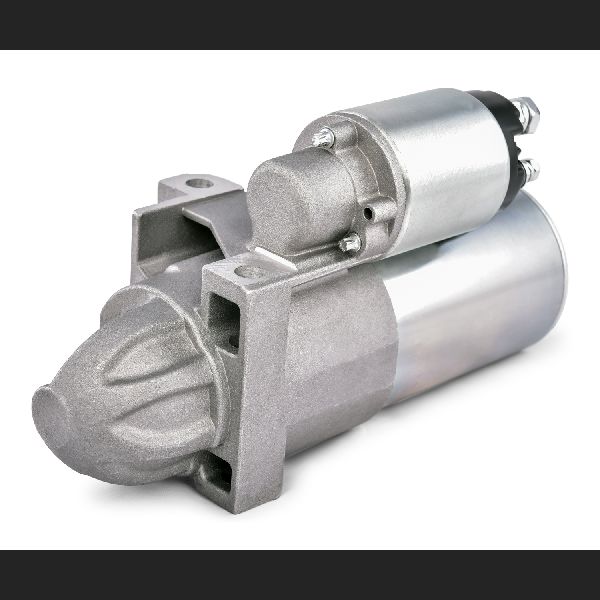
For the 1993-1997 GMC Jimmy, the original starter is a large, direct-drive unit. Many aftermarket options are smaller, lighter gear-reduction units that provide more torque and better clearance. Here’s a breakdown of available brands.
Brand Tiers
- OEM-Equivalent Quality (ACDelco): As the original equipment manufacturer for GM, ACDelco is the benchmark for fit and reliability. Their parts are built to the original specifications and are a safe, dependable choice for a daily driver.
- High-Performance (Powermaster): Powermaster specializes in high-torque starters that are often smaller and more powerful than the original. They are highly regarded for their strong cranking ability, especially on engines with higher compression or those suffering from heat soak.
- Value Performance (Proform, MPA):
- Proform: This brand also offers high-torque, gear-reduction starters. Reviews are mixed; some users are very happy with the performance, while others have reported early failures or difficulties with installation and shimming.
- MPA (Quality-Built): Motorcar Parts of America sells starters under the Quality-Built brand, which are designed to meet or exceed original specifications. They are a solid, standard replacement option.
Cost of Replacing a Starter Motor
The cost can vary based on the part you choose and local labor rates. Here are some typical price ranges:
| Item | Estimated Cost |
|---|---|
| New Aftermarket Part | $103.63 - $320.79 |
| New OEM Part | $164 - $440 |
| Shop Labor | $112 - $164 |
| Total Professional Replacement | $335 - $710 |
A Note on Installation
Replacing the starter on a 1993-1997 Jimmy can be tricky due to tight space, especially on 4x4 models. The starter is located on the passenger side of the engine. Accessing the two mounting bolts and the electrical connections can be difficult. You may need a universal joint and extensions for your ratchet to reach the bolts. Always disconnect the negative battery terminal before starting this job to prevent electrical shorts.
Frequently Asked Questions (FAQ)
Is it my battery or my starter?
A simple test can help. Turn on your headlights and try to start the engine. If the headlights dim significantly or go out, your battery is likely weak or has a bad connection. If the headlights stay bright while the starter clicks or does nothing, the problem is more likely the starter motor itself.
Can I drive my Jimmy with a bad starter?
No. If the starter fails, the engine will not crank, leaving you stranded. Intermittent problems will eventually become a complete failure, so it's best to replace a failing starter as soon as possible.
Why does my new starter just click?
If a new starter clicks, the most common reason is still a lack of power. Double-check that your battery is fully charged and that all cable connections at the battery and the starter are clean and tight. A new starter can't work correctly without enough electricity.
Is a high-torque mini starter worth it for my Jimmy?
For most stock 4.3L V6 engines, a standard replacement is fine. However, if you live in a very cold climate, have engine modifications, or experience starting problems when the engine is hot (heat soak), a high-torque starter can be a worthwhile upgrade. They spin the engine faster, making it easier to start under difficult conditions.
Technical Specifications
OEM Part Numbers: 10465167 12564107 19136235
The 1993-1997 GMC Jimmy with the 4.3L V6 engine typically uses a starter with a 2-bolt mounting pattern. Aftermarket replacements are often gear-reduction style for higher torque, while the OEM unit is a larger direct-drive style.
We Have This Part in Stock

The information in this article is provided for general reference and educational purposes only. Vehicle specifications, procedures, and part compatibility can vary by production date, trim level, and region. Always consult your vehicle's factory service manual and verify part numbers before purchasing or performing repairs. Safety-critical components such as airbags, seat belts, and braking systems should be installed by a qualified professional.
- GMC Jimmy: