

Your Complete Guide to the 1993-1997 Mazda MX-6 Throttle Position Sensor
Solving hesitation, rough idle, and power loss in your second-generation MX-6 starts with understanding this critical sensor.
- Verify your engine (2.0L 4-cylinder vs. 2.5L V6) before ordering, as they use different TPS parts.
- Symptoms like hesitation, rough idle, and poor acceleration are classic signs of a failing TPS on this vehicle.
- A new sensor MUST be adjusted with a voltmeter after installation to function correctly.
- Avoid the cheapest no-name brands; a quality aftermarket part from a known brand is a more reliable investment.
Is Your MX-6 Experiencing Engine Trouble? The TPS Could Be the Culprit
If your 1993-1997 Mazda MX-6 is hesitating, idling poorly, or feels down on power, a failing Throttle Position Sensor (TPS) is a common suspect. Over time, the internal parts of the sensor wear out from the constant movement of the throttle. This wear creates 'dead spots' in the signal sent to the computer, leading to a variety of driveability problems. Symptoms can start as minor annoyances but will worsen as the sensor degrades further.
Common Symptoms of a Failing TPS on a Mazda MX-6
- Hesitation or Stumbling: The car may hesitate or bog down when you press the gas pedal.
- Poor Acceleration: You might feel a significant lack of power, even with the pedal pressed down.
- Rough or High Idle: The engine may idle erratically, too high, or even stall when you come to a stop.
- Jerking or Bucking: The car might buck or jerk during deceleration.
- Automatic Transmission Problems: On automatic models, you may experience harsh or delayed shifting.
- Check Engine Light: A faulty TPS can trigger the check engine light. You might see diagnostic trouble codes (DTCs) like P0120, P0121, P0122, or P0123.
Important: 4-Cylinder vs. V6 Engine
The 1993-1997 Mazda MX-6 was available with a 2.0L 4-cylinder engine and a 2.5L V6 engine. These two engines use different Throttle Position Sensors. It is critical to order the correct part for your specific engine to ensure proper fit and function. The V6 model uses OEM part number KL01-18-911, while the 4-cylinder uses FS01-13-SL0.
Choosing the Right Aftermarket TPS: Brand Quality Matters
With original Mazda (OEM) sensors becoming harder to find and more expensive for a vehicle of this age, the aftermarket is the go-to for most owners. However, not all aftermarket parts are created equal. Forum discussions among car enthusiasts often warn against the cheapest, unbranded sensors, which are known to fail quickly. For a critical sensor like the TPS, it's wise to invest in a recognized brand.
Here’s a breakdown of available brand tiers:
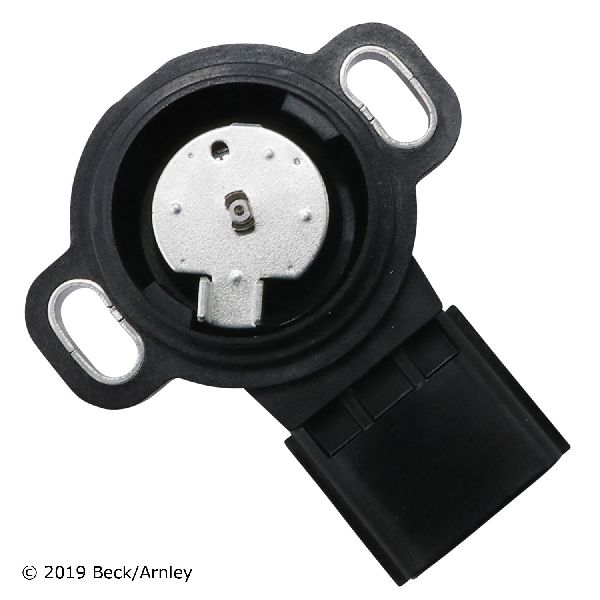
- Premium Aftermarket (e.g., Standard Ignition, Beck Arnley): These brands aim to meet or exceed original equipment specifications. Standard Ignition (SMP) is often well-regarded for its testing and quality control. Beck Arnley focuses on matching the OE part for foreign nameplates, though some community feedback suggests quality can vary.
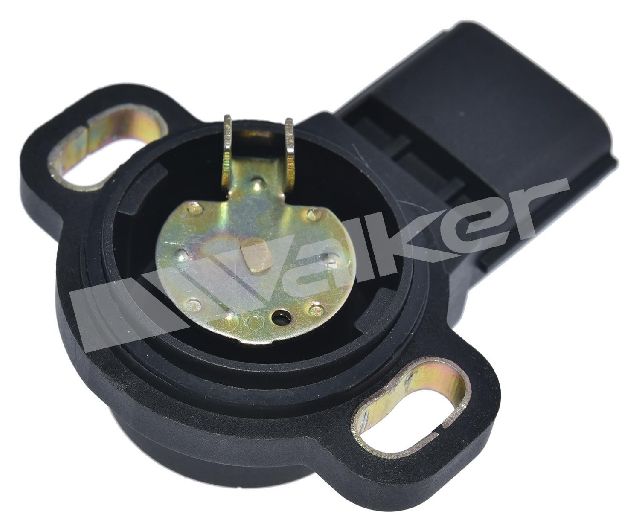
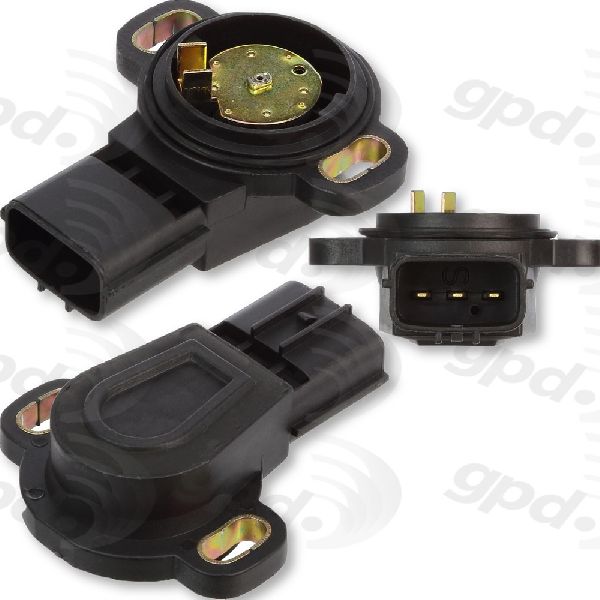
- Standard Aftermarket (e.g., Walker Products, Global Parts): Brands like Walker Products are established manufacturers that produce a wide range of sensors. They state their parts are 100% tested and designed to ensure proper fit and performance. These offer a balance of price and quality for daily drivers.
- Economy Aftermarket (e.g., Replacement brand): While the low price is tempting, these parts are a gamble. They may work initially, but premature failure is a common complaint, leading you to do the job all over again. These are best avoided unless it's a temporary fix.
Pro Tip: Adjustment is Key
Simply installing a new TPS is not enough. For the 1993-1997 MX-6, the sensor must be properly adjusted with a voltmeter and feeler gauges to ensure the idle switch and voltage readings are correct as the throttle opens and closes. Skipping this step can lead to the same performance issues you were trying to fix. If you are not comfortable with this procedure, it is best to have a professional mechanic perform the installation.
Cost of a New Throttle Position Sensor for a 1993-1997 Mazda MX-6
| Part Type | Estimated Cost |
|---|---|
| New Aftermarket | $27.51 - $156.06 |
| Shop Labor | $65 - $125 |
| New OEM | $150+ (May be discontinued or difficult to find) |
| Used OEM | $25 - $75 (Availability and condition vary) |
Frequently Asked Questions (FAQ)
Can I just clean my old TPS?
No, the Throttle Position Sensor is a sealed electronic component. The failure is internal wear on a resistive track, which cannot be cleaned or repaired. While you have the sensor off, it is a good idea to clean any carbon buildup from the throttle body itself, but the sensor must be replaced.
Is there a recall on the MX-6 throttle position sensor?
No, there are no specific safety recalls issued by the NHTSA for the throttle position sensor on the 1993-1997 Mazda MX-6. There was a recall for the ignition switch (NHTSA Campaign ID: 15V674), but this is an unrelated part.
What tools do I need to replace the TPS?
For the replacement itself, you'll need basic hand tools like a screwdriver or small socket set. However, for the critical adjustment step, you will need a digital multimeter (voltmeter) and a set of feeler gauges.
What's the difference between the TPS and the idle air control (IAC) valve?
The TPS reads the throttle plate angle based on your foot on the gas pedal. The IAC valve is a separate component that the car's computer uses to control idle speed by allowing a small amount of air to bypass the closed throttle plate. While a bad IAC valve can also cause idle problems, it typically does not cause the hesitation and power loss during acceleration associated with a bad TPS.
Technical Specifications
OEM Part Numbers: KL01-18-911 (For 2.5L V6) FS01-13-SL0 (For 2.0L 4-Cyl)
Variable resistor type sensor with integrated idle switch. Mounts to the throttle body assembly.
We Have This Part in Stock


The information in this article is provided for general reference and educational purposes only. Vehicle specifications, procedures, and part compatibility can vary by production date, trim level, and region. Always consult your vehicle's factory service manual and verify part numbers before purchasing or performing repairs. Safety-critical components such as airbags, seat belts, and braking systems should be installed by a qualified professional.
- Mazda MX-6:
- 🛍️ Shop This Part
- Is Your MX-6 Experiencing Engine Trouble? The TPS Could Be the Culprit
- Common Symptoms of a Failing TPS on a Mazda MX-6
- Important: 4-Cylinder vs. V6 Engine
- Choosing the Right Aftermarket TPS: Brand Quality Matters
- Pro Tip: Adjustment is Key
- Cost of a New Throttle Position Sensor for a 1993-1997 Mazda MX-6
- Frequently Asked Questions (FAQ)
- 🎟️ Get 5% Off