

A/C Accumulator Guide for the 1993-1998 Buick LeSabre
If your LeSabre's A/C is getting weak, the accumulator might be the culprit; here's how to choose the right replacement.
- The A/C accumulator must be replaced any time the A/C system is opened for major service to protect the compressor.
- Always replace the orifice tube and O-ring seals along with the accumulator.
- Replacement requires specialized equipment for refrigerant recovery and system recharging; this is not a simple DIY job.
- For this vehicle, reputable aftermarket brands like ACDelco, Four Seasons, and GPD offer good quality and value.
Is Your LeSabre's A/C Blowing Warm Air?
As your 1993-1998 Buick LeSabre ages, its air conditioning parts begin to wear out. A common failure point is the A/C accumulator. This part is not just a filter; it's a safeguard for your entire A/C system. When it fails, moisture and debris can destroy more expensive components like the compressor. Replacing a bad accumulator is key to keeping your A/C blowing cold for years to come.
Symptoms of a Failing A/C Accumulator
A bad accumulator will give you a few clear warning signs. Catching them early can save you from a more expensive repair down the road.
- Weak Cooling Performance: If the air from your vents is only slightly cool or warm, it's the most common symptom. This can happen if the accumulator is clogged or if the desiccant bag inside has broken, spreading material through the system and causing a blockage.
- Rattling Noises: A rattling sound from the engine bay when the A/C is on can point to a problem. This may mean internal parts of the accumulator have broken loose.
- Visible Refrigerant Leaks: While not as common, the accumulator can corrode and leak. You might see a greasy, oily residue on the canister or on the ground beneath it.
- A/C System Stops Working: If the desiccant bag ruptures, it can clog the system's orifice tube, leading to very high pressure on one side and low pressure on the other, causing the A/C to stop working entirely. One owner of a '95 LeSabre found "black gritty mud" in the system, indicating a severe internal failure that requires flushing.
Pro Tip: Replace, Don't Wait
Mechanics recommend replacing the A/C accumulator any time the A/C system is opened for a major repair, like a compressor or condenser replacement. Since the accumulator's job is to absorb moisture, opening the system will expose it to air and saturate the desiccant, making it ineffective. It's a cheap part that protects the expensive ones.
Choosing the Right Aftermarket A/C Accumulator
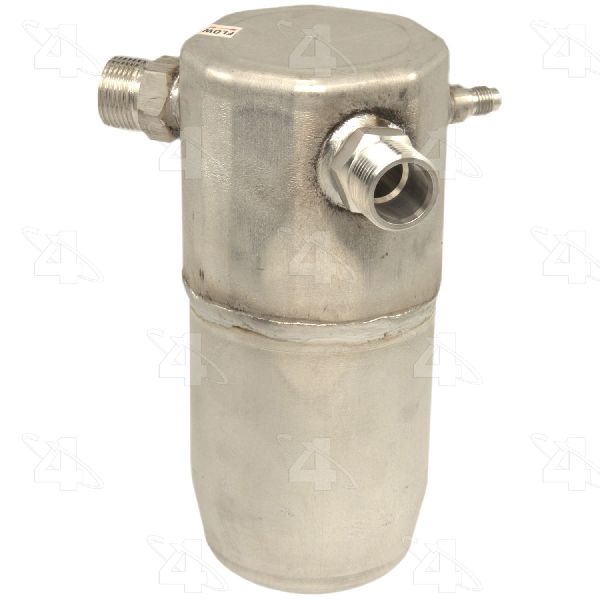
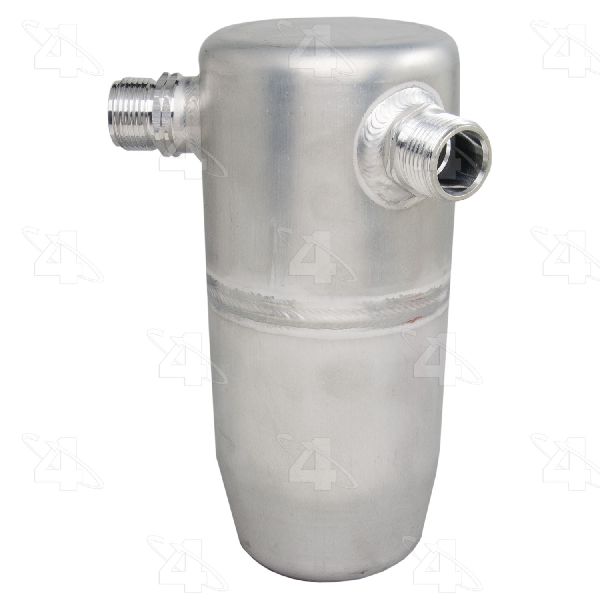
For a vehicle like the 1993-1998 LeSabre, aftermarket A/C accumulators offer excellent value. The technology is simple, and brands like ACDelco, Four Seasons, and Global Parts (GPD) all provide reliable options. The main difference often comes down to the quality of the internal desiccant material and construction.
- ACDelco: As a GM-affiliated brand, ACDelco is a trusted choice. Their parts are designed to meet original equipment specifications. While they might be slightly more expensive, they are a safe bet for fit and quality.
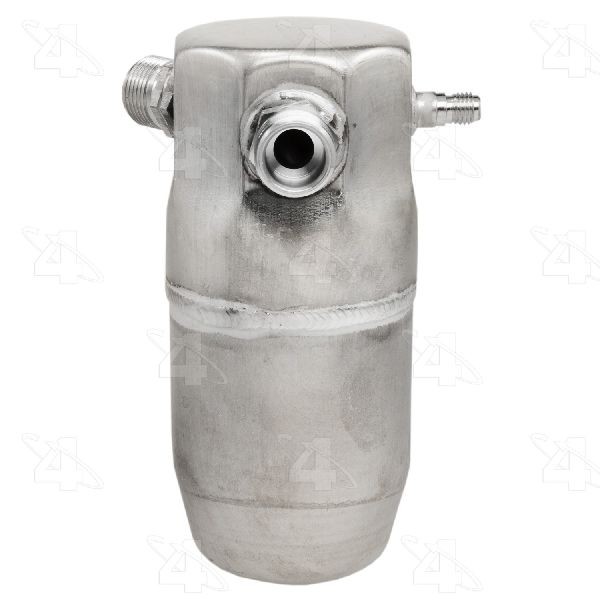
- Four Seasons (SMP): Four Seasons is a major aftermarket A/C parts manufacturer and is well-regarded for its quality and reliability. Many professional mechanics use and trust this brand for daily repairs.
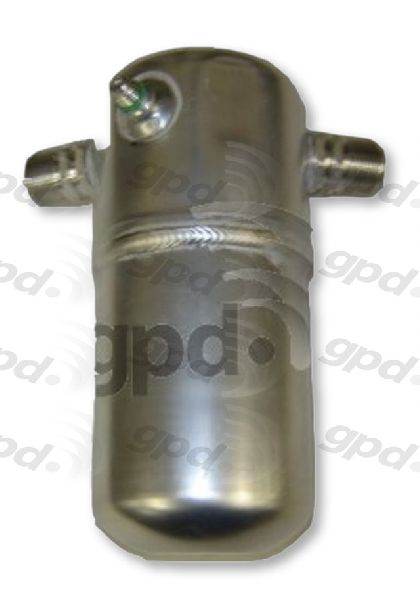
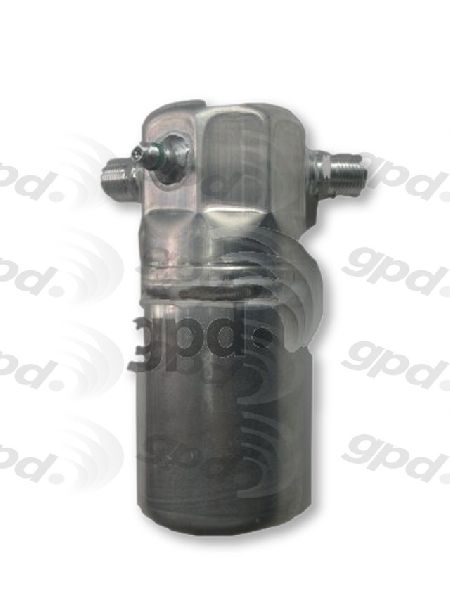
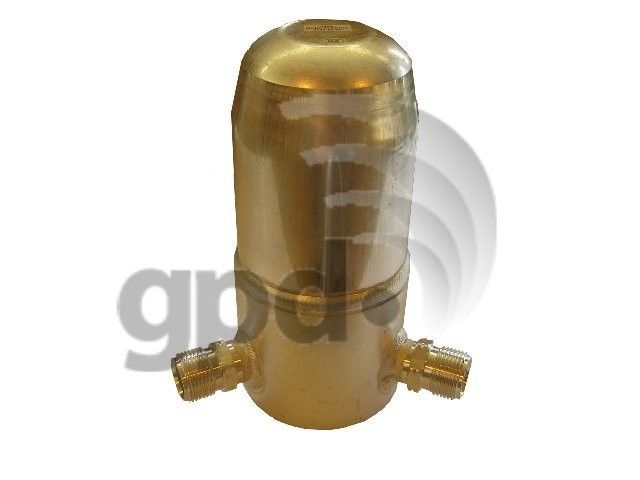
- Global Parts (GPD): GPD is another large aftermarket supplier offering a wide range of A/C components. They are known for providing good quality parts at a competitive price.
For this specific part on an older vehicle, any of these brands will serve you well. The most important factor is that you replace the part whenever the system is serviced to ensure longevity.
| Part/Service | Estimated Cost |
|---|---|
| New Aftermarket A/C Accumulator | $31.18 - $45.08 |
| Shop Labor (including system evacuation & recharge) | $95 - $215 |
| Total Estimated Cost | $126 - $260 |
Important: A/C System Evacuation and Recharge Required
You cannot simply swap out an A/C accumulator. The job requires special tools to safely recover the old refrigerant, pull a vacuum to remove all moisture from the system, and then recharge it with the correct amount of R-134a refrigerant. Failure to pull a vacuum will leave moisture in the system, which creates acid and causes internal corrosion. This is a job best left to a professional mechanic if you don't have the equipment.
Frequently Asked Questions
Do I need to replace anything else with the accumulator?
Yes. It is mandatory to replace the A/C orifice tube at the same time as the accumulator. The orifice tube is a small filter that often gets clogged with debris, and failing to replace it can cause your new parts to fail quickly. You should also replace all the rubber O-ring seals on the lines you disconnect.
Can I replace the A/C accumulator myself?
While physically removing and installing the part is straightforward, the full job is not recommended for beginners. It requires specialized and expensive A/C service equipment like a refrigerant recovery machine and a vacuum pump. Improperly handling refrigerant is illegal and harmful to the environment.
Is there a difference between an accumulator and a receiver/drier?
Yes. They perform a similar function of removing moisture, but are used in different types of A/C systems. Your Buick LeSabre uses an orifice tube system, which requires an accumulator on the low-pressure side. Systems with an expansion valve use a receiver/drier on the high-pressure side.
Will a bad accumulator cause a moldy smell?
Sometimes, but not directly. A moldy smell from the vents is usually caused by mold growing on the evaporator core. However, a failing accumulator that allows moisture into the system can contribute to an environment where mold can grow.
Technical Specifications
System uses R-134a refrigerant. Accumulator is located on the low-pressure side between the evaporator and compressor. Replacement requires new O-rings and a new orifice tube.
We Have This Part in Stock

The information in this article is provided for general reference and educational purposes only. Vehicle specifications, procedures, and part compatibility can vary by production date, trim level, and region. Always consult your vehicle's factory service manual and verify part numbers before purchasing or performing repairs. Safety-critical components such as airbags, seat belts, and braking systems should be installed by a qualified professional.
- Buick LeSabre: