

A Guide to Suspension Shock Mounts for the 1993-2000 BMW M3 (E36)
Don't let the E36 M3's most notorious weak point leave you with a huge repair bill; here's what you need to know.
- The rear shock mount (RSM) is a known major weak point on all 1993-2000 E36 M3s that can lead to chassis damage.
- Installing rear shock mount reinforcement plates is mandatory to prevent the shock from punching through the trunk floor.
- Aftermarket mounts from brands like Nolathane or heavy-duty rubber versions are often more durable than the stock BMW parts.
- Always inspect the shock towers in the trunk for cracks or deformation before and during installation.
The E36 M3's Achilles' Heel: Rear Shock Tower Failure
If you own a 1993-2000 E36 M3, the single most important suspension issue to be aware of is the weakness of the rear shock towers. The sheet metal in this area is thin and fatigues over time, especially with stiffer-than-stock suspension. This fatigue can cause the metal to bend, crack, or deform in a problem known as "mushrooming." In a worst-case scenario, the shock absorber can punch completely through the trunk floor, resulting in a sudden loss of control and requiring expensive welding to repair the chassis. The front strut towers can also crack or mushroom on hard-driven cars, but the rear is far more common and critical.
Symptoms of a Bad Shock or Strut Mount
Failing mounts will give you clear warning signs. Don't ignore them, as they can be a prelude to serious chassis damage.
- Clunking or Thudding Noises: This is the most common symptom. You'll hear clunks, rattles, or bangs from the rear of the car when driving over bumps or uneven pavement.
- Poor Handling: The rear of the car may feel unstable, loose, or like it's trying to steer itself. This is caused by the top of the shock moving around instead of being held firmly in place.
- Visual Deformation: Open your trunk and pull back the side carpeting to inspect the top of the shock towers. Look for any bending, cracks, or see if the center bolt of the mount is pushing upwards.
- Front End Noise: Worn front strut mounts often cause a "popping" or grinding noise when turning the steering wheel at low speeds.
Reinforcement Plates Are Not Optional
Due to the E36 chassis flaw, installing rear shock mount reinforcement plates is mandatory maintenance. These simple metal plates distribute suspension forces over a wider area, dramatically reducing stress on the weak shock tower sheet metal. BMW even created its own plates for later models to address the problem. Skipping this step, even with stock-style replacement mounts, puts your car at high risk for expensive damage.
Choosing the Right Aftermarket Mount
For this specific part on the E36 M3, aftermarket options are often considered direct upgrades over the original factory mounts, which are known to be too soft and fail. Here’s a breakdown of your choices:
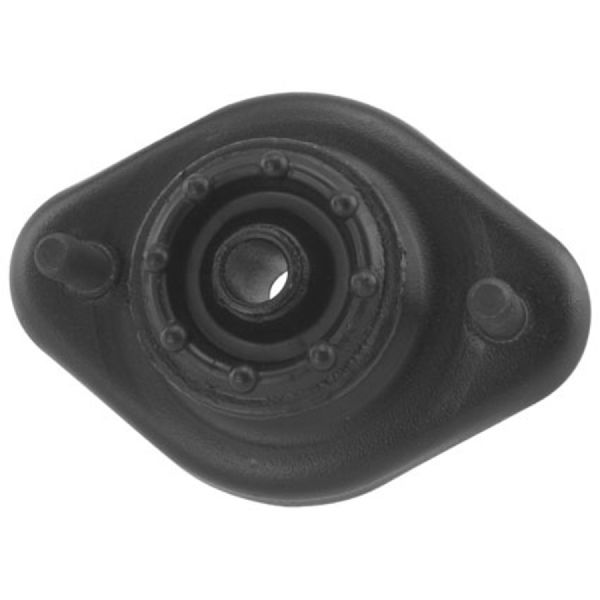
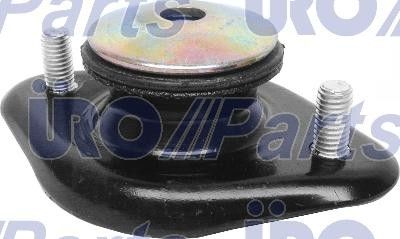
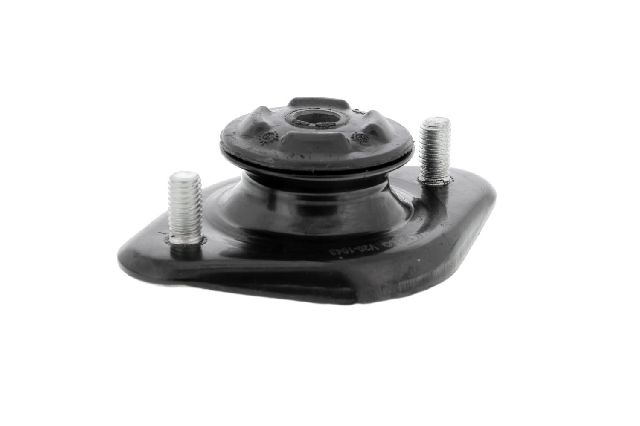
- Standard Replacement (Good): Brands like URO Parts and Vaico offer direct-fit, OEM-style rubber mounts. These are the most affordable option and will restore the original ride quality. However, they use a soft rubber design similar to the original and are not recommended for performance driving or lowered cars. They should always be paired with reinforcement plates.
- Heavy-Duty Rubber (Better): Brands like KYB often offer an OEM-quality or slightly upgraded rubber compound. These mounts provide a longer lifespan than standard replacements with little to no increase in ride harshness, making them a great choice for a daily driven M3.
- Polyurethane & Billet (Best): For enthusiasts, brands like Nolathane offer mounts using polyurethane instead of rubber. These are much stiffer and more durable, providing better suspension response and a longer life. They may transmit slightly more noise and vibration into the cabin but offer the best protection against failure, especially for spirited driving or track use.
| Part Type | Price Range (Per Pair) |
|---|---|
| New Aftermarket (Standard/HD Rubber) | $30 - $70 |
| New Aftermarket (Polyurethane/Performance) | $70 - $150+ |
| New OEM (Genuine BMW) | $100 - $180 |
Pro Tip: Check Your Shock Diameter
Most factory and aftermarket shocks for the E36 M3 use a 10mm top shaft. However, some performance shocks use a 12mm shaft. Always check your shock absorber size before ordering mounts to ensure correct fitment.
Frequently Asked Questions (FAQ)
Is there a recall on the E36 M3 shock mounts?
No, there has never been an official safety recall issued by the NHTSA for the shock mounts on the 1993-2000 BMW M3. However, the issue was well-known enough that BMW began selling reinforcement plates to address the chassis weakness.
Can I replace the shock mounts myself?
Replacing the rear shock mounts is a DIY-friendly job for someone with basic mechanical skills. They are accessed by removing the carpeting in the trunk. The front strut mounts are more difficult because the job requires a spring compressor to safely disassemble the strut assembly.
Should I replace front and rear mounts at the same time?
It's good practice, but not required. The rear mounts fail much more frequently and are more critical. If you hear clunking from the rear, prioritize replacing the rear mounts and reinforcement plates immediately. If your budget allows, replacing all four corners will provide the most consistent handling and ride quality.
What happens if I don't use reinforcement plates?
You are running a significant risk of the shock mount studs pulling through the sheet metal or causing the entire shock tower to deform and crack. This leads to a costly and complex welding repair. The small cost of reinforcement plates is cheap insurance against catastrophic chassis damage.
Technical Specifications
OEM Part Numbers: 31332228345 33521092362 51717036781
Fits 1993-2000 BMW M3 (E36 Chassis). Includes front strut mounts and rear shock mounts. Rear mounts are a known failure point. Reinforcement plates are required for rear mount replacement. Check for 10mm or 12mm shock shaft diameter.
We Have This Part in Stock

The information in this article is provided for general reference and educational purposes only. Vehicle specifications, procedures, and part compatibility can vary by production date, trim level, and region. Always consult your vehicle's factory service manual and verify part numbers before purchasing or performing repairs. Safety-critical components such as airbags, seat belts, and braking systems should be installed by a qualified professional.
- BMW M3: