

Subaru Impreza Engine Coolant Temperature Sensor Guide (1993-2000)
Solve poor running conditions and ensure your Impreza's engine health by understanding this critical sensor.
- Verify you are replacing the correct two-wire ECU sensor, not the one-wire gauge sender on 1993-98 models.
- Symptoms like poor MPG, black smoke, and rough idle are directly linked to this sensor.
- Do not ignore a check engine light with ECT sensor codes, as it can lead to engine overheating or poor performance.
- Choosing a quality aftermarket brand like Delphi, NGK, or Beck Arnley is a reliable alternative to OEM.
Is Your Impreza's Coolant Temp Sensor Failing?
A bad Engine Coolant Temperature (ECT) sensor can cause a range of confusing problems. Because the sensor provides critical data to the engine's computer, a false signal can make the engine behave as if it's always cold, even when it's fully warmed up. This can lead to poor performance and other issues that can be mistaken for more serious engine trouble.
Common Symptoms of a Bad ECT Sensor:
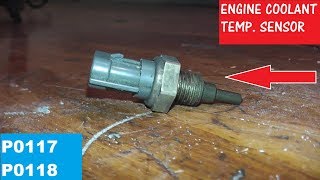
- Check Engine Light: The most common sign is a check engine light. A code like P0115 or P0118 often points directly to a fault in the ECT sensor circuit. 🎬 See how to test and replace a sensor with these codes.
- Poor Fuel Economy: If the ECU thinks the engine is cold, it will inject extra fuel, causing your gas mileage to drop significantly.
- Black Smoke from Exhaust: An overly rich fuel mixture from a bad sensor signal can result in unburnt fuel exiting the exhaust as black smoke.
- Rough Idle or Stalling: The engine may idle poorly, shake, or even stall because the air-fuel mixture and idle speed are incorrect for the actual engine temperature.
- Hard Starting: The car might be difficult to start, especially when the engine is already warm, because the ECU is providing a 'cold start' fuel mixture.
- Cooling Fans Run Constantly or Not at All: The sensor also helps control the radiator fans. A bad sensor might cause the fans to run all the time or, more dangerously, not turn on when the engine is hot, leading to overheating.
Critical Ordering Information: ECU Sensor vs. Gauge Sender
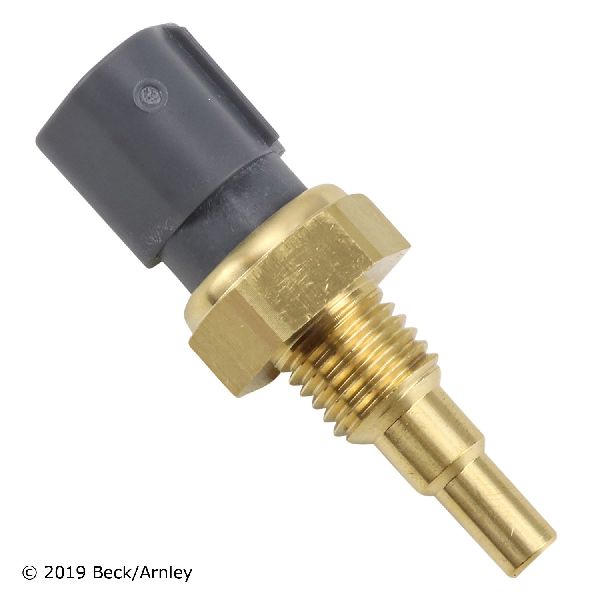
First-generation Imprezas (specifically 1993-1998) use two separate sensors for coolant temperature. The one that affects engine performance is the two-wire ECT sensor that communicates with the ECU. There is also a one-wire temperature sender that only operates the gauge on your instrument cluster. Before ordering, confirm you are replacing the correct part. This guide and its part numbers refer to the two-wire ECU sensor.
Choosing the Right Aftermarket Sensor
While an OEM sensor from Subaru is always a safe bet, quality aftermarket parts can offer reliable performance at a better price. For a critical sensor like this, it's best to avoid the cheapest options, which can fail prematurely. Here’s a general breakdown of available brands:
- Premium Aftermarket (Recommended): Brands like Delphi, NGK/NTK, and Beck Arnley have a strong reputation for producing sensors that meet or exceed OEM specifications. They are trusted choices for reliability.
- Standard Aftermarket: Standard Ignition (SMP) and Holstein are solid mid-tier options that provide a good balance of quality and value for daily drivers.
- Economy Brands: Brands like Motorad, Facet, and Walker Products are budget-friendly. While they can work, they may not have the same long-term durability or precise calibration as higher-tier brands.
Pro Tip: When replacing the sensor, it's a good idea to drain a small amount of coolant first to minimize spillage. Apply a small amount of thread sealant to the new sensor's threads to ensure a leak-free installation, unless it comes with a pre-applied sealant.
Cost of Replacing the Engine Coolant Temperature Sensor
| Part Type | Estimated Cost |
|---|---|
| New OEM (Subaru) | $23 - $40 |
| New Aftermarket | $12 - $52 |
| Shop Labor | $75 - $150 |
Frequently Asked Questions (FAQ)
Where is the ECT sensor located on a 1993-2000 Impreza?
The ECT sensor is located on the coolant crossover pipe on top of the engine block, under the intake manifold. 🎬 Watch this video to see the sensor's exact location. On many models, it is near the passenger side, and you may need to move the alternator or other components for easier access. It is the sensor with the two-wire electrical connector.
Do I need to drain the coolant to replace the sensor?
It is highly recommended to drain at least some of the coolant from the radiator before starting. If you don't, coolant will spill out of the sensor port when you remove the old one, creating a mess and making it difficult to install the new sensor properly.
Can a bad ECT sensor prevent my car from starting?
Yes, it can cause a hard-start or no-start condition. If the sensor is sending an incorrect signal (e.g., telling the ECU the engine is -40°F), the computer will provide a fuel mixture that is far too rich for the engine to ignite, especially when it's already warm.
What tools do I need to replace the Impreza ECT sensor?
The job requires basic hand tools. You will typically need a ratchet with an extension and a deep well socket (often 19mm, but verify your specific part) to remove and install the sensor. A flathead screwdriver can help release the electrical connector clip.
Helpful Videos


Technical Specifications
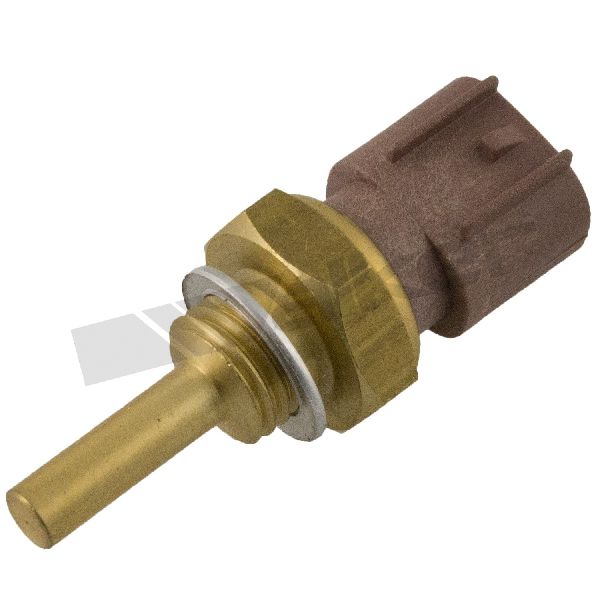
OEM Part Numbers: 22630AA041 22630AA040
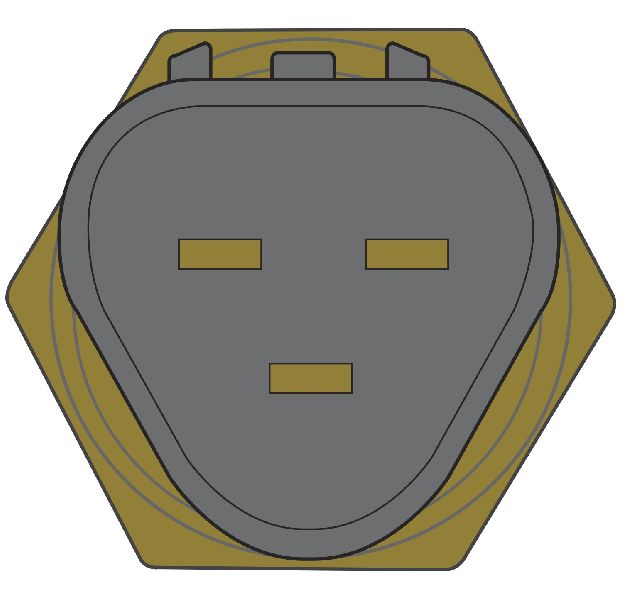
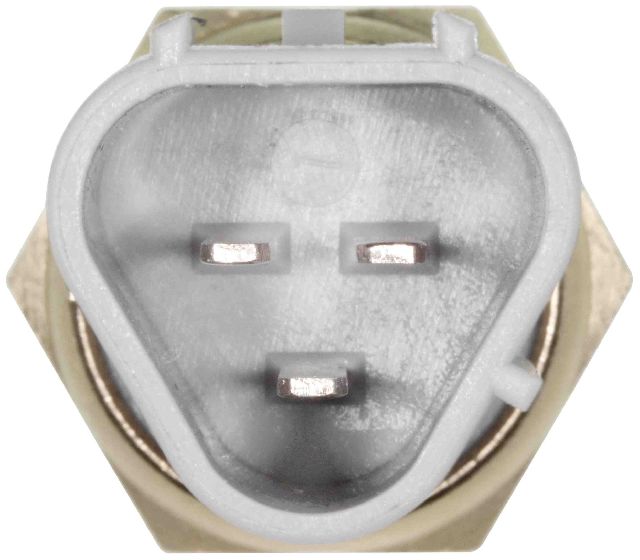
Connector: 2-Pin. Thread: Varies, confirm with part.
We Have This Part in Stock


The information in this article is provided for general reference and educational purposes only. Vehicle specifications, procedures, and part compatibility can vary by production date, trim level, and region. Always consult your vehicle's factory service manual and verify part numbers before purchasing or performing repairs. Safety-critical components such as airbags, seat belts, and braking systems should be installed by a qualified professional.
- Subaru Impreza:
- 🎬 Helpful Videos
- 🛍️ Shop This Part
- Is Your Impreza's Coolant Temp Sensor Failing?
- Common Symptoms of a Bad ECT Sensor:
- Critical Ordering Information: ECU Sensor vs. Gauge Sender
- Choosing the Right Aftermarket Sensor
- Cost of Replacing the Engine Coolant Temperature Sensor
- Frequently Asked Questions (FAQ)
- 🎟️ Get 5% Off