

A Guide to Replacing the Radiator in Your 1993-2001 Nissan Altima
Keep your Altima's engine from overheating by understanding the signs of a failing radiator and choosing the right replacement part.
- The most common point of failure is the plastic end tanks cracking or separating from the aluminum core due to age.
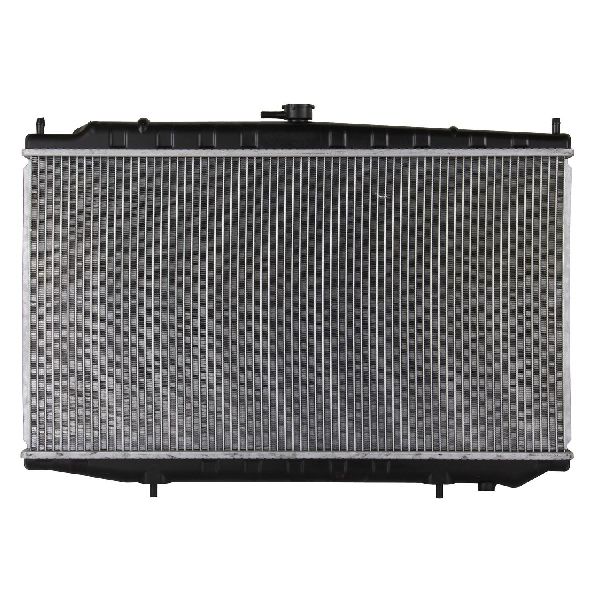
- A quality aftermarket radiator from a brand like Spectra, CSF, or Koyorad is a reliable and cost-effective solution.
- While replacing the radiator, it is highly recommended to also replace the upper and lower radiator hoses and the radiator cap.
- The job is straightforward and can be done by a DIYer with basic tools in an afternoon.
Is Your Altima's Radiator Failing?
Radiators don't last forever, especially the original ones found in the 1993-2001 Nissan Altima. The most common problem is age-related failure of the plastic end tanks. Over many years of heating up and cooling down, the plastic becomes brittle and can crack or separate from the aluminum core, causing coolant to leak out.
Key Symptoms of a Bad Radiator:
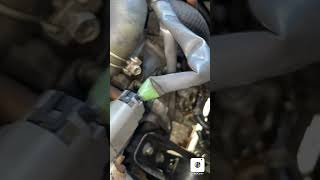
🎬 Watch: How to diagnose common Nissan engine overheating problems- Engine Overheating: The most obvious sign. Your dashboard temperature gauge will climb into the red zone.
- Visible Coolant Leaks: You may find puddles of bright green, yellow, or pink fluid under the front of your car. This is antifreeze leaking from a crack.
- Low Coolant Level: Constantly needing to add coolant to the overflow reservoir is a sure sign of a leak somewhere in the system.
- Steam from Engine Bay: If you see steam or notice a sweet, syrupy smell after driving, hot coolant is likely leaking onto hot engine parts.
A Special Warning for 2001 Altima Owners
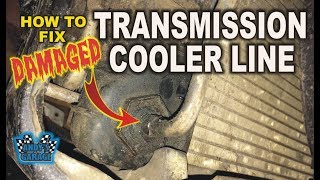
For the 2001 model year, be aware of a severe failure where the internal transmission cooler can crack. This allows coolant to mix with your transmission fluid, creating a pink, milky substance often called the "strawberry milkshake of death 🎬 See how to repair a damaged transmission cooler line" (SMOD). This can quickly destroy your transmission, leading to a much more expensive repair. If you see this, stop driving immediately.
Choosing the Right Aftermarket Radiator
For a vehicle of this age, an aftermarket radiator is the most practical and cost-effective choice. The original factory radiators are now old and prone to the same plastic-tank failures. A new OEM part from a dealer is often prohibitively expensive. Quality aftermarket brands offer reliable performance for a fraction of the price.
Aftermarket Brand Tiers:
- Premium Aftermarket (CSF, Koyorad): Brands like Koyorad and CSF are well-respected for their quality and fitment, often meeting or exceeding original equipment specifications. They are an excellent choice for owners who want the best-available replacement part.
- Quality Standard Replacement (Spectra): Spectra is a widely known and trusted brand that offers a great balance of quality, reliability, and price. Many repair shops and DIYers use Spectra with good results.
- Economy (One Stop Solutions, Onix, Global Parts): These brands provide a functional replacement at the lowest price point. They are a viable option for budget-conscious repairs, but may not have the same long-term durability or precise fit as premium brands.
Pro Tip: Manual vs. Automatic
Nearly all aftermarket radiators for the 1993-2001 Altima are built to fit both automatic and manual transmission models. They will have connections for a transmission fluid cooler. If your Altima has a manual transmission, you can simply ignore these connections; they do not need to be capped.
| Part/Service | Estimated Cost |
|---|---|
| Shop Labor | $185 - $270 |
| New Aftermarket Radiator | $107 - $156 |
| New OEM Radiator | $800 - $900+ |
| Total Professional Replacement (Aftermarket Part) | $292 - $426 |
Frequently Asked Questions (FAQ)
Is it hard to replace the radiator on a 1993-2001 Altima?
No, it is considered a relatively easy job for someone with basic mechanical skills and tools. The process involves draining the coolant, removing the fans and hoses, swapping the radiator, and refilling the system. There are many video guides available online that show the process step-by-step.
🎬 Watch this step-by-step 1998 Altima radiator replacement walkthroughShould I replace my radiator hoses at the same time?
Yes, it is highly recommended. The upper and lower radiator hoses are made of rubber and can become brittle, cracked, or swollen over time. Since you will already be removing them to replace the radiator, installing new hoses at the same time is cheap insurance against a future leak.
Do I need a special type of coolant for my Altima?
Yes, you should use a coolant that is compatible with Nissan vehicles. For this generation, a traditional "green" ethylene glycol-based coolant is typically specified. Always check the coolant bottle to ensure it is compatible with Asian vehicles and aluminum radiators. Using the wrong type can lead to corrosion.
Are there any recalls on the radiator for this Altima?
No, there are no official NHTSA safety recalls for the radiator on the 1993-2001 Nissan Altima. The common failures are due to age and wear, not a specific manufacturing defect that prompted a recall.
Helpful Videos
Technical Specifications
OEM Part Numbers: 21460-1E400 21460-8B500
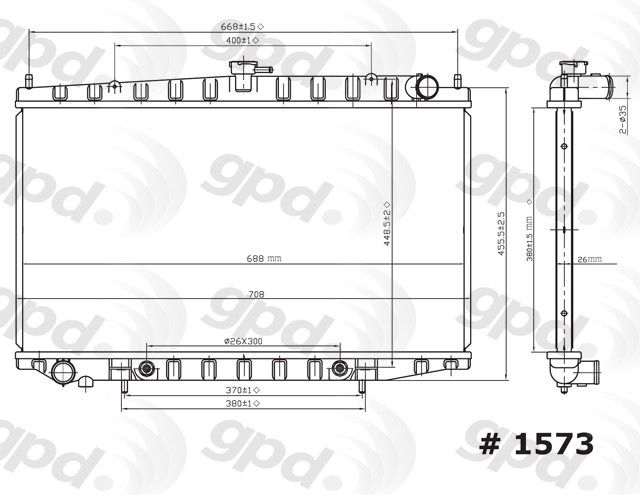
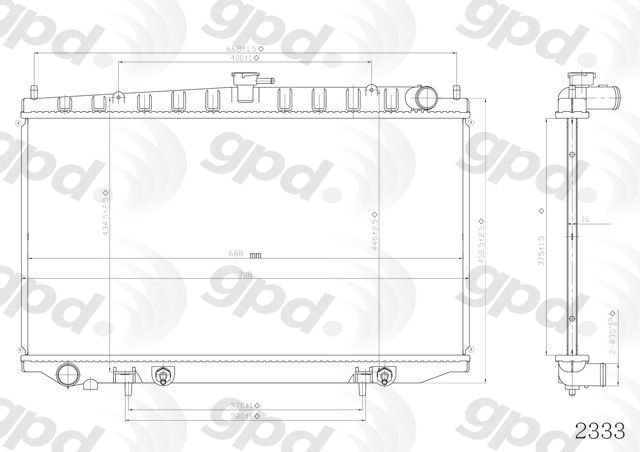
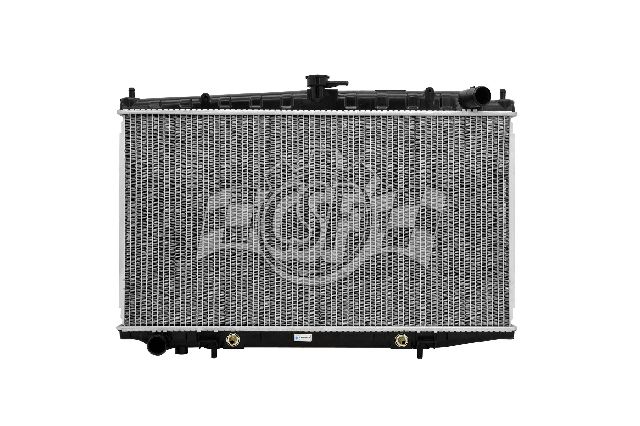
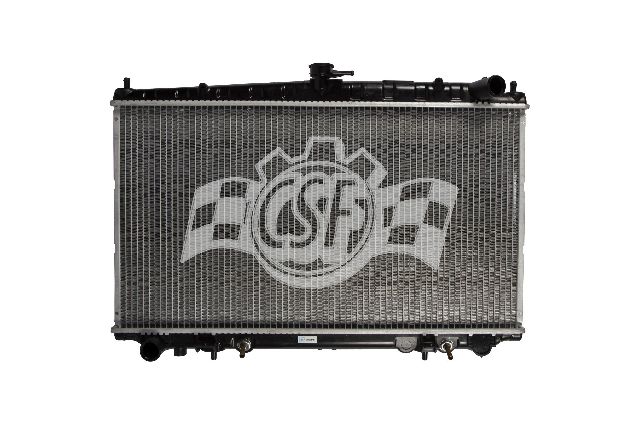
Core Material: Aluminum. Tank Material: Plastic. Core Dimensions (approx): 14.88 in. x 27.19 in. x 0.63 in. Inlet/Outlet Diameter: 1.38 in. All models include an integrated automatic transmission cooler.
We Have This Part in Stock


The information in this article is provided for general reference and educational purposes only. Vehicle specifications, procedures, and part compatibility can vary by production date, trim level, and region. Always consult your vehicle's factory service manual and verify part numbers before purchasing or performing repairs. Safety-critical components such as airbags, seat belts, and braking systems should be installed by a qualified professional.
- Nissan Altima: