

A Guide to the 1993-2002 Toyota Camry Automatic Transmission Mount
Stop the clunks and vibrations in your Camry by understanding and choosing the right replacement transmission mount.
- A loud 'clunk' when shifting into gear is the most definitive symptom of a failed mount on a '93-'02 Camry.
- For this specific part, OEM mounts are highly recommended for ride quality and longevity; many aftermarket options cause vibration.
- If choosing aftermarket, Beck Arnley is the most trusted brand according to owner feedback.
- Inspect all engine and transmission mounts at the same time, as they wear out together.
Is Your Camry's Transmission Mount Failing?
A failing transmission mount on the 1993-2002 Camry is a common issue as the rubber deteriorates from age, heat, and potential fluid leaks. When the mount wears out, it can no longer hold the transmission securely or absorb vibrations, leading to several noticeable problems. Ignoring these symptoms can lead to extra stress on other parts like axles, driveshafts, and even the exhaust system.
Key Symptoms of a Bad Mount:
- Clunking Noises: The most common sign is a distinct "clunk" or "bang" when you shift from Park into Drive or Reverse. You may also hear these noises when accelerating or braking suddenly. This sound is the transmission itself moving and hitting against the frame. 🎬 Watch: See these 7 common bad transmission mount symptoms
- Excessive Vibration: You might feel a new or increased vibration through the steering wheel, floor, or seats. This is often most noticeable when the car is idling in gear at a stoplight.
- Rough Shifting: Gear changes may feel jerky or harsh. This happens because a worn mount can cause the transmission to become misaligned with the shift linkage.
- Visible Movement: A simple test is to have a helper watch the engine while the car is running and the parking brake is on. With your foot firmly on the brake, shift from Park to Drive. If the engine and transmission rock or lurch excessively, the mounts are likely worn out.
OEM vs. Aftermarket: An Honest Assessment for Your Camry
For engine and transmission mounts on this generation of Toyota Camry, there is a significant difference between Original Equipment Manufacturer (OEM) and aftermarket parts. Forum discussions with experienced Camry owners consistently show that OEM mounts provide the best performance and longevity. Many aftermarket mounts, particularly budget-friendly brands, use a harder rubber compound that transmits more vibration into the cabin and can fail in as little as a few months to a couple of years. If you experience increased shaking right after replacing a mount, it's likely due to a lower-quality aftermarket part.
Choosing the Right Aftermarket Brand
If an OEM mount isn't in your budget, the brand you choose matters. Based on owner experiences, aftermarket mounts for the '93-'02 Camry fall into different tiers:
- Premium Aftermarket (Recommended): Beck Arnley is widely regarded as the best aftermarket choice. This brand often sources parts from original equipment suppliers and is known for better fitment and durability compared to other aftermarket options. Owners report that Beck Arnley mounts are less likely to cause the vibration issues common with cheaper brands.
- Standard / Economy Aftermarket: Brands like Anchor, DEA, and Westar are more affordable but have a mixed reputation. Numerous owners have reported that these mounts are too stiff, causing significant cabin vibration, and have a much shorter lifespan. They may be a temporary fix, but you risk having to do the job again sooner than you'd like.
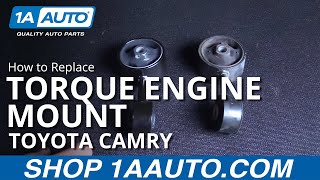
Pro Tip: The 1993-2002 Camry has multiple engine and transmission mounts (typically four total). They all experience similar wear. If one has failed, the others are likely worn as well. It's a good practice to inspect all of them and replace them as a set if needed 🎬 Watch: How to replace all motor and transmission mounts to restore a smooth ride and prevent future failures.
Replacement Cost
The cost to replace a single automatic transmission mount can vary based on the part quality and labor rates in your area.
| Item | Estimated Cost |
|---|---|
| New OEM Part | $150 - $250 |
| New Aftermarket Part | $28 - $90 |
| Shop Labor | $85 - $125 |
| Total (Aftermarket Part + Labor) | $113 - $215 |
| Total (OEM Part + Labor) | $235 - $375 |
Frequently Asked Questions
Can I replace just the one broken transmission mount?
Yes, you can replace only the failed mount. However, all the mounts are the same age. A single failure puts more stress on the remaining mounts, which may cause them to fail soon after. For the best long-term results, it's wise to inspect all mounts and replace any that show signs of cracking, sagging, or oil saturation.
How difficult is it to replace a Camry transmission mount myself?
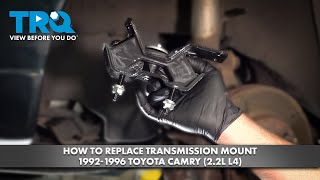
For a DIYer with the right tools, this is a manageable job. It requires safely supporting the transmission with a floor jack and a block of wood before unbolting the old mount and installing the new one. The difficulty is moderate, as access to some bolts can be tight. The estimated time is 1-2 hours.
🎬 See this walkthrough on replacing the mount yourselfAre there any recalls for the 1993-2002 Camry transmission mount?
No, there have been no specific recalls issued by the NHTSA for the automatic transmission mount on the 1993-2002 Toyota Camry.
What happens if I don't replace a bad transmission mount?
Continuing to drive with a failed mount is not recommended. The excessive movement can cause damage to other critical components, including CV joints, axles, exhaust flex pipes, and even the transmission housing itself. What starts as a relatively inexpensive fix can lead to much costlier repairs down the road.
Helpful Videos

Technical Specifications
OEM Part Numbers: 12372-74390 12372-03060 12372-74530 12371-74450 12371-74320
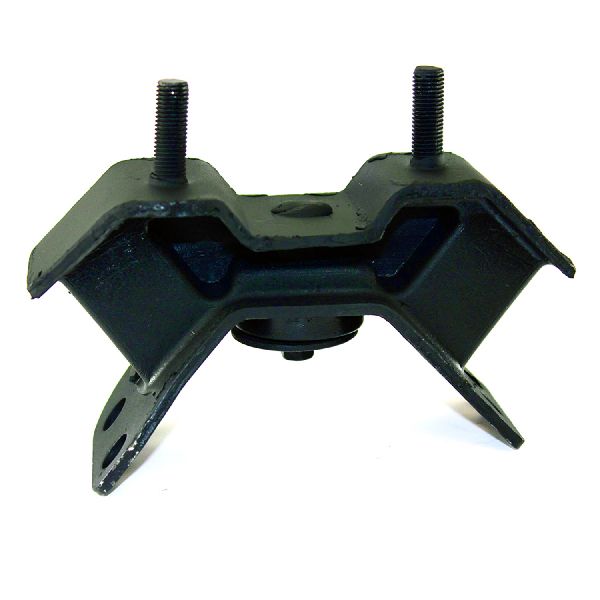
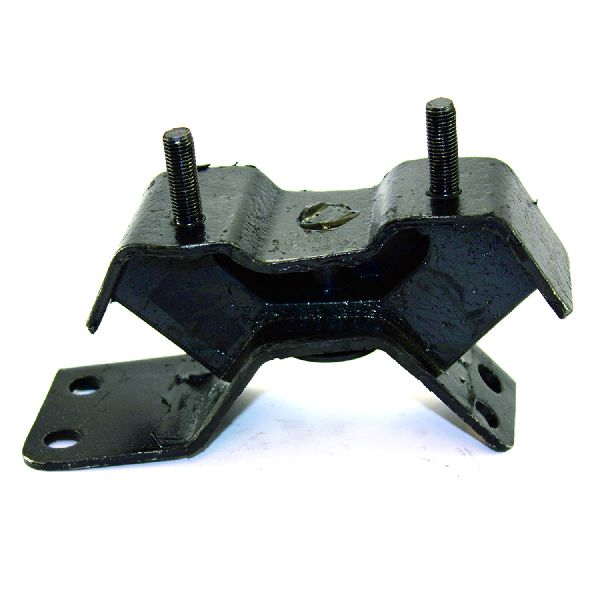
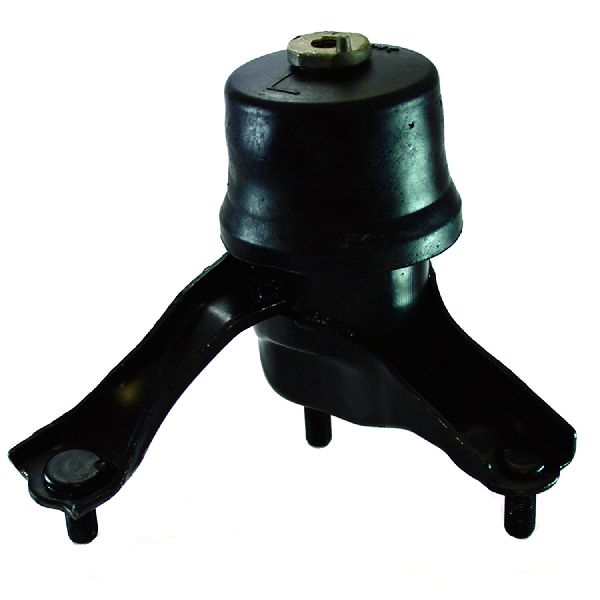
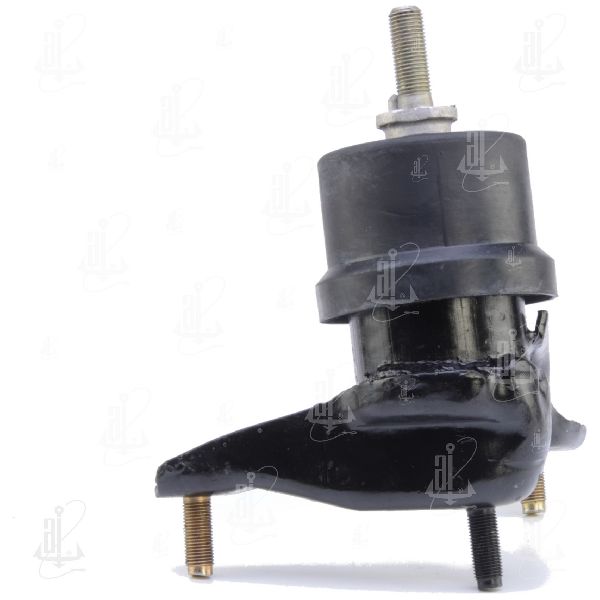
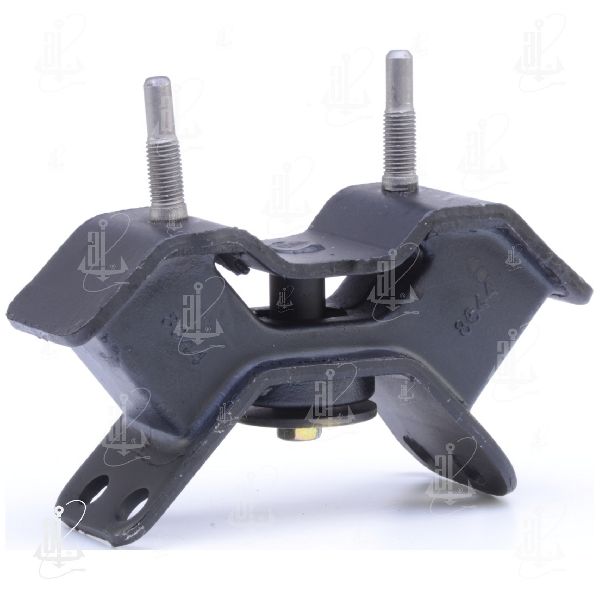
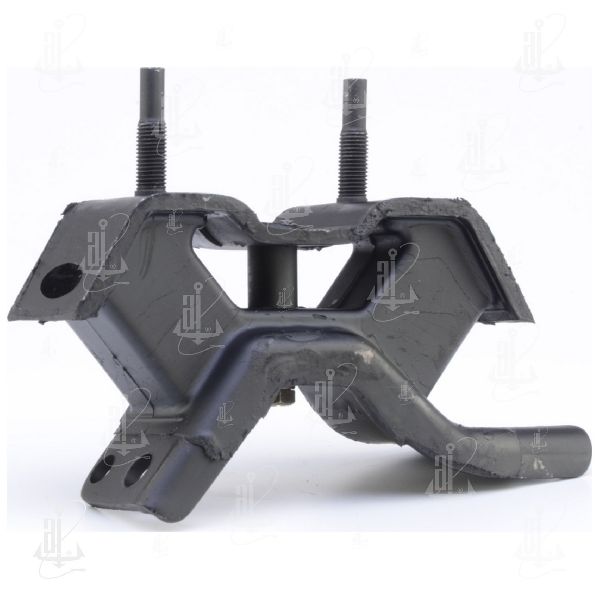
The 1993-2002 Toyota Camry uses a system of four mounts to secure the engine and automatic transmission. The transmission-side mount is typically located on the driver's side of the engine bay. These are solid rubber and metal mounts; some OEM versions may be fluid-filled for better damping.
We Have This Part in Stock

The information in this article is provided for general reference and educational purposes only. Vehicle specifications, procedures, and part compatibility can vary by production date, trim level, and region. Always consult your vehicle's factory service manual and verify part numbers before purchasing or performing repairs. Safety-critical components such as airbags, seat belts, and braking systems should be installed by a qualified professional.
- Toyota Camry: