

Mazda B2300 Vehicle Speed Sensor: A Guide for 1994-1998 Models
Fix your bouncing speedometer and rough shifting by understanding the speed sensor in your 1994-1998 B2300.
- The VSS is the Rear ABS Sensor located on the rear differential, not the transmission.
- A bad sensor directly causes speedometer, ABS, and automatic transmission shifting problems.
- Replacement is very easy (Difficulty 1/5) and requires only a single bolt to be removed.
- If a new sensor doesn't fix the speedometer, the instrument cluster's PSOM module is the next likely culprit.
Is It a VSS or an ABS Sensor? Yes.
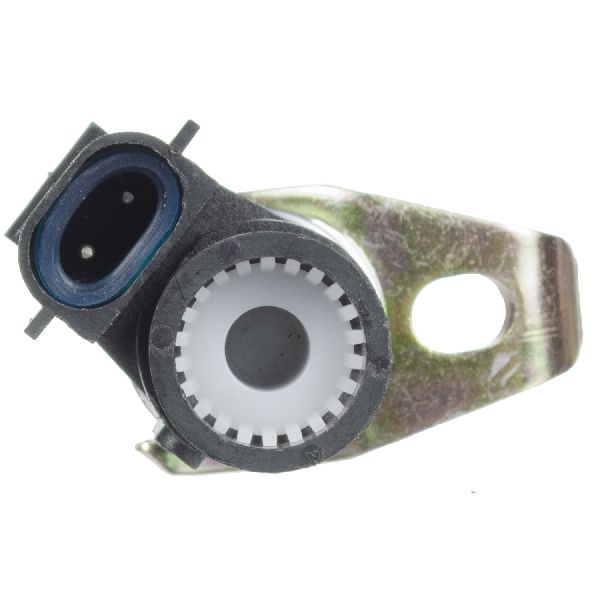
For your 1994-1998 Mazda B2300, the part that tells your speedometer how fast you're going is the Rear ABS Speed Sensor. It is located on the top of the rear differential housing, held in by a single bolt. While some vehicles have a speed sensor on the transmission, trucks like yours use the sensor on the differential to do the job of both a Vehicle Speed Sensor (VSS) and an ABS sensor. This is a very common point of confusion, so be sure you are ordering the correct part for the rear axle, not the transmission.
Symptoms of a Failing Speed Sensor
When this sensor starts to fail, it sends a messy or non-existent signal to your truck's computers. This can cause a number of problems that may seem unrelated at first. The most common signs include:
- Erratic or Dead Speedometer: The needle may bounce around unpredictably, read much lower than your actual speed, or not move at all.
- Harsh Automatic Shifting: Your automatic transmission may shift hard, late, or seem to get stuck in one gear because it doesn't know how fast the truck is moving.
- Cruise Control Won't Engage: The cruise control system needs a steady speed signal to work, so it will shut off or refuse to turn on.
- ABS Light On: Since this sensor is part of the Anti-lock Brake System, a failure will almost always turn on the ABS warning light on your dashboard.
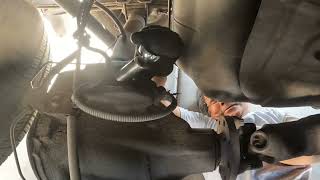
- Check Engine Light: A faulty speed sensor can trigger the Check Engine Light. The most common trouble code is P0500 (Vehicle Speed Sensor Malfunction). 🎬 See how to diagnose a P0500 code and dead speedometer.
Could It Be Something Else? The PSOM Module
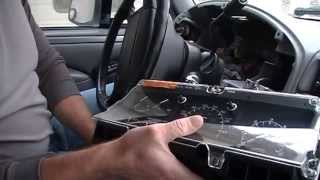
The symptoms of a bad speed sensor are nearly identical to a failed PSOM (Programmable Speedometer/Odometer Module), which is a circuit board inside your instrument cluster. If you replace the sensor and still have a bouncing or dead speedometer, the PSOM may be the actual problem. This is a known issue on these Ford-built trucks.
Choosing the Right Aftermarket Sensor
For a vehicle of this age, a quality aftermarket sensor is a practical and affordable choice. The brands available offer a good balance of price and reliability. There is no significant difference in quality between OEM and reputable aftermarket brands for this specific part.
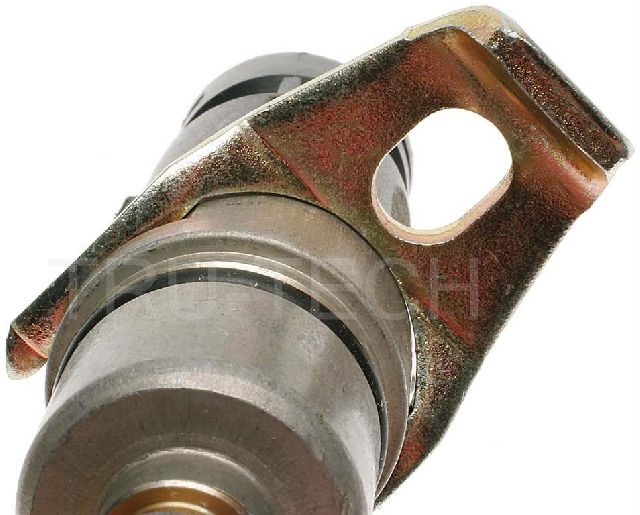
- Standard Ignition (SMP): Often considered a professional-grade aftermarket brand, Standard has a long reputation for making reliable electronic parts that meet or exceed original specifications. They are a trusted choice for a durable replacement.
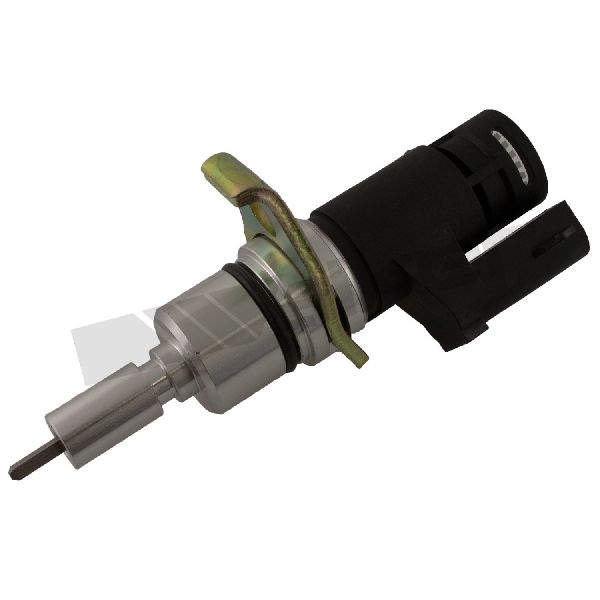
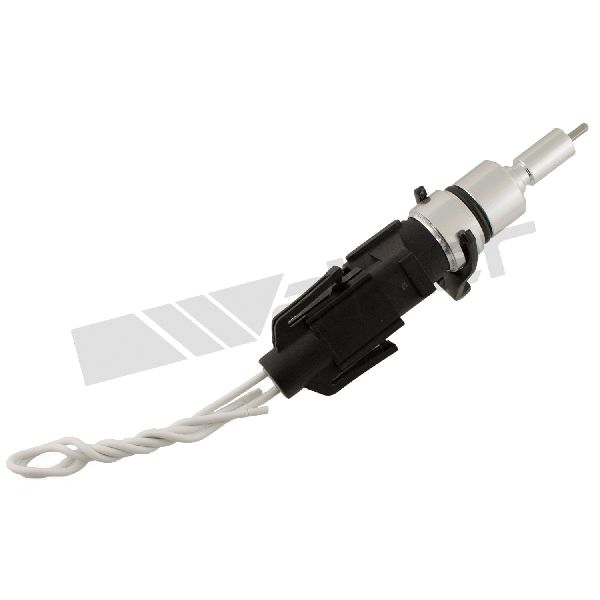
- Walker Products: Walker manufactures its parts in ISO-certified facilities and designs them to be direct OE replacements. They are a strong mid-tier option known for quality control.
- Holstein: Holstein provides a reliable, budget-friendly alternative. They claim a low failure rate and offer a good warranty, making them a solid choice for this repair.
- True Tech: This brand is a viable standard replacement option that will restore function at an affordable price point.
Easy Installation
Replacing this sensor is one of the easiest repairs you can do. It's held by one 10mm bolt on top of the rear differential. The job typically takes less than 30 minutes and only requires basic hand tools. Simply disconnect the wire, unbolt the old sensor, and install the new one. Lightly oil the new O-ring before installation to ensure a good seal.
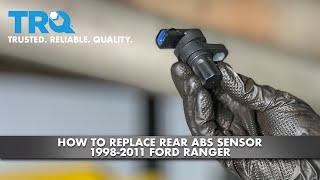
🎬 Watch this quick walkthrough of the rear ABS sensor replacement.| Part Type | Estimated Cost |
|---|---|
| New Aftermarket Sensor | $39.38 - $56.37 |
| Shop Labor | $50 - $100 |
| Total Professional Repair | $89 - $157 |
Frequently Asked Questions (FAQ)
Where is the vehicle speed sensor located on my 1994-1998 B2300?
It is located on the top of the rear differential housing, held in place by a single bolt. It is officially the Rear ABS Speed Sensor, but it performs both functions.
Can I still drive my truck with a bad speed sensor?
Yes, but it's not recommended for long. Your speedometer will be unreliable, your ABS will be disabled, and if you have an automatic transmission, it may shift very harshly, which can cause extra wear.
Is this the same part used on a Ford Ranger?
Yes. The 1994-1998 Mazda B2300 is mechanically identical to the Ford Ranger of the same period. Parts like this sensor are completely interchangeable.
I replaced the sensor, but my speedometer still doesn't work. What now?
If a new sensor doesn't fix the issue, the problem is likely the Programmable Speedometer/Odometer Module (PSOM) inside the instrument cluster itself. This is a common failure point and requires either repairing the cluster or replacing it.
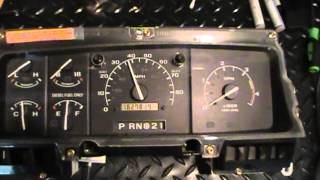
🎬 Watch this guide on how to remove the PSOM instrument cluster.Helpful Videos
Technical Specifications
OEM Part Numbers: F85Z-9E731-AB F85Z-9E731-AA F7TZ-9E731-A ZZL0-43-711
Mounts on rear differential housing. 2-pin electrical connector. Magnetic pickup type.
We Have This Part in Stock


The information in this article is provided for general reference and educational purposes only. Vehicle specifications, procedures, and part compatibility can vary by production date, trim level, and region. Always consult your vehicle's factory service manual and verify part numbers before purchasing or performing repairs. Safety-critical components such as airbags, seat belts, and braking systems should be installed by a qualified professional.
- Mazda B2300: