

A Practical Guide to the 1994-1998 Mazda B4000 Parking Brake Cable
Everything you need to know before replacing the parking brake cables on your truck.
- The 1994-1998 Mazda B4000 uses the same parking brake cables as the Ford Ranger.
- A major safety recall (NHTSA #94V-169) was issued for the 1994 model year due to potential parking brake failure.
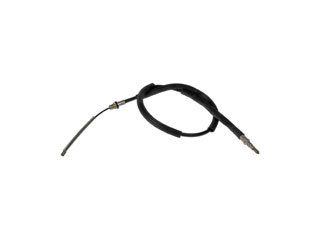
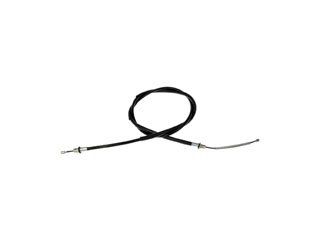
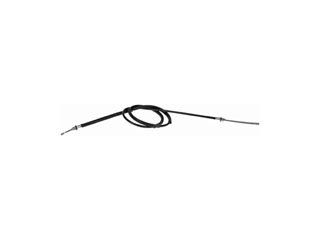
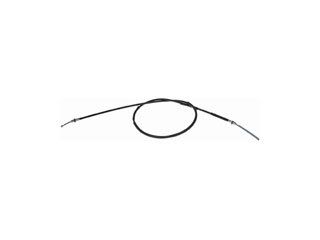
- The system uses multiple cables (front, intermediate, rear); identify which one has failed before ordering.
- Aftermarket quality from brands like Dorman and Raybestos can be inconsistent; verify cable length for your truck's wheelbase before purchase.
Is Your Parking Brake Cable Failing?
On the 1994-1998 Mazda B4000, which shares its design with the Ford Ranger, parking brake cables live a tough life under the truck. They are exposed to water, road salt, and dirt, making rust and corrosion the number one cause of failure. Over time, a cable can stretch, seize inside its protective sheath, or snap completely. Here are the common signs that you have a problem:
- Loose Pedal: The parking brake pedal goes to the floor with little to no resistance. This usually means a cable has stretched or snapped.
- Truck Still Rolls: You set the parking brake, but the truck still moves on an incline. This is a serious safety issue indicating the brake isn't holding.
- Brake Won't Release: You release the pedal, but the brake feels like it's still partially on. You might notice a dragging sensation, sluggish acceleration, or a burning smell from the rear wheels. This is often caused by a rusted and seized cable.
- Grinding or Popping Noises: Unusual sounds when you press or release the pedal can point to a frayed cable or a problem with the pedal mechanism itself.
Vehicle-Specific Issue: Parking Brake Recall
There was a notable safety recall (NHTSA #94V-169) for 1993-1994 models concerning the parking brake pedal's self-adjusting mechanism. This could fail, preventing the brake from holding the vehicle. The fix involved dealers installing a special wedge into the pedal assembly. While this recall is old, it highlights a known weak point in the system's design.
Choosing the Right Aftermarket Cable: Dorman vs. Raybestos
Since your B4000 is an older truck, finding original Mazda (OEM) parts can be difficult and expensive. The aftermarket is your most realistic option. For this truck, Dorman and Raybestos are the most common brands available.
Here’s an honest breakdown based on owner experiences:
- Quality is Inconsistent: Across forums for Ford Rangers and other vehicles, owners report that the quality of aftermarket cables can be a "hit or miss" proposition. Some mechanics prefer to use used OEM parts over new aftermarket ones due to fitment and durability issues.
- Dorman: Often seen as a direct, budget-friendly replacement. However, some users have reported issues with incorrect lengths or lower durability compared to the original parts.
- Raybestos: As a major brake component manufacturer, Raybestos is a well-known name. Some owners choose them hoping for better quality. However, there are also reports of Raybestos cables having poor construction and fitment, with one user calling them "terrible" compared to OEM.
Pro Tip: Before ordering, measure your old cable if possible. The most common issue with aftermarket cables is incorrect length. The B4000 was available with different wheelbases and brake sizes (9-inch or 10-inch drums), which require different cable lengths. Double-check that the part you're ordering matches your truck's specific configuration.
How Many Cables Do I Need?
Your truck has a multi-cable system. It's important to inspect your truck to see which one has failed. You may not need to replace all of them.
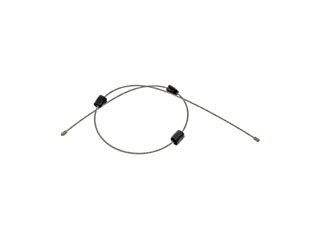
- Front Cable: Connects the pedal assembly to the intermediate cable.
- Intermediate Cable: Connects the front cable to the two rear cables.
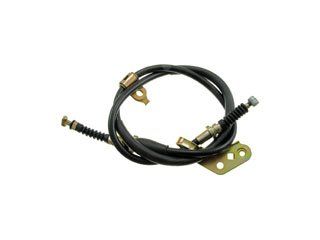
- Rear Cables: A left and a right cable that connect to each rear wheel's brake assembly.
Parking Brake Cable Replacement Cost for 1994-1998 Mazda B4000
The cost can vary depending on how many cables you need to replace. The prices below reflect the cost for a single cable.
| Part | Estimated Cost |
|---|---|
| New Aftermarket Cable (Dorman, Raybestos) | $32.27 - $71.67 |
| Shop Labor (per cable) | $100 - $200 |
| Total (DIY) | $32.27 - $71.67 |
| Total (Installed at Shop) | $132 - $272 |
Frequently Asked Questions
Is the Mazda B4000 parking brake cable the same as a Ford Ranger's?
Yes. The 1994-1998 Mazda B-Series trucks are mechanically identical to the Ford Ranger of the same model years. Parts like parking brake cables are interchangeable. Searching for Ford Ranger parts will give you more options.
Can I just replace one of the broken cables?
Yes, you can replace only the failed cable. However, if one cable has failed due to age and rust, the others are likely in similar condition. It's good practice to inspect all the cables and consider replacing them as a set for long-term reliability.
How difficult is it to replace a parking brake cable myself?
It is a moderately difficult job that is feasible for a DIY mechanic. It requires safely lifting and supporting the vehicle, working underneath it, and potentially disassembling the rear brake drums. The most common challenge is dealing with rusted fasteners and correctly routing and adjusting the new cable.
What happens if I don't replace a bad parking brake cable?
Ignoring a bad cable is a safety risk. If the cable is stretched or broken, your truck could roll away when parked, potentially causing an accident or damaging the transmission. If the cable is seized, it can cause the rear brakes to drag, leading to poor fuel economy, premature brake wear, and overheating that can damage other brake components.
Technical Specifications
OEM Part Numbers: F37Z-2A635-B F37Z-2A635-D F57Z-2A635-DB 1L5Z-2A635-DB ZZM0-44-420 ZZM1-44-420 ZZM2-44-420
System consists of a front cable, intermediate cable, and two rear cables (left/right). Cable length varies based on truck wheelbase and rear brake size (9" or 10" drums).
We Have This Part in Stock

The information in this article is provided for general reference and educational purposes only. Vehicle specifications, procedures, and part compatibility can vary by production date, trim level, and region. Always consult your vehicle's factory service manual and verify part numbers before purchasing or performing repairs. Safety-critical components such as airbags, seat belts, and braking systems should be installed by a qualified professional.
- Mazda B4000: