

A Deep Dive into the 1994-1998 Volkswagen Golf Radiator
Keep your Mk3 Golf's engine cool and prevent costly damage by choosing the right replacement radiator.
- The most common failure is a crack in the plastic end tanks due to age.
- Always use the correct G12-type coolant to prevent system clogging.
- For daily driving, a quality aftermarket brand like Nissens offers the best value.
- Consider replacing radiator hoses, thermostat, and cap at the same time for reliability.
Is Your Golf's Radiator Failing?
For a car of this era, radiator problems are common. The original radiators often used plastic end tanks crimped onto an aluminum core. After thousands of heat cycles, this plastic becomes brittle and can crack, leading to leaks. Look for these common signs that your radiator needs to be replaced.
Key Symptoms of Radiator Failure
- Engine Overheating: If your temperature gauge is consistently climbing into the red, your radiator isn't doing its job. This is the most serious symptom.
- Coolant Leaks: Finding puddles of sweet-smelling green, yellow, or orange liquid under the front of your car is a sure sign of a leak. Check for white or colored stains on the radiator itself, which indicates a slow leak.
- Low Coolant Light: Having to frequently top off your coolant reservoir means the fluid is escaping somewhere.
- Visible Damage: Look for cracks in the plastic end tanks, especially around the hose connections. Also, check for corroded or bent cooling fins that can block airflow.
- Rusty or Gummy Coolant: The coolant in your expansion tank should be clean. If it looks rusty, brown, or sludgy, it could mean there is internal corrosion in the radiator.
A Note on Coolant Type
Volkswagen specifies using G12 or a compatible coolant. Mixing incorrect types of antifreeze can cause it to turn into a gel-like sludge, clogging your new radiator and the entire cooling system. When replacing your radiator, it's best to completely flush the system and refill with new, correct coolant.
🎬 See how to properly flush your Mk3 cooling system.Choosing the Right Aftermarket Radiator
For the Mk3 Golf, the original OEM radiators are harder to find and can be expensive. Aftermarket radiators offer a wide range of options that can meet or even exceed original quality, often for a much lower price. Here’s a breakdown of the brands available.
Brand Tiers for Your Mk3 Golf
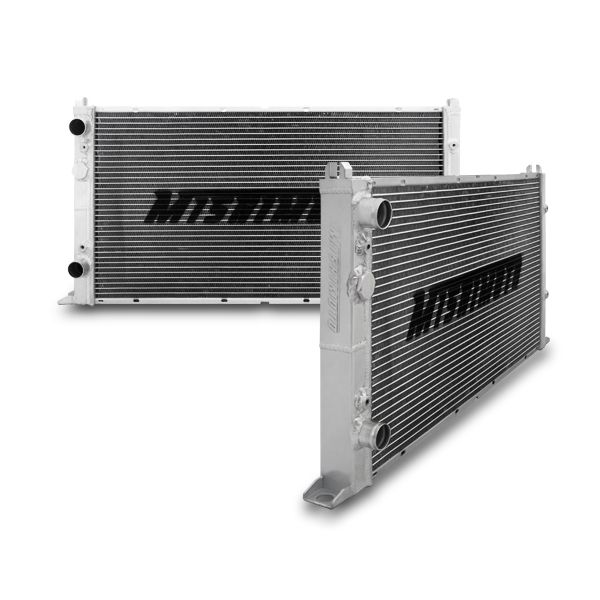
- Performance (Mishimoto): Mishimoto offers full-aluminum radiators that are TIG-welded and designed to improve cooling capacity by up to 40%. They are a great upgrade for high-performance engines like the VR6, or for cars that see track use. Be aware that some owners report that minor modifications, like filing down mounting pegs, may be needed for a perfect fit. 🎬 Watch a Mishimoto aluminum radiator installation on a VR6.
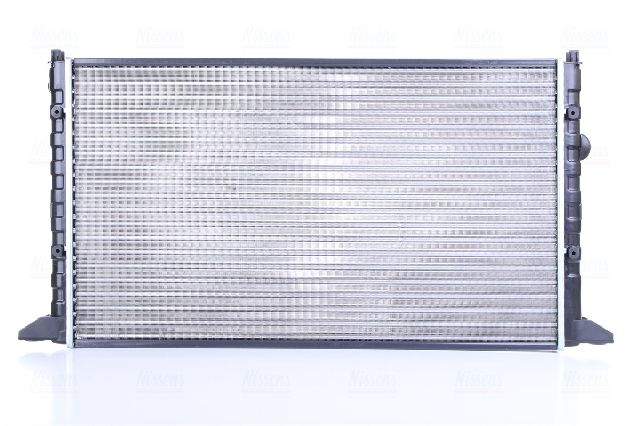
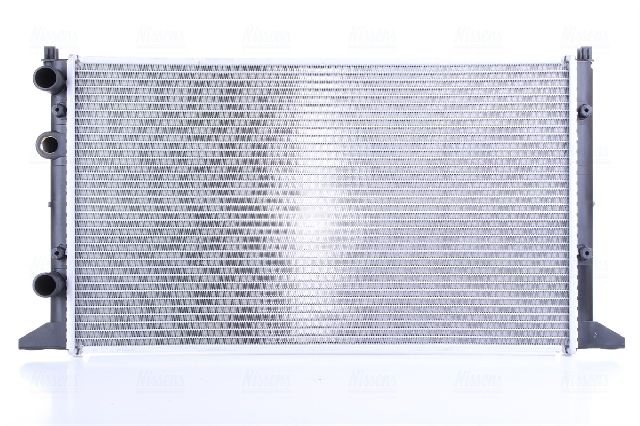
- OEM-Quality (Nissens): Nissens is a well-regarded Danish brand known for making high-quality aftermarket parts that fit and function like the original. While generally considered reliable, some users note the build quality may feel lighter than a factory part. They offer a good balance of quality and price for a daily driver.
- Standard (ACDelco): ACDelco is a major supplier of reliable, standard replacement parts. Their radiators are designed to be a direct replacement for the factory unit, offering dependable performance for normal driving conditions without the high cost of an OEM part.
- Economy (One Stop Solutions): This brand falls into the budget-friendly category. Like other brands such as OSC, they focus on providing a functional, low-cost replacement. These radiators are designed to meet basic OE form and function and can be a good choice if budget is the primary concern, but long-term durability may not match premium brands.
Pro Tip: While You're In There...
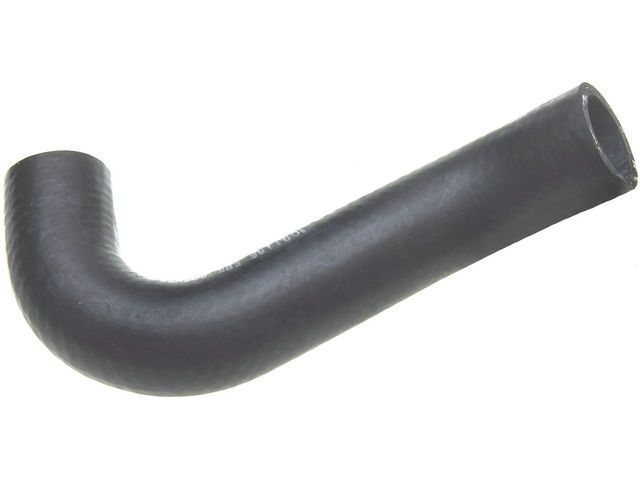
Replacing the radiator is the perfect time to inspect and replace other cooling system components. Consider installing a new thermostat, radiator cap, and new upper and lower radiator hoses. These parts are inexpensive and will save you from having to do the job twice.
Known Issues, Recalls, or TSBs
No widespread recalls or technical service bulletins (TSBs) from the NHTSA specifically target radiator failure for the 1994-1998 Volkswagen Golf. Most issues are related to the age of the vehicle, such as cracked plastic end tanks and hose connection points. A TSB from May 2023 did introduce a new engine coolant compatible with all models and model years. However, manufacturers are not required to pay for repairs related to a TSB unless it becomes a safety recall.
Frequently Asked Questions (FAQ)
Will an aftermarket radiator cool as well as the original?
Yes, a quality aftermarket radiator from a reputable brand like Nissens or ACDelco will provide cooling performance equivalent to the original. Performance brands like Mishimoto are designed to offer cooling that is superior to the stock radiator.
Do I need a special radiator for my VR6 engine?
While the basic design is similar, radiators for VR6 models are often designed for higher cooling capacity to handle the larger engine. Always confirm fitment for your specific engine (2.0L, 1.9L Diesel, or 2.8L VR6) before purchasing.
Is it difficult to replace the radiator on a Mk3 Golf myself?
For a moderately experienced DIY mechanic, the job is straightforward. It involves draining the coolant, disconnecting hoses and electrical connectors, and removing the radiator support. However, on some models, the front bumper may need to be removed, making it a more involved job. If you are not comfortable with this, a professional mechanic can do it in a few hours.
🎬 Watch this step-by-step guide to replacing your Mk3 radiator.Should I get a full-aluminum radiator or one with plastic tanks?
Full-aluminum radiators (like Mishimoto) offer superior durability and heat dissipation but come at a higher cost. Modern plastic/aluminum radiators from quality brands are reliable for daily driving and are much more affordable. The decision depends on your budget and how you use your Golf.
Helpful Videos
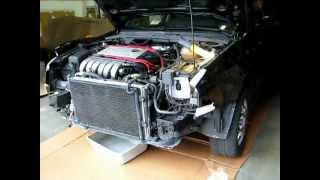
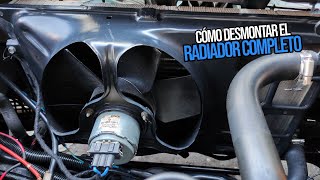
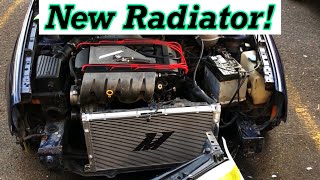
Technical Specifications
OEM Part Numbers: 1HM121253K 1HM121253G 1HM121253R
Fitment varies based on engine (2.0L, 2.8L VR6, 1.9L Diesel) and presence of air conditioning. Core construction is typically aluminum with plastic tanks for OEM and standard aftermarket, or full aluminum for performance versions.
We Have This Part in Stock


The information in this article is provided for general reference and educational purposes only. Vehicle specifications, procedures, and part compatibility can vary by production date, trim level, and region. Always consult your vehicle's factory service manual and verify part numbers before purchasing or performing repairs. Safety-critical components such as airbags, seat belts, and braking systems should be installed by a qualified professional.
- Volkswagen Golf:
- 🎬 Helpful Videos
- 🛍️ Shop This Part
- Is Your Golf's Radiator Failing?
- Key Symptoms of Radiator Failure
- A Note on Coolant Type
- Choosing the Right Aftermarket Radiator
- Brand Tiers for Your Mk3 Golf
- Pro Tip: While You're In There...
- Known Issues, Recalls, or TSBs
- Frequently Asked Questions (FAQ)
- 🎟️ Get 5% Off