

Replacing the Radiator in Your 1994-1998 Volkswagen Jetta
A straightforward guide to fixing cooling problems in your MK3 Jetta.
- The most common failure point on the original radiator is the plastic end tanks, which crack over time.
- Driving with a faulty radiator can cause catastrophic engine damage; it's critical to stop driving if the car is overheating.
- For a reliable, long-term repair, choose a quality aftermarket brand like Nissens or consider an all-aluminum upgrade from a brand like Mishimoto.
- Always use the correct Volkswagen-specific coolant (G11 or G12) to prevent corrosion and damage to the cooling system.
Is Your Jetta's Radiator Failing?
The radiator in a 1994-1998 VW Jetta is a common part to fail, especially after decades of use. The original radiators were made with plastic tanks on the sides, which can become brittle and crack over time. This is the most frequent cause of leaks and overheating. If you notice your temperature gauge climbing, see puddles of coolant under your car, or constantly have to add fluid, it's likely time for a new radiator.
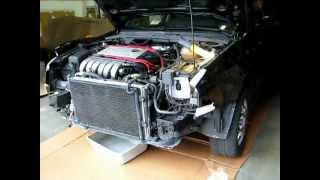
🎬 Watch this video to help identify your coolant leak.Don't Ignore Overheating
Driving with a bad radiator can lead to a blown head gasket or a completely seized engine. These are extremely expensive repairs that can cost more than the car is worth. It's best to stop driving the car until the cooling system is fixed.
Choosing the Right Aftermarket Radiator
For a vehicle of this age, an aftermarket radiator is the most practical and affordable choice. The quality of aftermarket parts can vary, so it's important to choose a reputable brand. Here’s a breakdown of the brands available:
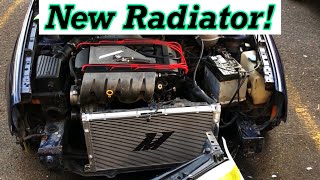
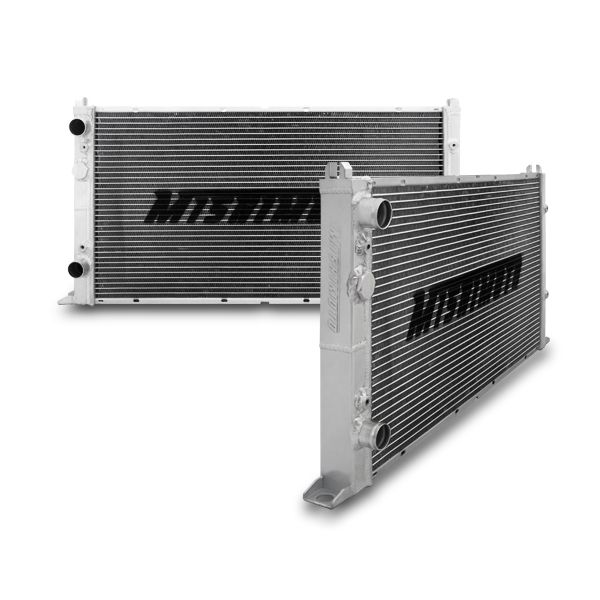
- Performance/Upgrade (Mishimoto): Mishimoto often offers all-aluminum radiators. These can be more durable than the original plastic/aluminum design because the weak points (the plastic end tanks) are eliminated. They are a good choice if you plan on keeping the car for a long time or want a more robust cooling system, but always double-check that the fitment is correct for your specific Jetta model. 🎬 See how to install a Mishimoto aluminum radiator.
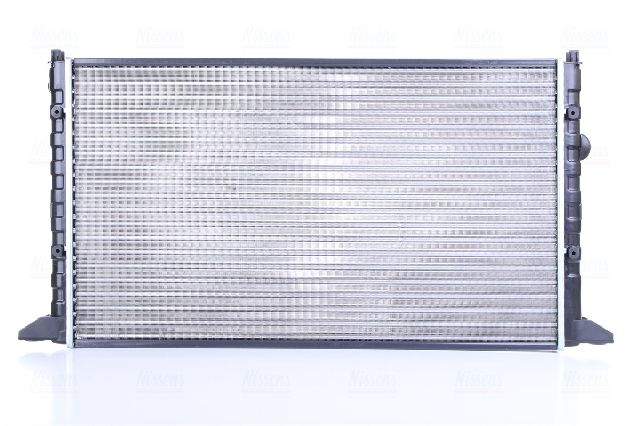
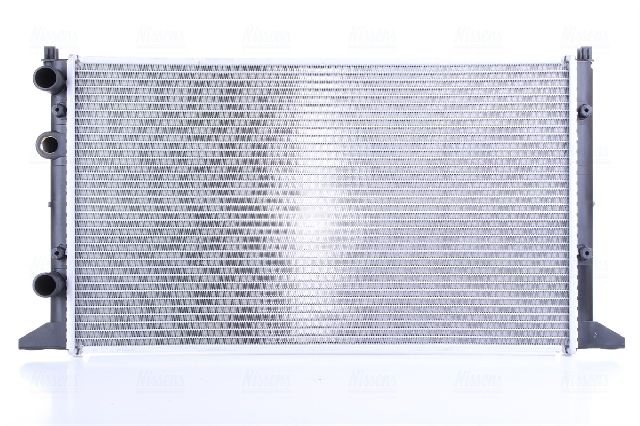
- OEM-Quality (Nissens): Nissens is a well-respected brand in the aftermarket world, known for making parts that fit and function like the original factory parts. For many professional mechanics and VW enthusiasts, Nissens is the go-to choice for a reliable, stock-style replacement that you can trust.
- Standard Replacement (ACDelco): ACDelco is a major parts supplier that offers reliable, standard-quality components. An ACDelco radiator is a solid, no-frills option that will get your Jetta back on the road without breaking the bank. It will perform similarly to the original part.
- Economy (One Stop Solutions): This brand falls into the budget or economy category. It's the most affordable option and can be a good choice if you need to fix the car on a tight budget. While it will function, its long-term durability might not match that of the more premium brands.
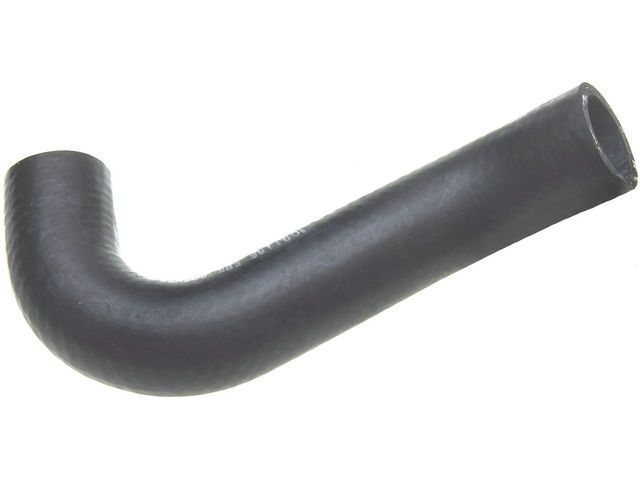
Pro Tip: While replacing the radiator, it's a great time to inspect your coolant hoses, thermostat, and water pump. These parts are also likely old and can be replaced at the same time with minimal extra labor, preventing future problems.
Cost of Replacing Your Jetta's Radiator
| Part/Service | Estimated Cost |
|---|---|
| New Aftermarket Radiator | $25 - $358 |
| Shop Labor | $250 - $450 |
| Total Estimated Cost | $275 - $808 |
Note: Costs are estimates and can vary based on your location, the specific parts chosen, and the repair shop's labor rates. The provided aftermarket price range reflects our inventory.
Frequently Asked Questions
Can I replace the radiator myself?
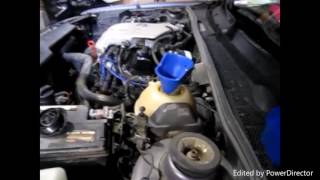
Yes, this is a DIY-friendly job for someone with basic mechanical skills and tools. The process involves draining the coolant, disconnecting hoses, unbolting the fan assembly, and then removing the radiator. There are many video guides available online that show the process for a MK3 Jetta. 🎬 Watch this step-by-step DIY radiator replacement guide. Expect it to take 2-4 hours.
Do I need special coolant for my VW Jetta?
Yes, Volkswagen requires a specific type of coolant, usually G11 (blue) or G12 (pink/purple) for this era. Using the wrong type of coolant (like generic green antifreeze) can cause corrosion and damage to your cooling system, including the new radiator. Always check your owner's manual or a reliable source for the correct coolant type.
Are there any recalls on the 1994-1998 Jetta radiator?
No, there are no specific recalls from the NHTSA for the radiator on the 1994-1998 Volkswagen Jetta. Any failures are typically due to the age and materials of the original part.
What is the most common reason for radiator failure on this Jetta?
The most common failure is a crack in the plastic side tanks or the hose connections. The plastic becomes brittle from years of heat cycles and eventually fails, causing a coolant leak.
Helpful Videos
Technical Specifications
OEM Part Numbers: 1HM121253R 1HM121253J 1HM121253Q 1E0121253
Fits 1994, 1995, 1996, 1997, 1998 Volkswagen Jetta (MK3 Generation). Core is typically aluminum with plastic tanks for OEM-style replacements. Check compatibility for your specific engine (2.0L, VR6, or TDI) as there can be minor variations.
We Have This Part in Stock


The information in this article is provided for general reference and educational purposes only. Vehicle specifications, procedures, and part compatibility can vary by production date, trim level, and region. Always consult your vehicle's factory service manual and verify part numbers before purchasing or performing repairs. Safety-critical components such as airbags, seat belts, and braking systems should be installed by a qualified professional.
- Volkswagen Jetta: