

Chevrolet Impala 1994-1996 Engine Oil Pressure Switch & Sensor Guide
Understanding the oil pressure switch on your LT1-powered Impala SS and how to choose the right replacement part.
- This guide is for the 1994-1996 Impala SS with the LT1 engine.
- The switch is difficult to access; using a high-quality part is recommended to avoid repeat labor.
- Symptoms include erratic gauge readings, warning lights, and oil leaks from the sensor.
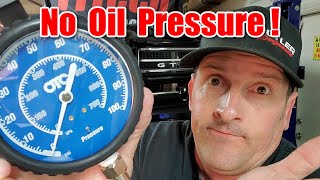
- Always verify true oil pressure with a mechanical gauge before replacing parts if you see a low-pressure warning.
Understanding the 1994-1999 Impala Range
A quick note on the year range: The Chevrolet Impala SS model this guide applies to was produced from 1994 to 1996, built on the B-Body platform with a 5.7L LT1 V8 engine. The Impala name was not used from 1997 to 1999, returning in 2000 on a different platform. This article is specifically for the 1994, 1995, and 1996 Impala SS.
Symptoms of a Failing Oil Pressure Switch
When your oil pressure switch starts to fail, your Impala will give you several warning signs. Ignoring them can lead to severe engine problems. Here’s what to look for:
🎬 Watch this guide on common oil pressure sensor warning signs.- Erratic Gauge Readings: The most common symptom is an oil pressure gauge that behaves erratically. The needle might jump to its maximum, drop to zero, or flicker back and forth, even when the engine speed is steady.
- Oil Pressure Warning Light: A warning light on your dashboard may illuminate, either staying on constantly or flashing intermittently. This can happen even if a mechanical check shows the oil level and pressure are fine.
- Oil Leaks: The switch itself can develop leaks. You might see oil on the sensor or dripping from its location at the back of the engine. On the LT1, these switches are known to sometimes vibrate loose, causing leaks and faulty readings.
- Engine Performance Issues: In some cases, a faulty switch can contribute to hesitation or even cause the engine to shut off while driving. This is because on some GM vehicles of this era, the switch is tied into the fuel pump's electrical circuit as a redundant safety measure.
Is It the Switch or the Oil Pump?
An oil pressure warning can mean a cheap sensor has failed, or it can mean your engine is seconds away from catastrophic failure due to no oil pressure. If you get a low oil pressure warning, stop the engine immediately and check your oil level. Before assuming the sensor is bad, it's wise to verify the actual oil pressure with a mechanical gauge. This will confirm if you have a real pressure problem 🎬 Learn how to diagnose if your gauge or sensor is failing. or just a faulty sensor.
Choosing the Right Aftermarket Oil Pressure Switch
When replacing the oil pressure switch on your Impala SS, you have a choice between OEM (Original Equipment Manufacturer) parts from ACDelco and various aftermarket brands. For a critical sensor like this, quality matters.
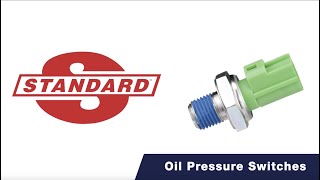
- Premium Aftermarket (e.g., Standard Ignition): Brands like Standard Motor Products (SMP), often sold as Standard Ignition, have a long-standing reputation in the aftermarket. They often engineer their parts to meet or exceed OEM specifications and perform extensive testing. For many experienced mechanics and owners, a premium aftermarket brand offers a reliable balance of quality and cost.
- Standard Aftermarket (e.g., Global Parts, Rostra): Rostra is a known manufacturer, particularly for transmission electronics and other vehicle components, and their parts are generally considered standard replacements. More generic brands may offer a lower price, but quality can be inconsistent. While they can be a budget-friendly option, for a part that is difficult to access and critical for engine monitoring, spending a little more for a trusted name is often recommended.
- OEM (ACDelco): While not an aftermarket part, it's the benchmark for quality. If you want the closest thing to the original part, ACDelco is the choice. However, some forum users note that even quality brands can have failures, and sometimes a good aftermarket part can outperform a failing original design.
| Item | Estimated Cost |
|---|---|
| New Aftermarket Part | $7.85 - $43.00 |
| New OEM (ACDelco) Part | $45 - $75 |
| Shop Labor | $100 - $200 |
Frequently Asked Questions (FAQ)
Where is the oil pressure switch on a 1994-1996 Impala SS?
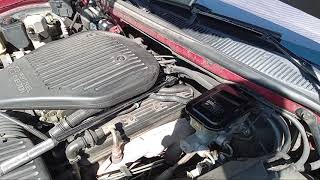
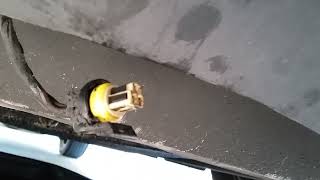
The oil pressure switch (or sending unit) on the 5.7L LT1 engine in these Impalas is located at the very back of the engine, behind the intake manifold, near the firewall. It is in a tight space 🎬 See exactly where the oil pressure sender is located. and can be difficult to reach without the correct tools, such as a special oil pressure switch socket and extensions.
Can a bad oil pressure switch cause a no-start?
Yes, it's possible. The oil pressure switch on these vehicles is part of a backup circuit for the fuel pump. If the main fuel pump relay fails, the oil pressure switch is designed to power the pump once it detects oil pressure during cranking. If the switch itself is faulty, it could contribute to a no-start or stalling condition, especially if the fuel pump relay is also weak.
Are there any recalls for the Impala oil pressure switch?
There are no specific recalls listed by the NHTSA for the engine oil pressure switch on the 1994-1996 Chevrolet Impala. There was a recall for some later model Impalas concerning oil dripping on the exhaust manifold, but this was related to valve cover gaskets, not the pressure switch.
What tools do I need to replace the oil pressure switch?
You will need a special deep socket designed for oil pressure switches (often 1 1/16" or 27mm), a ratchet, and several long extensions and possibly a swivel joint to reach the sensor. Due to its location, having the right combination of tools is essential to complete the job.
Helpful Videos

Technical Specifications
OEM Part Numbers: 12677836 D1846A
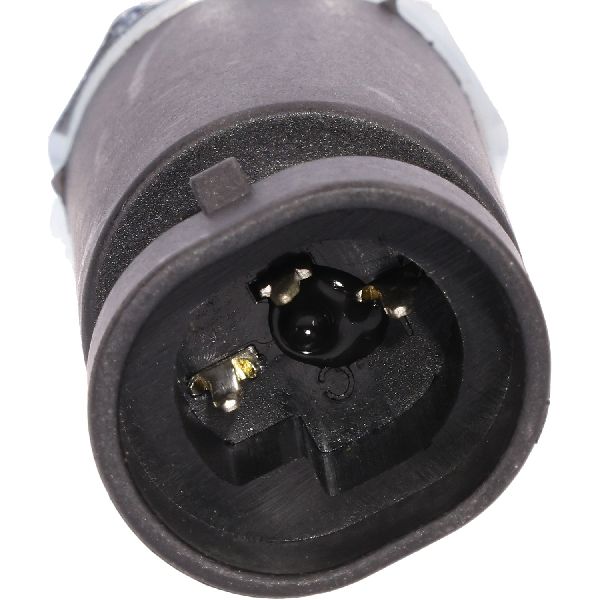
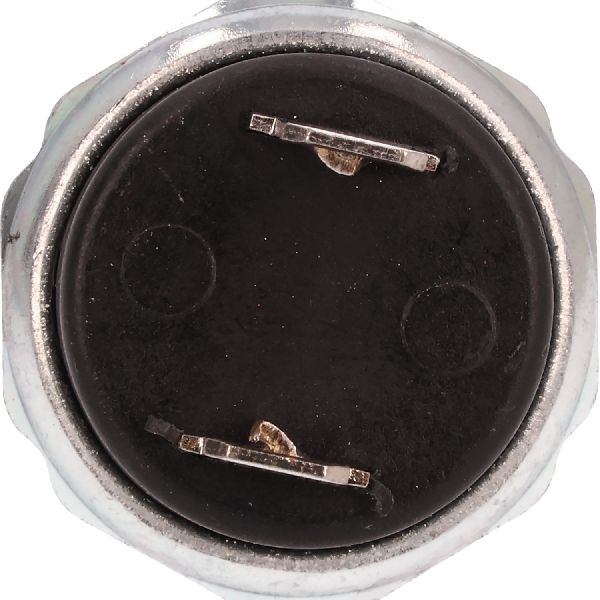
The 1994-1996 Impala SS uses a 3-terminal (3-prong) oil pressure sending unit. It is located behind the intake manifold. Early (93-94) LT1 engines had the sensor near the oil filter, but the Impala SS uses the later design.
We Have This Part in Stock


The information in this article is provided for general reference and educational purposes only. Vehicle specifications, procedures, and part compatibility can vary by production date, trim level, and region. Always consult your vehicle's factory service manual and verify part numbers before purchasing or performing repairs. Safety-critical components such as airbags, seat belts, and braking systems should be installed by a qualified professional.
- Chevrolet Impala: