

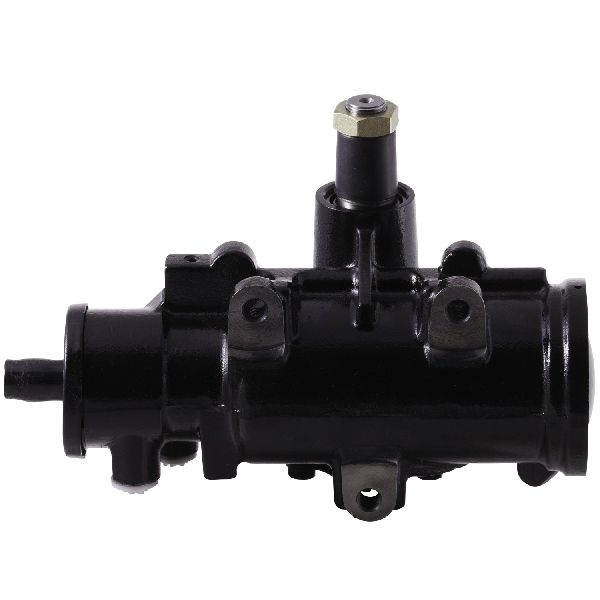
A Comprehensive Guide to the 1994-1999 Dodge Ram 3500 Steering Gear
Tired of constant steering wander and excessive play? Here is what you need to know before replacing the steering gear on your 2nd Gen Ram 3500.
- Steering wander is a system-wide issue; inspect the track bar, ball joints, and tie rods along with the steering gear.
- Before ordering, inspect the frame around the steering gear for cracks, a known failure point that must be repaired first.
- For better performance and longevity, especially with large tires, consider a heavy-duty upgraded steering gear (e.g., RedHead) or a 100% new unit (e.g., PWR) over a standard remanufactured part.
- Installing a steering box stabilizer brace is a highly recommended upgrade to reduce stress on the new gear and the frame.
Is Your Steering Gear Failing? Common Symptoms on a 2nd Gen Ram
The factory steering gear on 1994-1999 Dodge Ram 3500s is a well-known weak point, especially on trucks with the heavy Cummins diesel engine or larger-than-stock tires. Failure often happens gradually. If you are experiencing any of these issues, your steering gear is likely worn out.
- Steering Wander: This is the most common complaint. You have to constantly make small corrections with the steering wheel just to keep the truck driving in a straight line.
- Excessive Steering Play: There is a noticeable “dead spot” when you turn the steering wheel. You may turn the wheel an inch or more before the front wheels begin to respond.
- Fluid Leaks: You may find puddles or drips of reddish-brown power steering fluid on the ground directly below the steering gear. Leaks often occur from the seals on the input shaft (from the steering column) or the output/sector shaft (where the pitman arm connects).
- Popping or Grinding Noises: Unusual sounds while turning can indicate that the internal gears are damaged or broken.
- Heavy or Binding Steering: The steering may feel unusually difficult to turn, or it might catch or bind at certain points in its rotation.
Stop! Check Your Frame First!
Before you buy a new steering gear, you must inspect the truck's frame where the gear mounts. These frames are known to crack around the steering gear mounting bolts due to stress. Have a helper rock the steering wheel back and forth (engine off) while you closely watch the mounting area. If you see the frame flexing or see visible cracks, the frame must be professionally welded and reinforced before a new steering gear is installed. A new part will not fix a cracked frame.
Choosing the Right Aftermarket Steering Gear
Because the original steering gear is a known weak point, many owners choose to upgrade when it's time for a replacement. Aftermarket options generally fall into a few categories.
Tier 1: Heavy-Duty Upgraded & Remanufactured
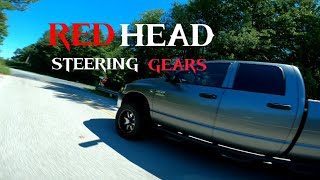
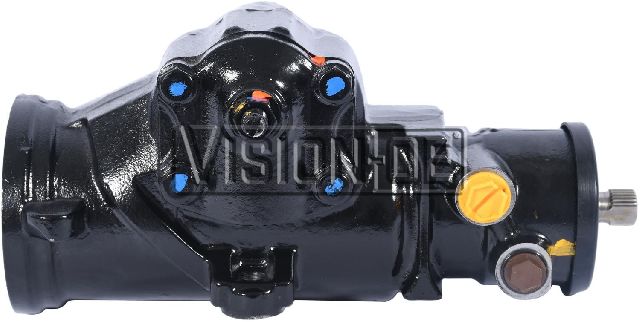
These are often considered the best solution for the 2nd Gen Ram's steering problems. Companies like RedHead and PSC take original gear housings and remanufacture them to be better than new. They often machine the housings to install larger bearings and use higher-quality components to eliminate internal play and increase durability. While more expensive, these are the preferred choice for owners who tow, run large tires, or want a long-term fix for steering wander.
Tier 2: 100% New Aftermarket
Brands like PWR offer steering gears that are made from 100% new components, with no remanufactured or used parts. This approach avoids the risk of hidden wear or poor-quality rebuilding that can sometimes be an issue with standard remanufactured parts. These units are engineered to meet or exceed original specifications and often come with a lifetime warranty, providing a reliable option that is typically priced between a standard reman and a heavy-duty upgrade.
Tier 3: Standard Remanufactured
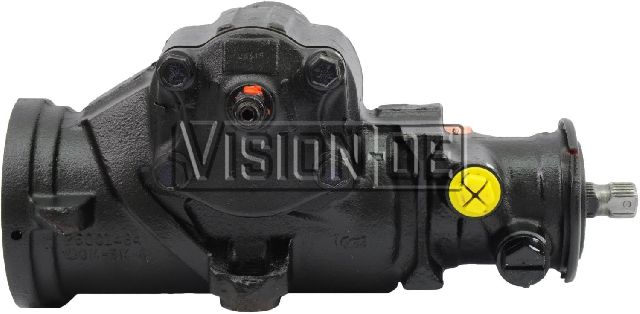
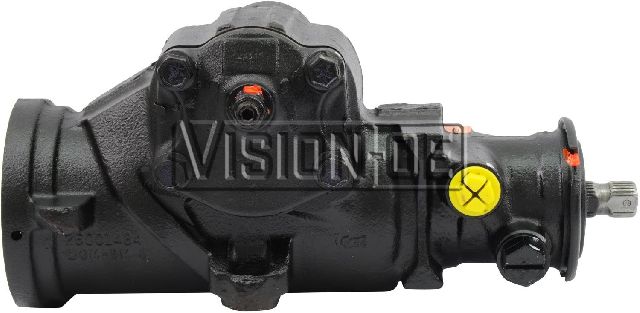
This category includes brands like BBB Industries and other store-brand remanufactured units. While they are the most affordable option, their quality can be inconsistent. Forum discussions and reviews sometimes report these units leaking or developing play soon after installation. A standard remanufactured part can be a budget-friendly choice, but it may not provide the same longevity or improved steering feel as a new or heavy-duty unit.
Pro Tip: It's a Whole-System Problem
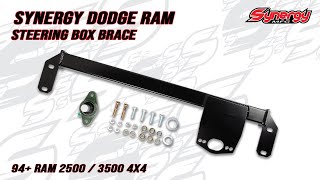
Sloppy steering on these trucks is rarely caused by just one part. For the best results, inspect the entire front-end steering and suspension system when you replace the gear. Worn track bars, tie rod ends, and ball joints are also major contributors to steering wander. Installing a steering box stabilizer brace is also a highly recommended upgrade. This brace supports the steering gear's sector shaft, reducing the stress on both the gear and the frame.
🎬 See how a steering box brace stabilizes your truck's front end.Cost of Replacing a Steering Gear on a 1994-1999 Dodge Ram 3500
| Part Type | Estimated Cost |
|---|---|
| New Aftermarket (PWR) | $700 - $835 |
| Remanufactured (BBB Industries, etc.) | $270 - $450 |
| Heavy-Duty Upgrade (RedHead, PSC) | $500 - $900+ |
| Shop Labor | $205 - $300 |
Frequently Asked Questions (FAQ)
Can I just adjust my old steering gear?
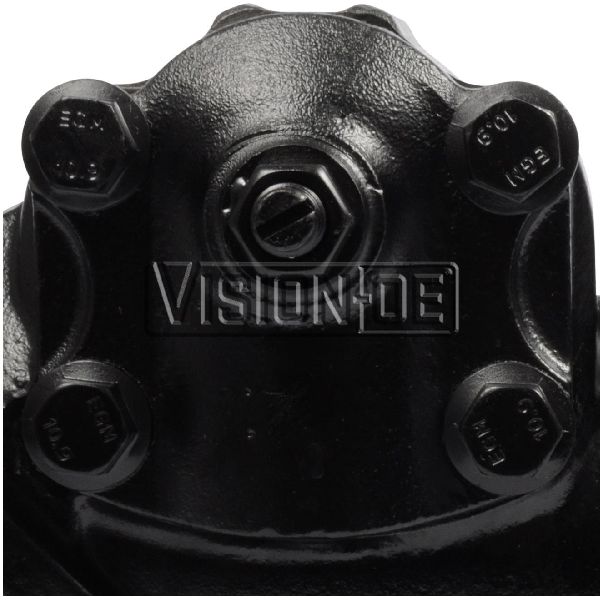
There is an adjustment screw on top of the steering gear that can be tightened to remove a small amount of play. However, this is usually a temporary fix at best. If the internal components are worn, adjusting the screw will not solve the underlying problem and can cause the steering to bind, leading to accelerated wear or unsafe handling. If your gear is worn out, replacement is the only correct long-term solution.
Will a new steering gear fix my "death wobble"?
A new steering gear can help, but it is usually not a complete fix for death wobble. Death wobble—a violent shaking of the front end—is a complex issue often caused by a combination of worn or poorly designed parts, with the track bar being a primary culprit. While a tight, new steering gear is a critical part of a stable front end, you must also inspect the track bar, ball joints, tie rods, and steering damper to fully resolve the issue.
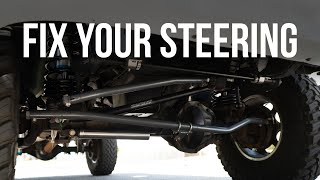
🎬 Watch: How to fix sloppy steering and death wobble for good.What is the difference between a 3-turn and 4-turn steering gear?
This refers to the number of steering wheel rotations it takes to go from lock-to-lock. Heavy-duty models like the Ram 3500 originally came with a 4-turn (or 4.25-turn) box, which provides more leverage for turning heavy loads and large tires. Some aftermarket replacements offer a "quick ratio" 3-turn option. While a 3-turn box can make steering feel more responsive in a parking lot, the 4-turn box is generally recommended for diesel trucks as it provides better control on the highway and puts less stress on the power steering system.
Are there any recalls for the steering on these trucks?
Yes. NHTSA Campaign ID 96V230000 was issued for 1994-1995 models for an intermediate steering shaft that could separate, causing a complete loss of steering. There was also a recall for the front suspension track bar on some 4WD models (NHTSA 97V173000). Additionally, several Technical Service Bulletins (TSBs) were released to address issues like heavy steering or slow return-to-center (TSB #190499, #190399).
Helpful Videos
Technical Specifications
The most important specification is the lock-to-lock turn count. Heavy-duty models (Diesel, V10) used a 4-turn box for more leverage, while lighter-duty trucks used a 3-turn box. The 4-turn box is recommended for Ram 3500 models.
We Have This Part in Stock

The information in this article is provided for general reference and educational purposes only. Vehicle specifications, procedures, and part compatibility can vary by production date, trim level, and region. Always consult your vehicle's factory service manual and verify part numbers before purchasing or performing repairs. Safety-critical components such as airbags, seat belts, and braking systems should be installed by a qualified professional.
- Dodge Ram 3500:
- 🎬 Helpful Videos
- 🛍️ Shop This Part
- Is Your Steering Gear Failing? Common Symptoms on a 2nd Gen Ram
- Stop! Check Your Frame First!
- Choosing the Right Aftermarket Steering Gear
- Tier 1: Heavy-Duty Upgraded & Remanufactured
- Tier 2: 100% New Aftermarket
- Tier 3: Standard Remanufactured
- Pro Tip: It's a Whole-System Problem
- Cost of Replacing a Steering Gear on a 1994-1999 Dodge Ram 3500
- Frequently Asked Questions (FAQ)
- 🎟️ Get 5% Off