

Ford Ranger Engine Valve Cover Gasket Set Guide (1994-2000)
A detailed guide to fixing oil leaks and burning smells from your 1994-2000 Ford Ranger's engine valve cover gaskets.
- This is a difficult repair on all 1994-2000 Ranger engines (I4 and V6) because the intake manifold must be removed to access the valve covers.
- A burning oil smell is the most common symptom of a failed valve cover gasket.
- Using a high-quality aftermarket brand like Victor Reinz is recommended over budget options due to the high labor involved in the repair.
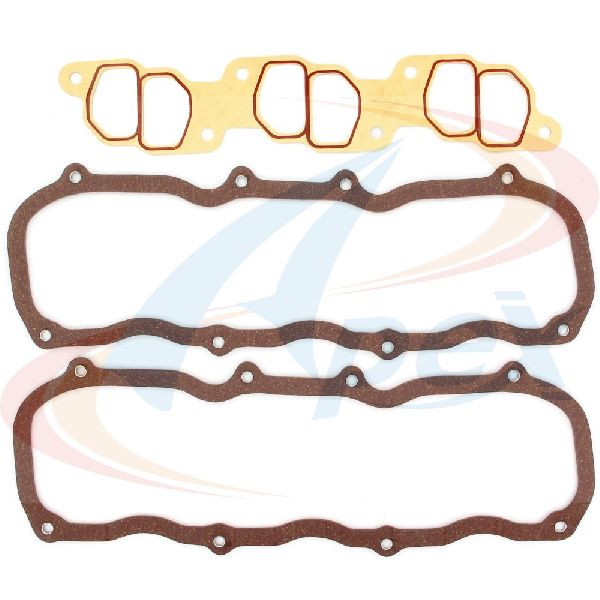
- While the intake manifold is off, it is wise to also replace the intake gaskets and PCV valve.
Is Your Ranger Leaking Oil? Signs of a Bad Valve Cover Gasket
A failing valve cover gasket is one of the most common oil leaks on any engine, and the 1994-2000 Ford Ranger is no exception. The constant heat from the engine causes the rubber or cork gaskets to become hard and brittle over time, leading to leaks. Symptoms are usually easy to spot.
- Burning Oil Smell: This is the most common sign. Oil leaks from the valve cover and drips onto the hot exhaust manifold, where it burns off, creating a distinct and unpleasant smell inside and outside the truck.
- Visible Oil Leaks: You will see wet, oily residue or grime built up on the valve covers and the side of the engine block below them.
- Low Engine Oil: A significant leak will cause your engine oil level to drop between oil changes, potentially triggering the oil light.
- Rough Running Engine: In some cases, oil can leak into the spark plug tubes. This can foul the spark plugs, leading to engine misfires and poor performance.
This is NOT a Simple Repair on a 1994-2000 Ranger
Unlike many older vehicles where the valve covers are easily accessible, every engine option in this Ranger generation (2.3L/2.5L I4, 3.0L V6, and 4.0L V6) requires removing the entire upper intake manifold to access the valve cover(s). This makes the job significantly more complex, time-consuming, and expensive if you're paying for labor.
Choosing the Right Aftermarket Gasket Set
When shopping for a new aftermarket gasket set, quality matters. A poorly made gasket can fail quickly, forcing you to do this difficult job all over again. Here’s a look at the available brands.
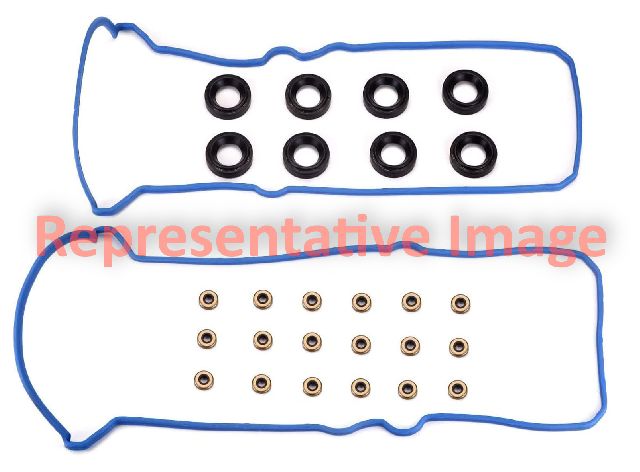
- Premium Aftermarket (Victor Reinz): Victor Reinz is a well-respected brand that is often an Original Equipment (OE) supplier to car manufacturers. Their gaskets are known for high-quality materials and excellent fit, often considered equivalent to the original Ford parts. For a complex job like this, choosing a premium brand like Victor Reinz is a smart investment for a long-lasting seal.
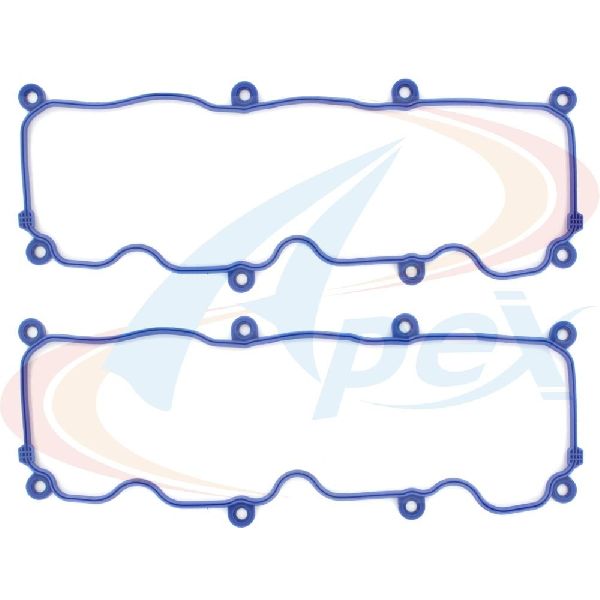
- Standard/Budget Aftermarket (Apex): Apex is a budget-friendly brand. While they claim to meet or exceed OEM specifications, user reviews are mixed. Some have had success on simple jobs, while others recommend sticking to higher-quality brands for critical seals to avoid premature failure. Given the difficulty of this specific repair on the Ranger, a budget gasket may be a risky choice.
Pro Tip for 4.0L V6 Owners
Some owners have reported that the cylinder head mating surface on the 4.0L OHV engine has slight machining ripples from the factory. These can make it difficult for a new gasket to seal perfectly. When you have the valve cover off, inspect the surface. If you see ripples, you may want to very lightly sand the surface smooth with fine-grit sandpaper and clean it thoroughly before installing the new gasket to ensure a better seal.
Cost to Replace Ford Ranger Valve Cover Gaskets (1994-2000)
| Item | Estimated Cost |
|---|---|
| New Aftermarket Gasket Set | $27.37 - $65.95 |
| New OEM Gasket Set | $70 - $120 |
| Shop Labor | $350 - $600 |
| Total Professional Replacement | $422 - $720+ |
Cost estimates are based on national averages and will vary by location and specific engine type. Labor costs are high due to the need to remove the intake manifold.
Frequently Asked Questions
Can I replace the valve cover gaskets on my Ranger myself?
This is an advanced DIY job. Because the intake manifold must be removed on all 1994-2000 Ranger engines to access the valve covers, the job is complex. It requires disconnecting fuel lines, various sensors, and vacuum hoses. If you are not an experienced mechanic with a good set of tools (including a torque wrench), it is recommended to have a professional shop perform the repair.
Should I use RTV sealant with the new gaskets?
Generally, modern rubber gaskets are designed to be installed dry. However, it is standard practice to apply a small dab of RTV silicone sealant at the corners or sharp bends where the engine block, cylinder head, and intake meet, as these are common points for leaks. Always follow the specific instructions included with your gasket set.
What else should I replace while I'm doing this job?
Since you have to remove the intake manifold, it is an excellent time to replace the intake manifold gaskets as well. You should also consider replacing the PCV valve and its grommet, as a clogged PCV system can increase crankcase pressure and cause gaskets to fail. Inspect all vacuum lines for cracks and replace as needed.
Are there any recalls for the valve cover gaskets?
No. Searches of the National Highway Traffic Safety Administration (NHTSA) database show no recalls for valve cover gaskets on the 1994-2000 Ford Ranger.
Technical Specifications
Gasket sets are specific to your engine (2.3L/2.5L I4, 3.0L V6, or 4.0L V6). Ensure you purchase the correct set for your vehicle's engine. Sets typically include valve cover gaskets and bolt grommets. Material is typically molded rubber.
We Have This Part in Stock


The information in this article is provided for general reference and educational purposes only. Vehicle specifications, procedures, and part compatibility can vary by production date, trim level, and region. Always consult your vehicle's factory service manual and verify part numbers before purchasing or performing repairs. Safety-critical components such as airbags, seat belts, and braking systems should be installed by a qualified professional.
- Ford Ranger: