

Ford Ranger Serpentine Belt Replacement Guide (1994-2000)
Learn how to spot a failing serpentine belt on your Ranger and choose the right aftermarket replacement.
- A failing serpentine belt will cause squealing noises and visible cracks before it breaks.
- Do not drive your Ranger if the serpentine belt breaks; the engine will overheat and lose power.
- Always replace the belt tensioner and idler pulleys when you replace the belt for long-term reliability.
- Verify the exact belt length for your Ranger's engine (2.3L, 3.0L, 4.0L) and A/C configuration before ordering.
Is Your Serpentine Belt Failing?

A serpentine belt is a wear item, meaning it needs to be replaced over time. For the 1994-2000 Ford Ranger, symptoms of a failing belt are hard to miss. Ignoring them can leave you stranded.
Key Failure Signs
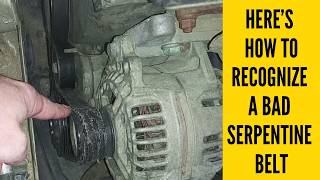
🎬 Watch: A visual guide to symptoms of a bad belt- Squealing or Chirping Noises: A high-pitched squeal, especially when you start the truck or turn on the A/C, is the most common sign. This noise comes from the belt slipping on the pulleys.
- Visible Damage: Look at the belt. If you see multiple cracks, frayed edges, missing ribs, or a smooth, shiny surface (called glazing), it's time for a replacement.
- Accessory Problems: Since the belt powers everything, you might notice dimming headlights (alternator issue), difficult steering (power steering pump issue), or your engine temperature climbing (water pump issue).
- Rattling or Grinding: Noises other than squealing could point to a failing belt tensioner or idler pulley bearing. If an accessory pulley, like the water pump, seizes, it can shred the belt immediately.
Choosing the Right Aftermarket Belt

For a vehicle like the 1994-2000 Ranger, you don't need to pay extra for a dealer part. High-quality aftermarket brands often meet or exceed the original specifications and offer excellent value. The most important factor is getting the correct length for your specific engine (2.3L, 3.0L, or 4.0L) and options (with or without A/C). Always verify the part number fits your exact truck.
Aftermarket Brand Tiers
- Premium Aftermarket (Gates, Continental): These brands are top-tier choices trusted by mechanics. Gates is a massive OEM supplier, and their quality is well-regarded. Continental (who now makes the belt formerly known as the Goodyear Gatorback) is famous for its 'Quiet Channel' technology that can help eliminate persistent squeaking issues.
- Quality Aftermarket (Dayco, INA): Dayco is another reputable brand that offers reliable, long-lasting belts and is a popular choice for daily drivers. INA is a major OEM supplier, especially for tensioners and bearings, and their belts are also high quality.
- OEM (Motorcraft): Motorcraft is Ford's official brand. While the quality is good, the belts are often made by Gates or another major manufacturer and simply put in a Motorcraft box for a higher price. For this reason, a premium aftermarket belt is usually a more cost-effective choice.
Pro Tip: Replace More Than Just the Belt
It is highly recommended to replace the belt tensioner and any idler pulleys at the same time as the belt. These parts have bearings that wear out. A new, tighter belt puts more stress on old bearings, which can cause them to fail and damage your new belt. Many brands offer complete kits that include the belt, tensioner, and pulleys.
Cost of Replacing a Ford Ranger Serpentine Belt
| Part Type | Estimated Cost |
|---|---|
| New Aftermarket Belt | $17 - $69 |
| New OEM (Motorcraft) Belt | $70 - $100 |
| Shop Labor | $60 - $120 |
Frequently Asked Questions

How often should I replace my Ranger's serpentine belt?
A general guideline is to inspect the belt at every oil change and plan for replacement every 60,000 to 100,000 miles. However, if you see any cracks, fraying, or hear squealing, you should replace it immediately regardless of mileage.
Is this a difficult job to do myself?
No, this is a great DIY job for beginners. The only special tool you need is a 3/8-inch drive breaker bar or long ratchet to release the belt tensioner. The entire job can usually be done in under an hour.
🎬 Watch this step-by-step tutorial for the V6 4.0L engineWhat is the most common mistake when ordering this part?
The most common mistake is buying the wrong length belt. The 1994-2000 Ranger was available with 2.3L, 3.0L, and 4.0L engines, and with or without air conditioning. Each combination uses a different belt. Always use your vehicle's specific details to confirm you are ordering the correct part number. There is usually a belt routing diagram on a sticker under the hood to help.
Should I replace the tensioner at the same time?
Yes, it is strongly recommended. The spring in the tensioner weakens over time, and the pulley bearing wears out. A weak tensioner can cause a new belt to slip and wear out prematurely. Replacing the belt, tensioner, and idler pulley together ensures the entire system is reliable.
Helpful Videos
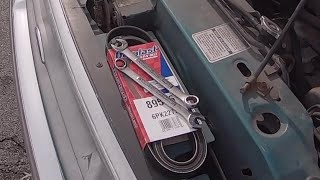
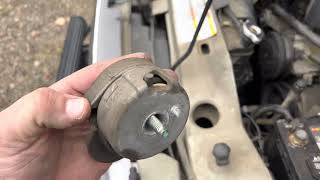
![Symptoms of a Bad Serpentine Belt [With Proven Fixes]](https://img.youtube.com/vi/fMV8lpFhJpM/mqdefault.jpg)
Technical Specifications
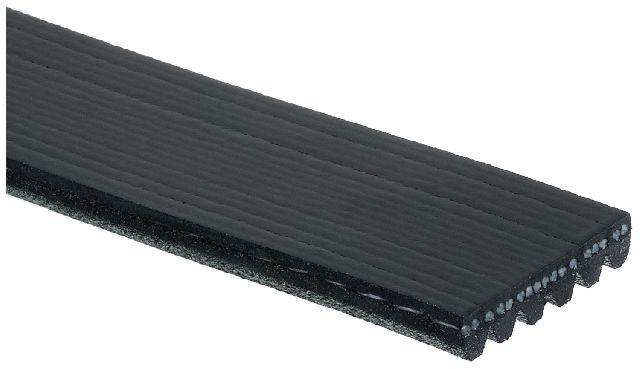
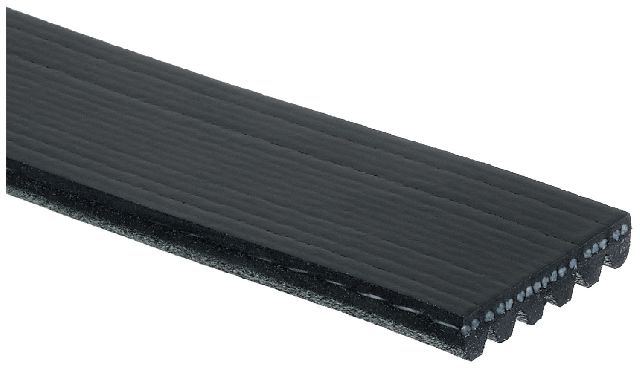
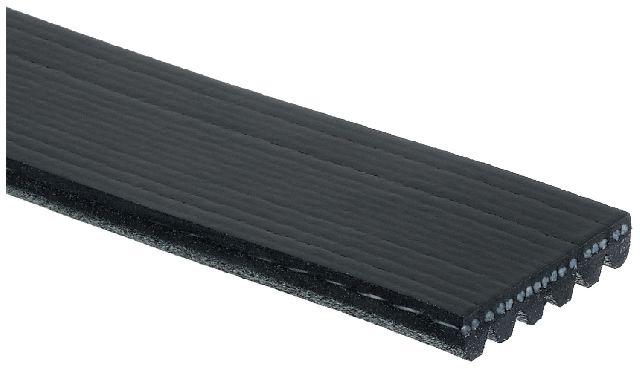
Belt length varies significantly based on engine size (2.3L I4, 3.0L V6, 4.0L V6) and the presence of air conditioning. Always confirm the part number against your vehicle's specific configuration. The belt is a multi-ribbed (poly-v) design.
We Have This Part in Stock

The information in this article is provided for general reference and educational purposes only. Vehicle specifications, procedures, and part compatibility can vary by production date, trim level, and region. Always consult your vehicle's factory service manual and verify part numbers before purchasing or performing repairs. Safety-critical components such as airbags, seat belts, and braking systems should be installed by a qualified professional.
- Ford Ranger: