

A Guide to the Engine Coolant Temperature Sensor for the 1994 Mercedes-Benz E500
This guide explains the critical sensor that directly impacts your M119 engine's performance, fuel economy, and starting behavior.
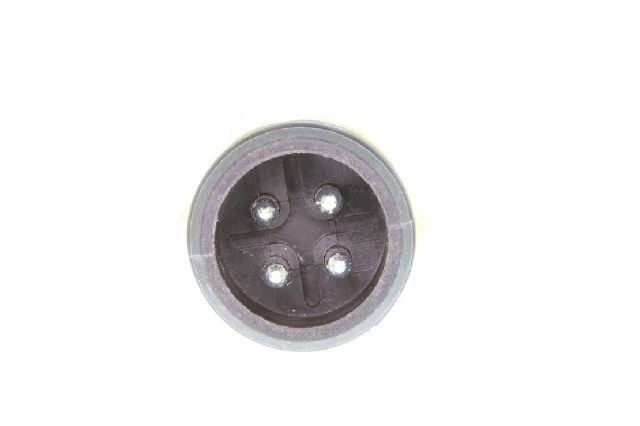
- Your 1994 E500 has three different temp sensors; the four-pin version is the one that affects engine performance.
- A bad ECT sensor directly causes poor fuel economy, rough running, and hard starting by sending false data to the ECU.
- For this critical part, choose premium aftermarket brands like Vemo or Delphi, which are often OEM suppliers, to ensure reliability.
- Replacement is a simple DIY task for most owners, requiring a 22mm deep socket and should be done on a cold engine.
Understanding the E500's Coolant Temp Sensors
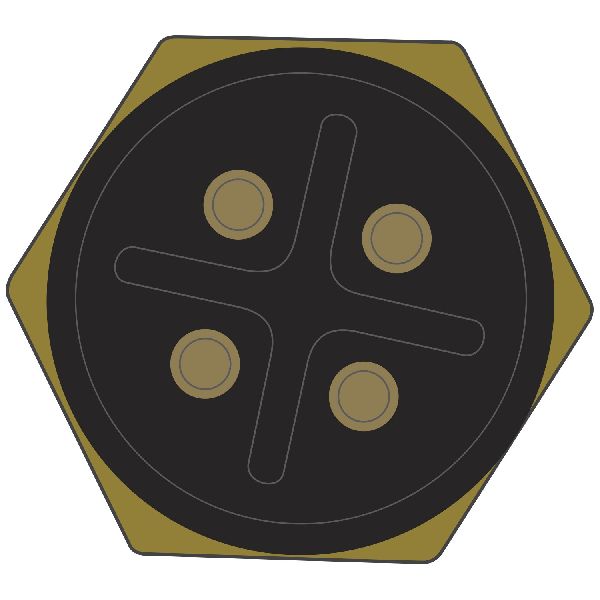
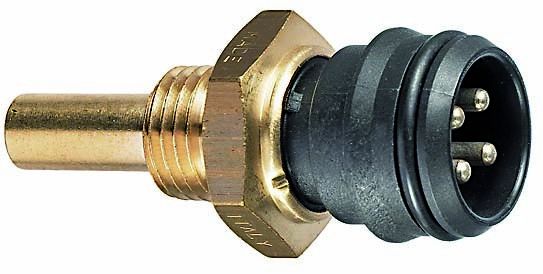
Your 1994 Mercedes-Benz E500's M119 V8 engine actually has more than one temperature sensor located at the front of the engine. It's important to know which one you are replacing. This guide focuses on the main four-pin Engine Coolant Temperature (ECT) sensor. This is the most critical sensor, as it sends information directly to the engine management computer. The other sensors include a single-pin sender for the temperature gauge on your dashboard and a two-pin switch for the auxiliary cooling fans and climate control system.
Symptoms of a Failing ECT Sensor
When the main four-pin ECT sensor fails, it typically sends incorrect information to the engine's computer. It might tell the computer the engine is cold when it's actually warm. This can lead to several noticeable problems:
- Poor Fuel Economy: The computer provides too much fuel, thinking the engine needs to warm up.
- Black Smoke from Exhaust: This is a sign of unburned, excess fuel in the exhaust caused by a rich mixture.
- Rough Idle: The engine may shake or vibrate at low speeds due to an improper air-fuel mixture.
- Hard Starting: The vehicle may be difficult to start, particularly when the engine is warm (but not fully hot).
- Check Engine Light: The computer will often detect a problem with the sensor's signal and trigger a Check Engine Light.
Choosing the Right Aftermarket Part
For a sensor this critical to engine performance, quality matters. While many affordable aftermarket options exist, forum members and mechanics often recommend using brands that are known Original Equipment Manufacturers (OEMs) for European cars to ensure accuracy and longevity.
Brand Quality Tiers
- Premium Aftermarket (OEM Supplier Quality): Delphi, Vemo. These brands are often trusted for their reliability and are a safe bet for critical sensors.
- Standard Aftermarket: Facet, Standard Ignition, URO Parts, Global Parts. These brands provide a cost-effective solution. While functional, some enthusiasts report occasional fitment or longevity issues with value-oriented electronic parts compared to OEM or premium brands.
Cost of Replacing the ECT Sensor
| Part Type | Estimated Cost |
|---|---|
| New OEM | $45 - $60 |
| New Aftermarket | $8.23 - $43.10 |
| Shop Labor | $50 - $100 |
Frequently Asked Questions (FAQ)
Can I replace this sensor myself?
Yes, this is a very DIY-friendly job. The sensor is located on the front of the engine and is accessible after removing the plastic engine cover. It can be removed with a 22mm deep socket. The job should be done on a cold engine to prevent burns and minimize coolant loss. It typically takes less than an hour.
Are there any recalls for this part?
No, searches of the National Highway Traffic Safety Administration (NHTSA) database did not find any recalls or specific technical service bulletins (TSBs) for the engine coolant temperature sensor on the 1994 Mercedes-Benz E500.
Why does my car have multiple temperature sensors?
Different systems in the car need temperature information for different reasons. The M119 engine uses a dedicated four-pin sensor for the engine computer, a separate single-pin sensor just for the dashboard gauge, and another two-pin sensor for the cooling fans and A/C system. This separation ensures that a failure in one sensor doesn't affect all systems.
Should I buy the cheapest sensor available?
While tempting, it is generally not recommended for this specific part. The ECT sensor provides critical data for engine management. An inaccurate or poor-quality sensor can cause persistent running issues and poor fuel economy, negating any initial cost savings. Sticking with a reputable OEM-supplier brand is a wise investment.
Technical Specifications
OEM Part Numbers: 0115425117 0085423217 0055421017
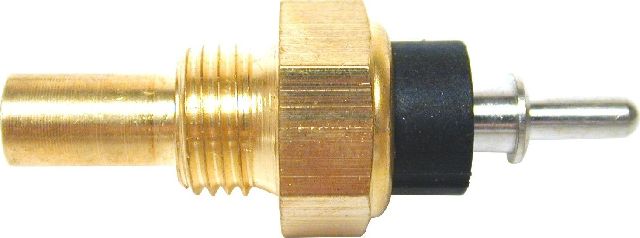
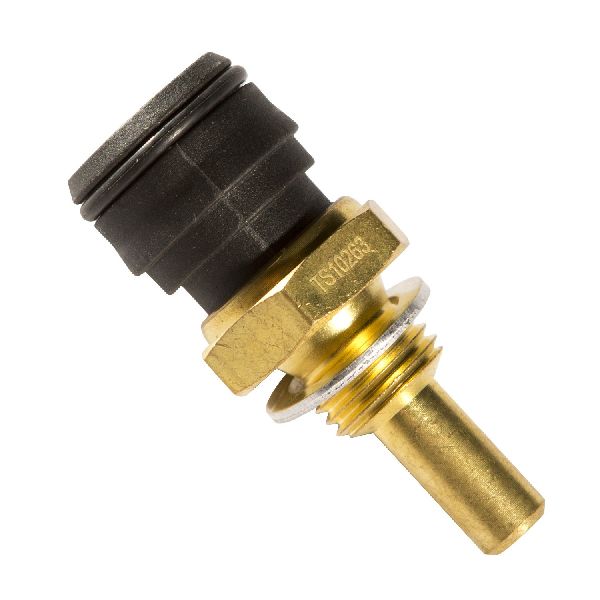
This guide refers to the 4-pin sensor that provides data to the engine control unit.
We Have This Part in Stock


The information in this article is provided for general reference and educational purposes only. Vehicle specifications, procedures, and part compatibility can vary by production date, trim level, and region. Always consult your vehicle's factory service manual and verify part numbers before purchasing or performing repairs. Safety-critical components such as airbags, seat belts, and braking systems should be installed by a qualified professional.
- Mercedes-Benz E500: