

A Guide to the Mass Air Flow Sensor for the 1994-2001 Mazda B4000
Solve rough idling, poor fuel economy, and stalling by understanding and choosing the right MAF sensor for your truck.
- Always try cleaning the MAF sensor with dedicated cleaner before replacing it; it often solves the problem.
- Thoroughly inspect for vacuum leaks, especially the PCV elbow, as they cause identical symptoms and are very common on the 4.0L engine.
- For reliability, choose a quality aftermarket brand like Delphi or NGK over cheaper, unbranded or remanufactured options.
- The MAF sensor is held by two T-20 Torx screws and is an easy DIY replacement that takes less than 30 minutes.
Is Your Mazda B4000 MAF Sensor Failing?
When a MAF sensor gets dirty or fails, it sends incorrect air measurements to the engine's computer. This causes the engine to run either too lean (too much air, not enough fuel) or too rich (too much fuel, not enough air). This imbalance leads to noticeable problems. Before you replace the sensor, it's a good idea to try cleaning it with a dedicated MAF sensor cleaner, as this often solves the issue.
Common Symptoms of a Bad MAF Sensor:
- Check Engine Light: This is often the first sign. The light may be accompanied by codes like P0101, P0102, P0103, P0171, or P0174.
- Rough Idle and Stalling: The engine may idle erratically, surge, or stall completely, especially when you come to a stop.
- Poor Acceleration and Hesitation: Your truck may feel sluggish, hesitate, or jerk when you press the gas pedal.
- Bad Fuel Economy: An incorrect air-fuel mixture makes the engine inefficient, causing you to use more gas.
- Black Exhaust Smoke: This can happen if the engine is running too rich.
Check for Vacuum Leaks First!
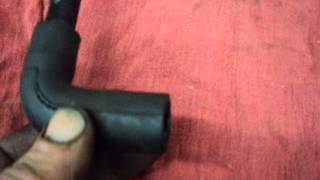
The 4.0L engine in the B4000 and its Ford Ranger twin is well-known for developing vacuum leaks from cracked rubber hoses, especially the PCV elbow. 🎬 See how to find and fix these common vacuum leaks. These leaks cause lean codes (P0171, P0174) and symptoms identical to a bad MAF sensor. Always inspect all vacuum lines between the MAF sensor and the engine before replacing the sensor itself.
Choosing the Right Aftermarket MAF Sensor
Since your Mazda B4000 is a rebadged Ford Ranger, the original equipment (OEM) sensor is a Motorcraft part. While OEM is often best for critical sensors, they can be discontinued or hard to find for this year range. The aftermarket offers several good alternatives, but quality varies significantly.
Premium Aftermarket Brands (Recommended)
These brands are often original equipment suppliers to various automakers and have a strong reputation for quality and reliability. They are the safest bet when you can't get a Motorcraft part.
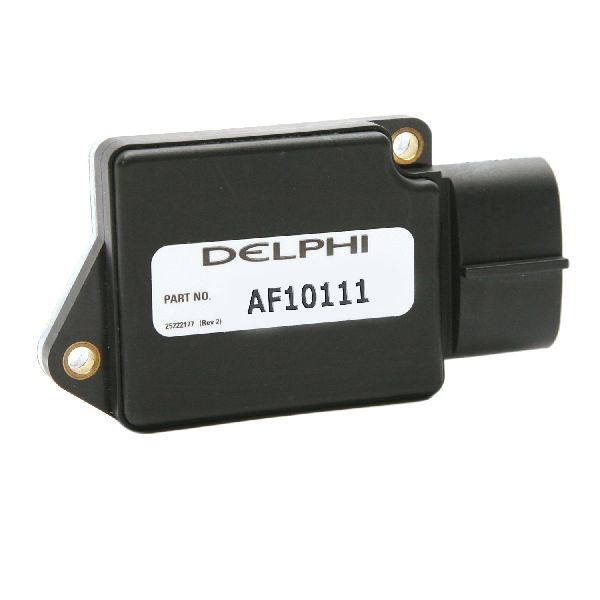
- Delphi: A well-respected OEM supplier known for producing reliable sensors that perform like the original. Many users report success with Delphi after having issues with cheaper brands.
- NGK (NTK): Another top-tier OEM supplier known for engine management and ignition parts. Their sensors are considered a high-quality replacement.
Standard Aftermarket Brands
These brands focus on providing new, not remanufactured, parts that meet or exceed original specifications. They are a solid choice for a balance of price and quality.
- Walker Products: This brand emphasizes that its sensors are 100% new and undergo extensive testing.
- Standard Ignition (SMP): A long-standing aftermarket brand. Opt for their main line, not their budget "T-Series," for better reliability.
- Beck Arnley: Focuses on sourcing parts that match the original form, fit, and function, often from the OEM manufacturer.
Budget & Remanufactured Options
While the low price is tempting, these options come with a higher risk of being defective out of the box or having a short lifespan. User reviews are often mixed.
- Cardone (Remanufactured): A common source for remanufactured parts. Quality can be inconsistent, with some users experiencing immediate failures.
- Store Brands / Ultra-Budget Online Brands: Cheaper sensors found on Amazon or from store brands often have poor quality control, leading to incorrect readings and persistent driveability problems. It's generally recommended to avoid these for critical sensors.
Sensor Only vs. Full Housing
Most aftermarket brands sell just the sensor element, which is all you typically need. It attaches to your existing plastic MAF housing with two screws. 🎬 Watch this quick walkthrough of the sensor replacement process. This is the most cost-effective repair. Replacing the entire housing is usually not necessary unless it is cracked or damaged.
Estimated Costs for MAF Sensor Replacement
| Item | Estimated Cost |
|---|---|
| New Aftermarket Part | $67 - $160 |
| New OEM Part (Motorcraft) | $140 - $230+ (Often discontinued) |
| Shop Labor | $50 - $100 |
| Total Professional Replacement | $120 - $260+ |
Frequently Asked Questions
Can I just clean my MAF sensor?
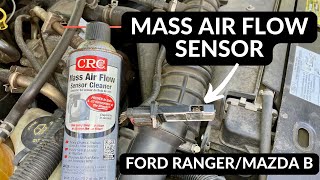
Yes, and you should try this first. Often, symptoms are caused by a dirty sensor, not a failed one. Purchase a dedicated MAF sensor cleaner spray. 🎬 Watch: Step-by-step guide to cleaning your MAF sensor properly. The sensor is located in the air intake tube after the air filter. Unplug it, remove the two T-20 Torx screws, and carefully lift it out. Spray the cleaner generously on the delicate wires and elements inside without touching them. Let it air dry completely for at least 10-15 minutes before reinstalling. Never use brake cleaner or carb cleaner, as they will destroy the sensor.
What do lean codes P0171 and P0174 mean?
These are very common codes on the Mazda B4000 and Ford Ranger 4.0L. They mean the computer has detected a lean air-fuel mixture on Bank 1 (P0171) and Bank 2 (P0174). While a dirty or failing MAF sensor can cause this, the most frequent culprit on these trucks is a vacuum leak from a cracked rubber hose somewhere after the MAF sensor.
Is a cheap aftermarket MAF sensor good enough?
It's a gamble. Forum discussions and mechanic reviews are filled with stories of cheap aftermarket sensors being dead on arrival or causing different, more confusing running issues. Since the MAF sensor is so critical to how your engine runs, spending a little more on a reputable brand like Delphi, NGK, or Walker is a wise investment to avoid future headaches.
What happens if I ignore a bad MAF sensor?
You can technically drive with a bad MAF sensor, but it's not recommended. Your truck will run poorly, get bad gas mileage, and may stall unexpectedly. Driving for too long with a very rich or lean condition can cause long-term damage to other expensive components, like the oxygen sensors and catalytic converter.
Helpful Videos
Technical Specifications
OEM Part Numbers: F57F-12B579-B F57Z-12B579-B ZZM6-13-215 AFLS130
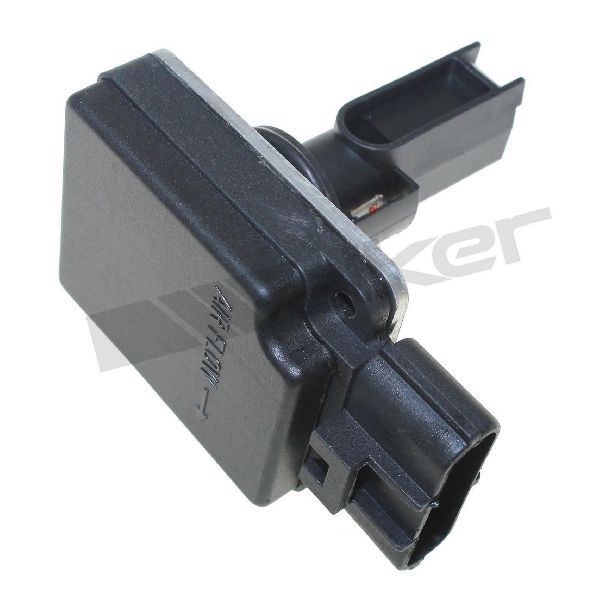
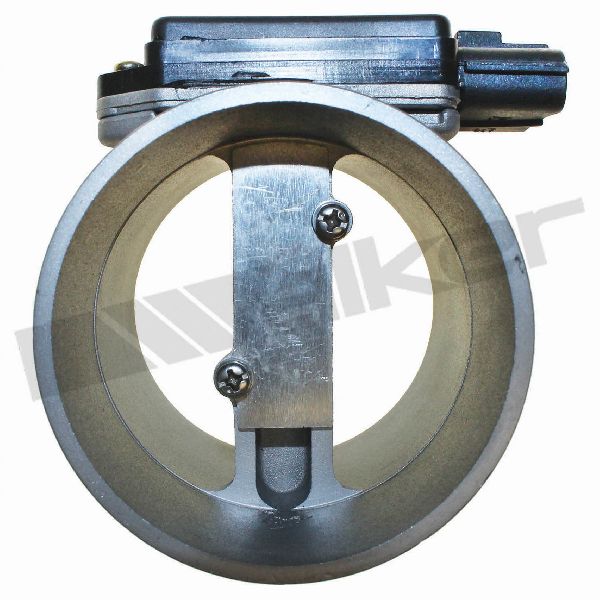
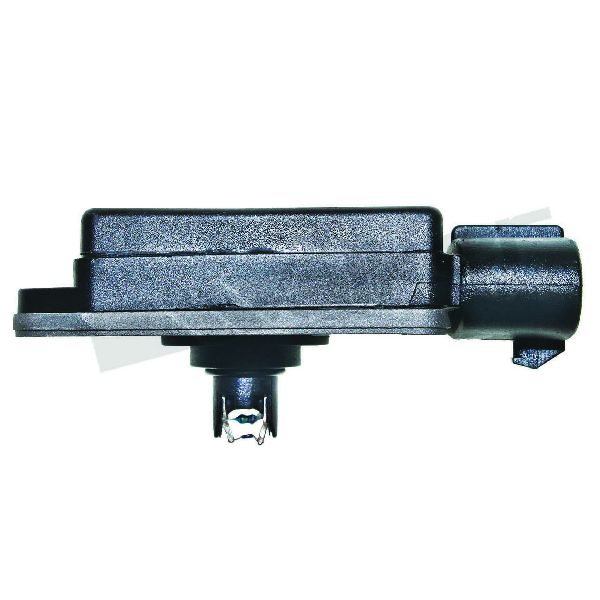
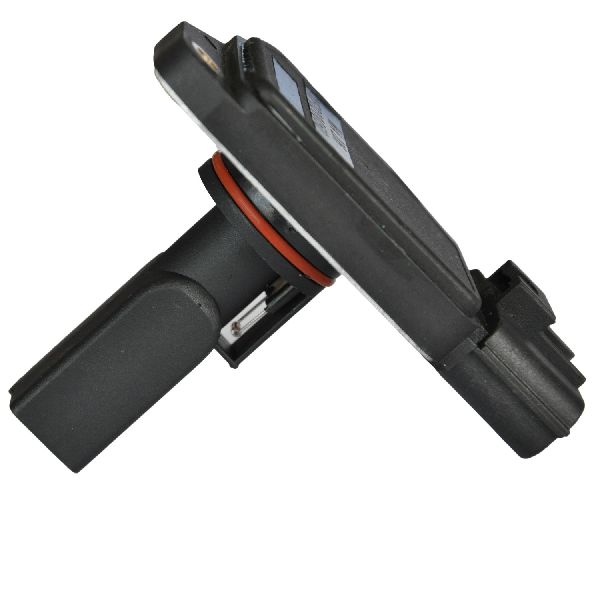
The MAF sensor for the 1994-2001 Mazda B4000 is typically a 4-wire or 6-wire sensor element that mounts into the plastic air intake duct. It uses a 'hot wire' design to measure air mass. The sensor is secured with two T-20 Torx screws.
We Have This Part in Stock


The information in this article is provided for general reference and educational purposes only. Vehicle specifications, procedures, and part compatibility can vary by production date, trim level, and region. Always consult your vehicle's factory service manual and verify part numbers before purchasing or performing repairs. Safety-critical components such as airbags, seat belts, and braking systems should be installed by a qualified professional.
- Mazda B4000:
- 🎬 Helpful Videos
- 🛍️ Shop This Part
- Is Your Mazda B4000 MAF Sensor Failing?
- Common Symptoms of a Bad MAF Sensor:
- Check for Vacuum Leaks First!
- Choosing the Right Aftermarket MAF Sensor
- Premium Aftermarket Brands (Recommended)
- Standard Aftermarket Brands
- Budget & Remanufactured Options
- Sensor Only vs. Full Housing
- Estimated Costs for MAF Sensor Replacement
- Frequently Asked Questions
- 🎟️ Get 5% Off