

A Mechanic's Guide to 1994-2002 Nissan Maxima Disc Brake Calipers
Address common seized caliper problems and choose the right replacement for your 4th or 5th generation Maxima.
- Seized calipers, especially in the rear, are a very common problem for 1994-2002 Maximas.
- For longevity, choose an aftermarket caliper with a protective anti-corrosion coating (e.g., Raybestos Element3, Cardone Ultra, PowerStop).
- Calipers should always be replaced in pairs (both fronts or both rears) to ensure safe, balanced braking.
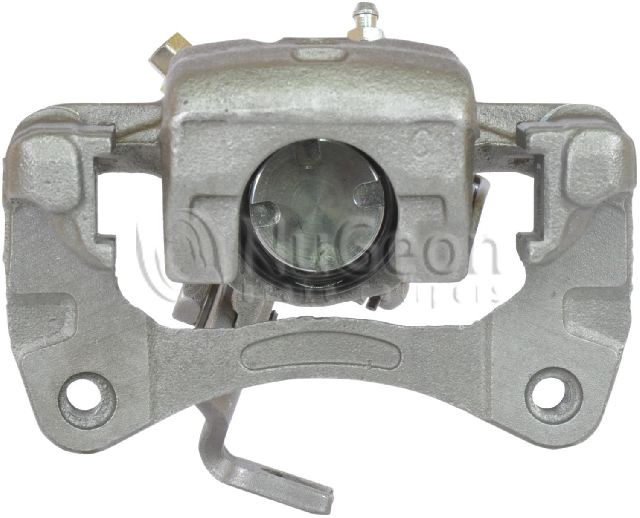
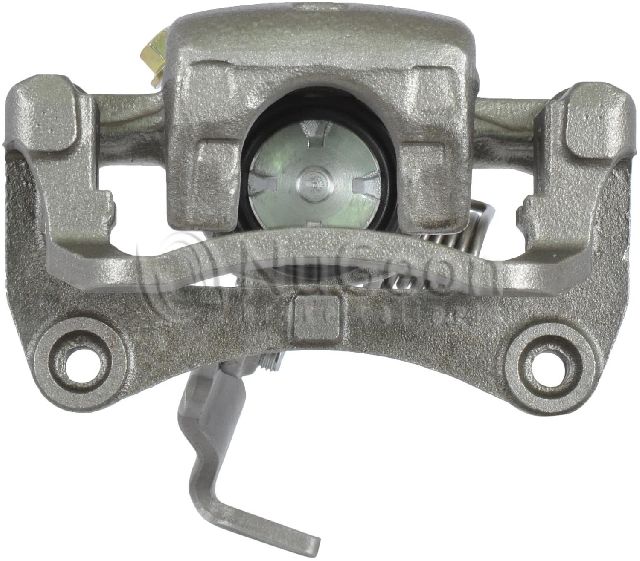
- Replacing a rear caliper requires a special tool to retract the piston due to the integrated parking brake.
Symptoms of a Failing Brake Caliper
On the 1994-2002 Nissan Maxima, the most common caliper issue is seizing or sticking, especially for the rear calipers. This happens when the caliper piston or slide pins corrode and can no longer move freely, often due to age, moisture, and road salt. Watch for these signs:
- Vehicle Pulling to One Side: When braking or even while driving, a sticking caliper can cause the car to pull towards the affected wheel.
- Brake Dragging: You might feel like the car is sluggish or losing power, as if the brake is constantly applied. This will also ruin your fuel economy.
- Burning Smell or Smoke: A seized caliper will cause constant friction, overheating the brake pad and rotor, which can produce a distinct burning smell and sometimes visible smoke from the wheel area.
- Uneven and Rapid Brake Pad Wear: If you find one brake pad is worn down significantly more than the others, it's a classic sign of a stuck caliper or slide pins.
- Spongy or Soft Brake Pedal: While this can have many causes, a leaking caliper can introduce air into the brake lines, resulting in a soft pedal that has to be pushed further to the floor.
- Visible Brake Fluid Leak: Puddles of oily fluid near your wheel are a serious sign that the caliper seals have failed.
A Common Maxima Problem: Seized Rear Calipers
Owners of 4th (1994-1999) and 5th (2000-2002) generation Maximas frequently report issues with seized rear calipers. This is often caused by corrosion of the caliper piston or the slide pins. Some mechanics believe that infrequent use of the parking brake can contribute to the rear calipers seizing over time. During any brake job on these cars, it is critical to clean and properly lubricate the caliper slide pins.
Choosing the Right Aftermarket Caliper
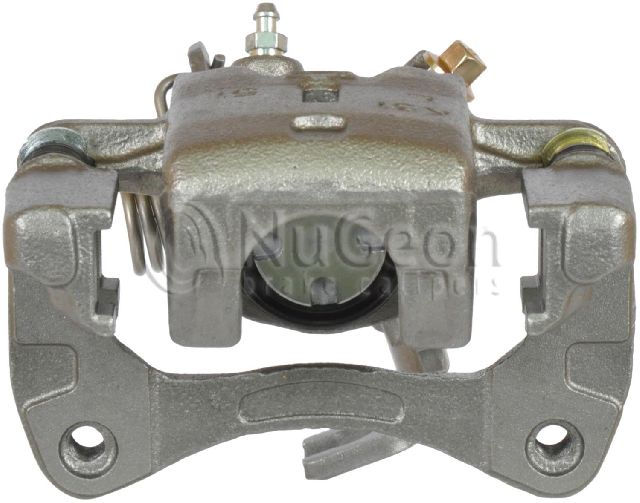
When shopping for a new aftermarket caliper, you'll mostly find remanufactured units. These are original equipment (OEM) cores that have been rebuilt with new seals, boots, and hardware. The biggest difference between brands is the quality of the rebuild and the protective coating.
Brand Quality Tiers
- Standard Remanufactured: These are the most affordable options. Brands like basic Cardone and uncoated Centric fall into this category. They are functional, but their plain cast-iron bodies are very susceptible to rust, which can lead to seizing down the road, especially in regions that use road salt.
- Coated Remanufactured (Recommended): For a small increase in price, you can get calipers with a protective coating. This is the best choice for most Maxima owners. Look for brands like Raybestos Element3, Cardone Ultra, or coated versions from Centric and Dynamic Friction. The coating (often zinc or another polymer) significantly resists rust and corrosion, extending the life of the caliper.
- Performance / High-Performance: Brands like PowerStop offer calipers that are often powder-coated (usually in red or other colors) for superior corrosion resistance and a performance look. They are often sold as part of a complete brake kit upgrade but are also available individually. They are a great option if you want maximum protection and a sportier appearance.
Replacement Cost
Replacing a brake caliper on a 1994-2002 Maxima is a common repair. Prices can vary based on the parts you choose and local labor rates.
| Item | Estimated Cost |
|---|---|
| New Aftermarket Caliper | $47 - $175 per caliper |
| New OEM Caliper | $150 - $250+ per caliper |
| Shop Labor | $125 - $250 per caliper |
| Total Job (Aftermarket, Single Caliper) | $172 - $425 |
Note: Costs are estimates and do not include taxes, shop supplies, or the cost of new brake fluid and brake pads/rotors, which are often replaced at the same time.
Frequently Asked Questions (FAQ)
Should I replace brake calipers in pairs?
Yes, it is highly recommended. Calipers should always be replaced in pairs (both front or both rear) to ensure even braking performance and prevent the car from pulling to one side. Replacing only one can lead to an imbalance where one brake is stronger than the other.
What is a "core charge"?
Since most aftermarket calipers are remanufactured, a "core charge" is a deposit you pay when you buy the part. You get this deposit back when you return your old, worn-out caliper to the seller. This ensures a steady supply of old calipers (cores) to be rebuilt.
What's the difference between a "loaded" and "semi-loaded" caliper?
A "semi-loaded" caliper typically includes the caliper body and a new mounting bracket with slide pins. A "loaded" caliper goes a step further and comes pre-assembled with new brake pads already installed. For most DIY jobs, a semi-loaded caliper is sufficient as you will likely be choosing your own preferred brake pads.
Do I need special tools to replace a Maxima caliper?
For the most part, standard mechanic's tools will work. However, for the rear calipers, you will need a special Brake Caliper Piston Tool (often a cube or rewind tool) to retract the piston, as it must be turned and pushed simultaneously due to the parking brake mechanism. You will also need a wrench for the brake line fitting (banjo bolt) and a way to bleed the brakes afterward.
Technical Specifications
OEM Part Numbers: 41011-7Y000 44001-8J100 41011-2Y90A 44011-2Y001
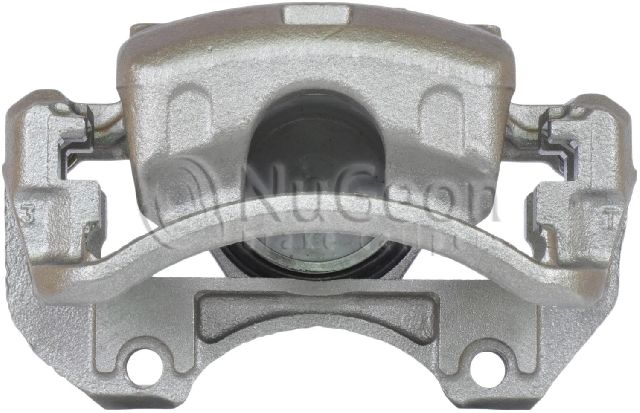
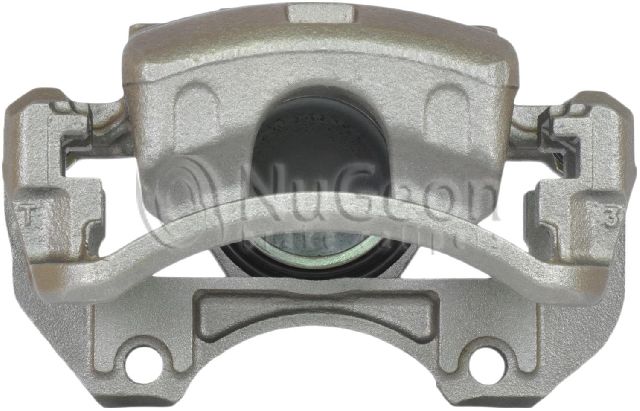
Fits 1994-2002 Nissan Maxima. All models use a single-piston floating caliper design. Rear calipers include an integrated parking brake mechanism. Note that front calipers for the 5th generation (2000-2002) are different and larger than those for the 4th generation (1994-1999).
We Have This Part in Stock


The information in this article is provided for general reference and educational purposes only. Vehicle specifications, procedures, and part compatibility can vary by production date, trim level, and region. Always consult your vehicle's factory service manual and verify part numbers before purchasing or performing repairs. Safety-critical components such as airbags, seat belts, and braking systems should be installed by a qualified professional.
- Nissan Maxima: