

Choosing the Right Disc Brake Pads for Your 1994-2002 Pontiac Firebird
Stop the guesswork and find the perfect brake pads for your V6, Trans Am, or Formula Firebird.
- Match your brake pad choice to your driving style; performance pads for aggressive driving, and ceramic pads for quiet daily commuting.
- For best results and safety, always replace brake rotors when you replace your pads.
- Owners widely recommend brands like Hawk HPS for street performance and Bosch or Wagner for reliable daily driving.
- Replacing the brake pads on a 4th Gen Firebird is a straightforward DIY project for those with basic tools.
Signs Your Firebird's Brake Pads Are Failing
Worn-out brake pads can be dangerous. Listen and feel for these common symptoms. Ignoring them can lead to more expensive repairs, like needing new rotors or calipers.
- Squealing or Screeching: Most brake pads have a small metal tab called a wear indicator. When the pads get thin, this tab scrapes against the rotor, making a high-pitched noise. This is your first warning.
- Grinding Noise: If you hear a deep, harsh grinding sound, it means the pads are completely worn away. The metal backing plate of the pad is now grinding against the rotor, causing serious damage. Stop driving immediately.
- Spongy or Soft Brake Pedal: If your brake pedal feels softer than usual or goes closer to the floor, it could mean you have worn pads or a problem with your brake fluid. Owners of 4th generation Firebirds sometimes report a soft pedal feel, which can be made worse by worn components.
- Vibration When Braking: A shaking steering wheel or a pulsating brake pedal often points to warped rotors, which can happen when pads are worn and create excess heat.
- Car Pulls to One Side: If your Firebird pulls left or right when you brake, it could mean the pads on one side are worn out faster than the other, or a caliper is sticking.
⚠️ A Note on LT1 vs. LS1 Brakes
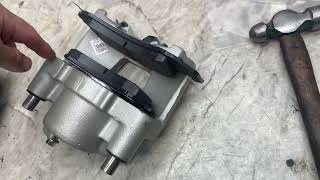
The 1994-1997 Firebirds (with the LT1 V8) had slightly smaller front brakes than the 1998-2002 models (with the LS1 V8). While pads are a direct replacement for your year, owners of LT1 cars looking for a significant performance boost often upgrade to the larger LS1 brake setup. 🎬 Watch this walkthrough of the LS1 dual caliper brake upgrade. This guide focuses on pads that fit your stock calipers.
Choosing the Right Aftermarket Brake Pads
For a car like the 1994-2002 Firebird, aftermarket brake pads often offer better performance and value than the original factory pads. Technology has improved, giving you more choices to match your driving style.
Brand & Quality Tiers
Here’s a breakdown of popular brands based on owner experiences and general reputation.
| Tier | Brands | Best For | Pros | Cons |
|---|---|---|---|---|
| Performance Street & Track | Hawk Performance, EBC Brakes, Brembo, Powerstop (Z26/Track Day) | Spirited driving, autocross, and occasional track days. | Excellent stopping power, high heat resistance, confident pedal feel. | Can create more dust and noise, may require a warm-up period for best performance. |
| OEM-Quality Daily Driver | Bosch, Wagner, Raybestos, Centric, Akebono | Everyday commuting and highway driving. A great upgrade over stock. | Quiet operation, low dust (especially ceramics), long life, reliable performance. | Not ideal for aggressive track use; may experience brake fade under extreme conditions. |
| Economy / Budget | Dynamic Friction, Pronto, Total Stopping Solutions | Getting the car back on the road safely and affordably. | Low initial cost. | May not last as long or be as quiet as premium pads. Performance is basic. |
💡 Pro Tip: Ceramic vs. Semi-Metallic
Ceramic pads (like Bosch QuietCast or Wagner QS) are known for being very quiet and producing little, light-colored dust, keeping your wheels cleaner. They are great for daily driving. Semi-metallic pads (like Hawk HPS) offer better bite and handle high heat better, making them ideal for performance driving, but they can be noisier and dustier. Choose based on your priority: comfort or performance.
Frequently Asked Questions
Do I need to replace my rotors at the same time as my pads?
It is highly recommended. Installing new pads on old, worn, or warped rotors will reduce braking performance and cause the new pads to wear out unevenly and quickly. For the best, safest results, replace pads and rotors together.
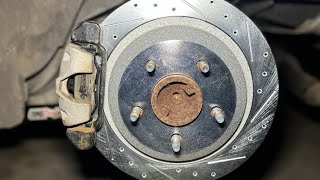
🎬 See how to replace front pads, rotors, and calipers.What are the most popular brake pads for a Firebird that is just a daily driver?
For daily driving, owners often choose ceramic pads from brands like Bosch, Wagner, or Akebono. They provide a smooth, quiet stop with low brake dust, making them a comfortable and clean option. The Hawk Performance Ceramic pads are also a good option for low dust and noise.
What about pads for my Trans Am/Formula that I drive aggressively?
For performance street driving, Hawk HPS (High Performance Street) pads are a very popular and proven choice among Firebird and Camaro owners. EBC Redstuff is another excellent option for high-horsepower street cars. These pads offer a significant increase in stopping power over stock.
Is it hard to change the brake pads on a 1994-2002 Firebird?
No, it is considered a relatively easy DIY job for someone with basic mechanical skills and tools. You will need a jack, jack stands, a socket set, a C-clamp to compress the caliper piston, and some brake grease. There are many video guides available online showing the process for the 4th generation F-body.
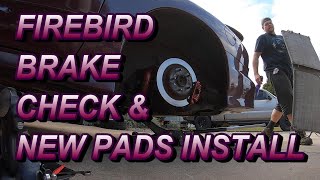
🎬 Watch a step-by-step guide to checking and installing new pads.Are there any recalls for the brakes on these cars?
A search of the National Highway Traffic Safety Administration (NHTSA) database shows no specific recalls for the service brake pads or calipers on the 1994-2002 Pontiac Firebird. Any issues are typically related to normal wear and tear.
Helpful Videos
Technical Specifications
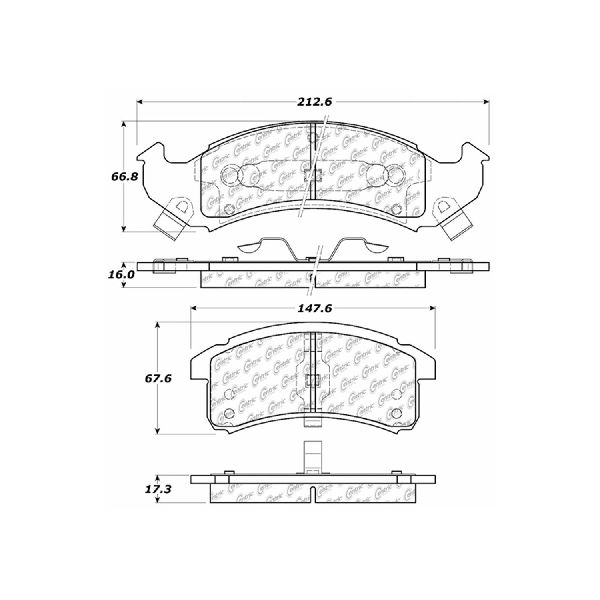
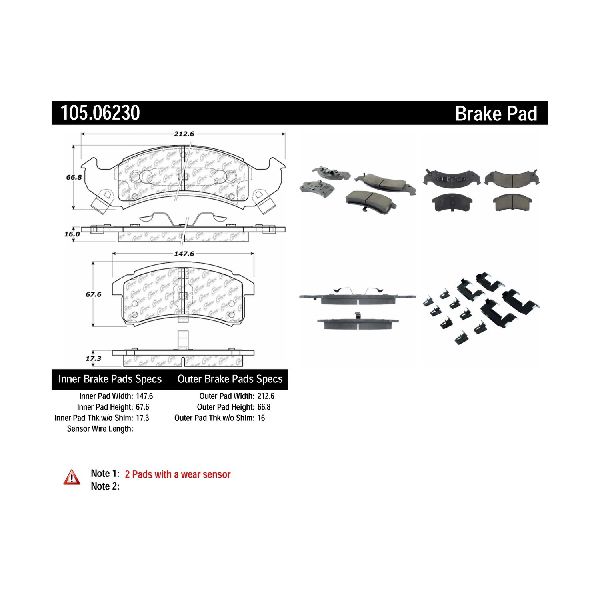
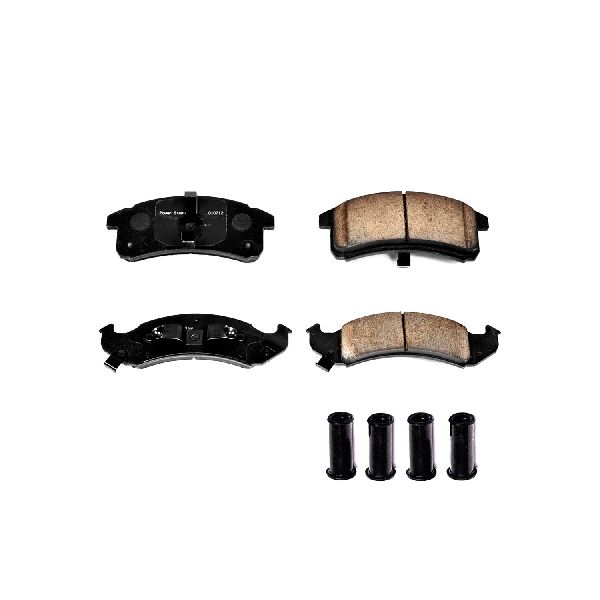
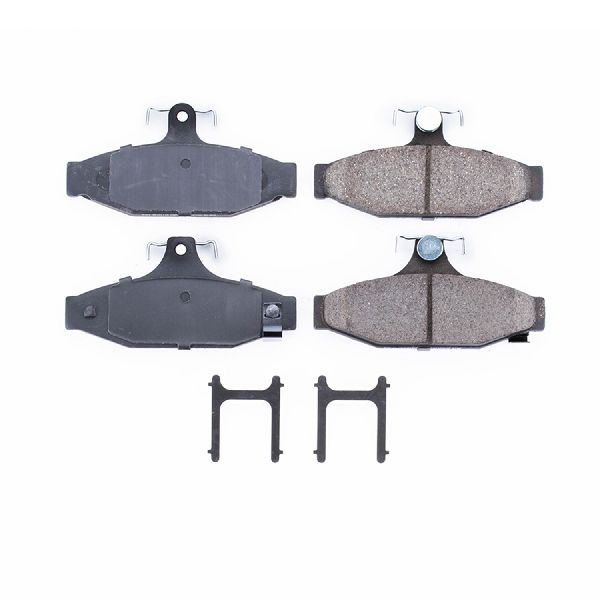
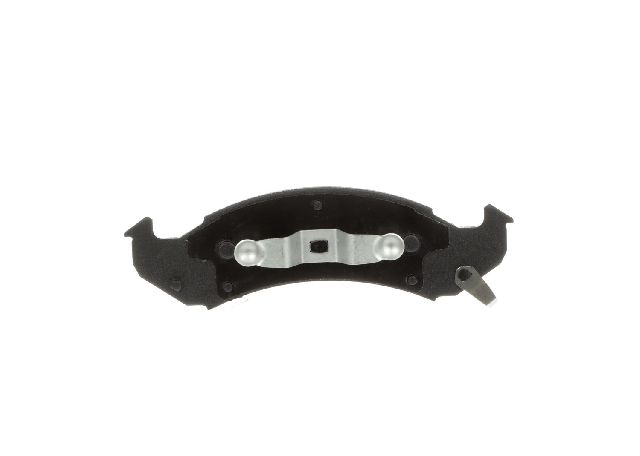
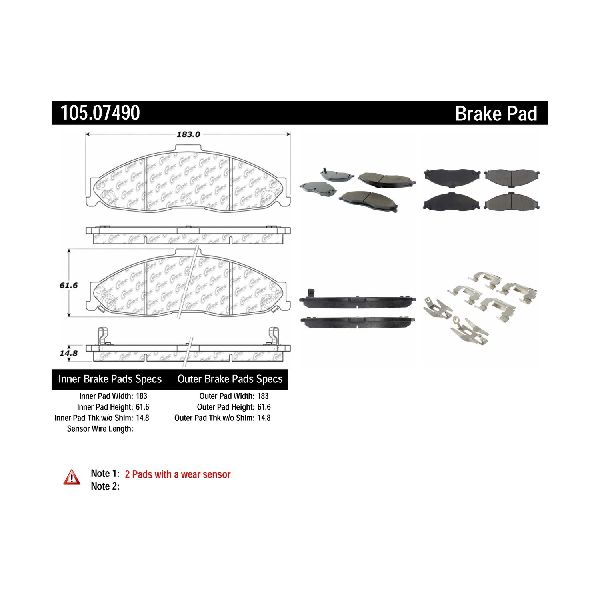
Brake systems differ between 1994-1997 (LT1) and 1998-2002 (LS1) models, with the LS1 cars having larger front brakes. Ensure you purchase pads specified for your exact year and model (V6 or V8) as the calipers and pad shapes can differ, especially between front and rear.
We Have This Part in Stock

The information in this article is provided for general reference and educational purposes only. Vehicle specifications, procedures, and part compatibility can vary by production date, trim level, and region. Always consult your vehicle's factory service manual and verify part numbers before purchasing or performing repairs. Safety-critical components such as airbags, seat belts, and braking systems should be installed by a qualified professional.
- Pontiac Firebird: