

Oxygen Sensor Guide for the 1995-1998 Dodge B2500 Van
Fix your van's poor fuel economy and rough running by choosing the right new oxygen sensor.
- A failing oxygen sensor will cause poor fuel economy, rough running, and will trigger the Check Engine Light.
- For best results on these Dodge vans, choose a direct-fit sensor from a premium brand like Denso or NGK/NTK.
- Ignoring a bad O2 sensor can lead to expensive damage to the catalytic converter.
- Replacing an O2 sensor is a manageable DIY job with the right tool (an O2 sensor socket).
Is Your Van Trying to Tell You Something?
A failing oxygen sensor in your 1995-1998 Dodge B2500 can cause noticeable problems. Because these sensors get "lazy" over time before they fail completely, you might notice a gradual decline in performance. If your van is over 15 years old or has more than 60,000 miles, it's a good idea to consider replacing the O2 sensors even if the check engine light isn't on.
Symptoms of a Bad Oxygen Sensor
When an O2 sensor starts to fail, your van's computer gets incorrect information, leading to a range of issues:
- Check Engine Light: This is the most common sign. A code reader will often point to a specific sensor, with codes like P0132 indicating a high voltage issue with the upstream sensor.
- Poor Fuel Economy: A bad sensor can cause the engine to run rich, meaning it uses too much fuel. You'll find yourself at the gas station more often.
- Rough Idle and Poor Performance: Your van might idle unevenly, hesitate during acceleration, or feel sluggish.
- Rotten Egg Smell: Excess unburnt fuel in the exhaust can create a sulfur-like smell and may even cause black smoke.
- Failed Emissions Test: An engine running rich due to a bad O2 sensor will not pass a smog check.
Don't Ignore a Failing O2 Sensor
While you can drive with a bad oxygen sensor, it's not recommended. Continuing to drive with a rich fuel mixture can overheat and damage your catalytic converter, a much more expensive repair. It's cheaper to replace the sensor sooner rather than later.
Choosing the Right Aftermarket Oxygen Sensor
For a vehicle like the 1995-1998 B2500, high-quality aftermarket parts offer excellent value. The electronics in these Dodge trucks can be particular, so choosing a reputable brand is important to avoid compatibility issues.
Brand Quality Tiers
- Premium Brands (Denso, NGK/NTK): These brands are frequently recommended by Dodge truck owners in forums. They are known for being OEM suppliers and providing reliable performance that works well with the truck's computer. Many owners report that these brands solve issues that other brands do not.
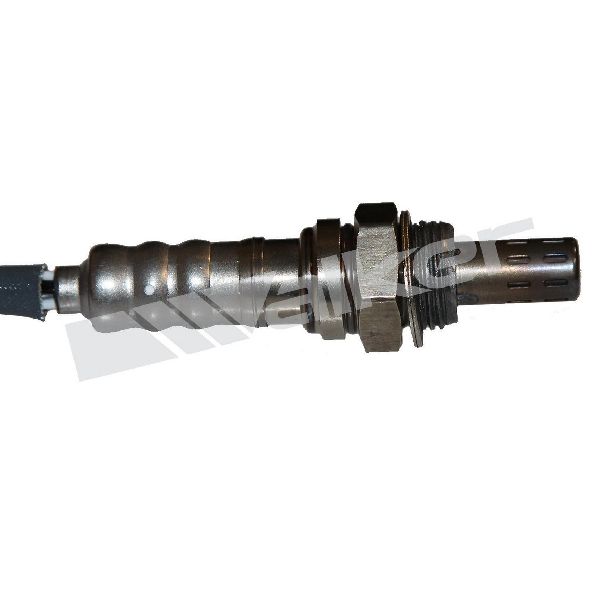
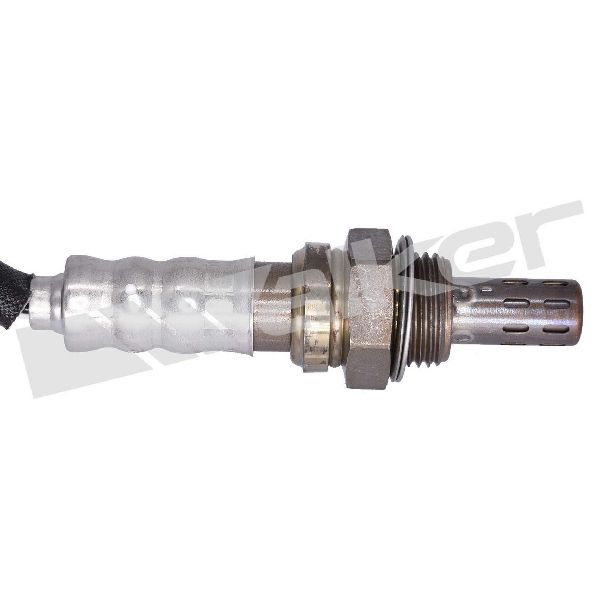
- Quality Mid-Range (Bosch, Delphi, Walker): Bosch is a well-known inventor of the O2 sensor, but some Dodge owners have reported mixed results, such as slower warm-up times or premature failure compared to Denso or NTK. However, many have used them without issue. Choosing a direct-fit sensor from these brands is generally a safe bet.
- Economy Brands (DriveWire, Spectra, Vemo): These offer a budget-friendly option. While they can work, they may not have the same longevity or precise performance as the premium brands. For a part as critical as the upstream O2 sensor, investing in a premium or quality mid-range brand is often worth the small extra cost.
Pro Tip: Direct-Fit vs. Universal
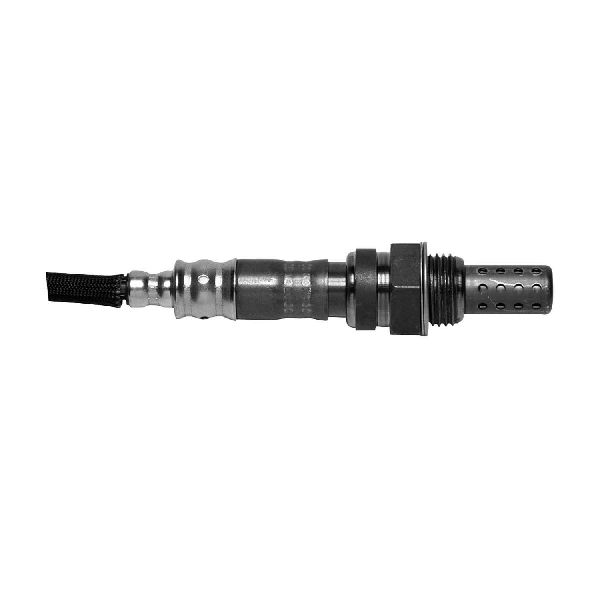
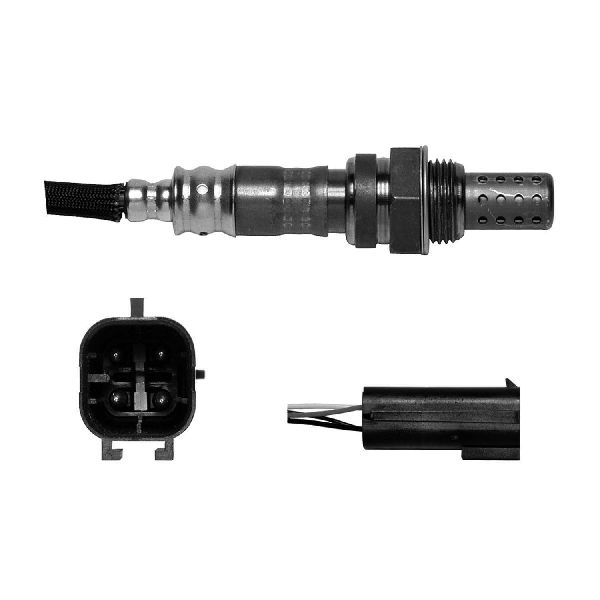
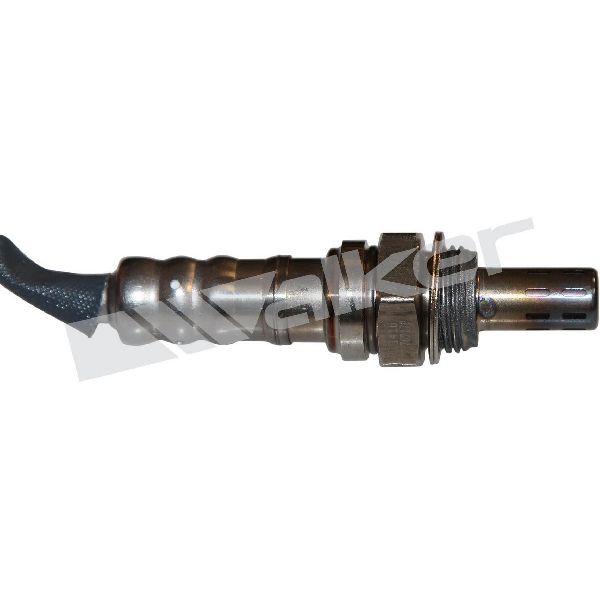
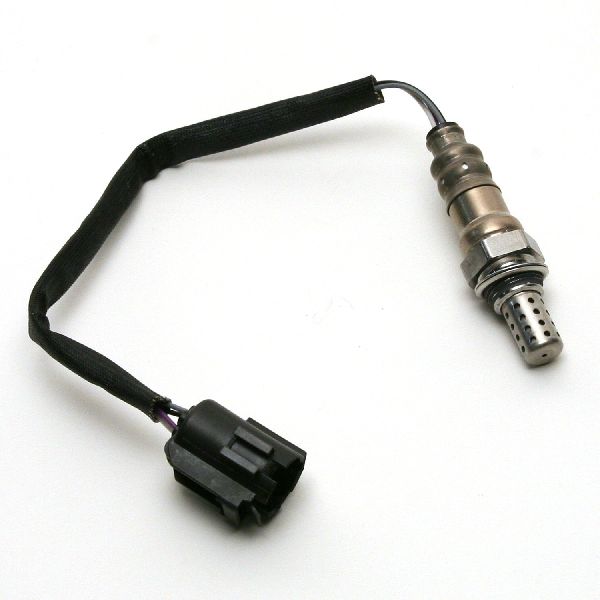
Always choose a "direct-fit" or "OE-style" sensor. These come with the correct plug for your van's wiring harness and require no cutting or splicing. Universal sensors, which require you to splice wires, can introduce connection problems and are not recommended for reliability.
How Many Sensors and Where Are They?
Your 1995-1998 Dodge B2500 will have at least one or two oxygen sensors, depending on the year and its original emissions configuration (Federal vs. California).
- Upstream Sensor (Bank 1, Sensor 1): This is the most important one for engine performance. It's located on the exhaust pipe before the catalytic converter. On V8 models, it's typically on the passenger side.
- Downstream Sensor (Bank 1, Sensor 2): If equipped (common on 1996 and newer models), this sensor is located after the catalytic converter. Its main job is to monitor the converter's efficiency. A failure here will trigger a check engine light but won't usually affect how the engine runs.
Cost to Replace a Dodge B2500 Oxygen Sensor
| Part Type | Estimated Cost |
|---|---|
| New Aftermarket Part | $34 - $88 |
| Shop Labor | $75 - $150 |
| Total Estimated Cost | $109 - $238 |
Frequently Asked Questions
Can I replace the oxygen sensor myself?
Yes, this is a DIY-friendly job for most home mechanics. You'll need to safely raise the vehicle, apply penetrating oil to the old sensor, and use a special oxygen sensor socket to remove and install it. The hardest part is often breaking the old, rusted sensor loose.
Do I need a special tool to replace an O2 sensor?
Yes, you will need an oxygen sensor socket. It's a deep socket with a slot down the side to accommodate the sensor's wire. You can often rent this tool from an auto parts store or purchase one affordably.
Should I replace both sensors at the same time?
If your van has both an upstream and a downstream sensor, and they are both original, it's a good idea to replace them together. They have a similar lifespan. However, if you're on a budget, start by replacing the one that is causing the code or symptoms (usually the upstream sensor). It's also recommended to use the same brand for all sensors to ensure consistent performance.
Can I just clean my old oxygen sensor?
No, cleaning is not recommended. The internal sensing element wears out over time, and cleaning the exterior will not restore its function. Contaminants from oils or coolants can cause permanent failure.
Technical Specifications
OEM Part Numbers: 5234015 56041018AC
Location: Upstream (before catalytic converter) or Downstream (after catalytic converter). Connector Type: 4-wire, heated. Tool Required: 7/8 inch or 22mm oxygen sensor socket.
We Have This Part in Stock

The information in this article is provided for general reference and educational purposes only. Vehicle specifications, procedures, and part compatibility can vary by production date, trim level, and region. Always consult your vehicle's factory service manual and verify part numbers before purchasing or performing repairs. Safety-critical components such as airbags, seat belts, and braking systems should be installed by a qualified professional.
- Dodge B2500:
- 🛍️ Shop This Part
- Is Your Van Trying to Tell You Something?
- Symptoms of a Bad Oxygen Sensor
- Don't Ignore a Failing O2 Sensor
- Choosing the Right Aftermarket Oxygen Sensor
- Brand Quality Tiers
- Pro Tip: Direct-Fit vs. Universal
- How Many Sensors and Where Are They?
- Cost to Replace a Dodge B2500 Oxygen Sensor
- Frequently Asked Questions
- 🎟️ Get 5% Off