

A Guide to Replacing the Radiator on Your 1995-1998 Dodge B3500
Keep your heavy-duty Dodge van from overheating by choosing the right replacement radiator.
- Radiator failure often presents as overheating, visible leaks, or a sweet coolant smell.
- For heavy vans like campers, consider a premium or all-aluminum radiator for better cooling.
- While replacing the radiator, it is a good idea to also replace the hoses, thermostat, and radiator cap.
- Properly bleeding air from the system after installation is critical to prevent overheating.
Is Your B3500 Radiator Failing?
The radiator in a heavy vehicle like the B3500 works hard. Over time, the original radiators, which often have plastic side tanks and an aluminum or copper/brass core, can fail. The plastic becomes brittle and cracks, seams start to leak, and the internal passages can get clogged with rust and debris. Here are the most common signs that it's time for a replacement:
- Engine Overheating: The most obvious sign is the temperature gauge climbing into the red. This means the radiator can no longer cool the engine effectively.
- Coolant Leaks: Finding puddles of bright green, pink, or orange fluid under the front of your van is a sure sign of a leak. Leaks often come from cracks in the plastic tanks or from corroded areas of the core.
- Sweet Smell: If you smell something sweet like syrup after driving, it's likely coolant leaking onto a hot engine part and burning off.
- Discolored or Sludgy Coolant: Your coolant should be brightly colored. If the fluid in your overflow tank looks rusty, brown, or thick, it indicates internal corrosion in the radiator, which can lead to clogs.
No Recalls, But Check Your Coolant Type
There are no specific NHTSA recalls for the radiator on the 1995-1998 Dodge B3500. However, a general Chrysler service bulletin warns against mixing different types of coolant (e.g., OAT and HOAT). Doing so can cause accelerated corrosion and create sludge in your new radiator. When you replace your radiator, it's best to flush the system completely and refill with a single, correct type of coolant.
Choosing the Right Aftermarket Radiator
You don't need to buy an expensive OEM radiator from the dealer. Aftermarket brands offer a range of options that meet or exceed original quality. For a workhorse like the B3500, especially camper conversions or vans that tow, investing in a quality replacement is smart. They generally fall into three tiers:
Economy Brands (APDI, One Stop Solutions)
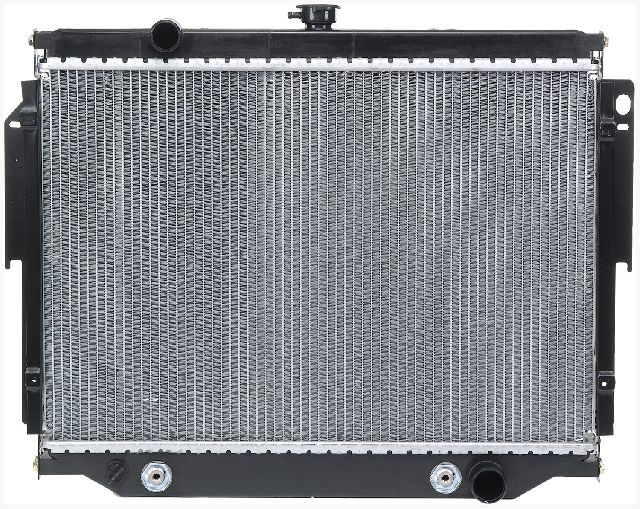
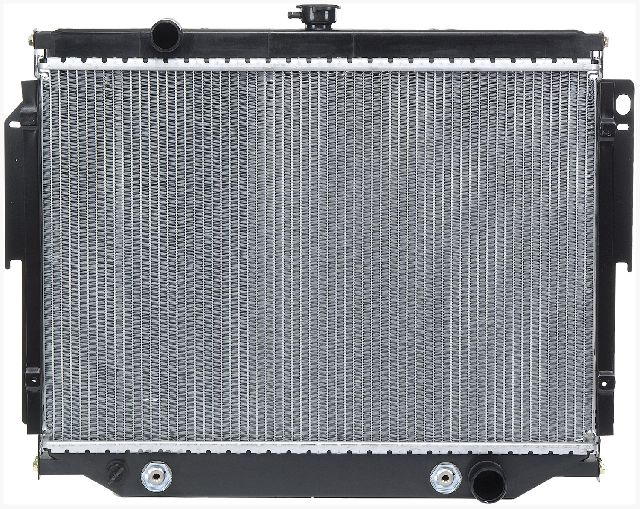
These are the most affordable options, designed to get your van back on the road for the lowest cost. While they meet basic fitment and function requirements, some user reviews for brands like APDI mention lower quality materials and potential for premature leaks. These are best for a van you don't rely on daily or plan to sell soon. The very low end of the $34.93 - $462.41 price range represents these brands.
Standard Replacement Brands (Spectra, ACDelco)
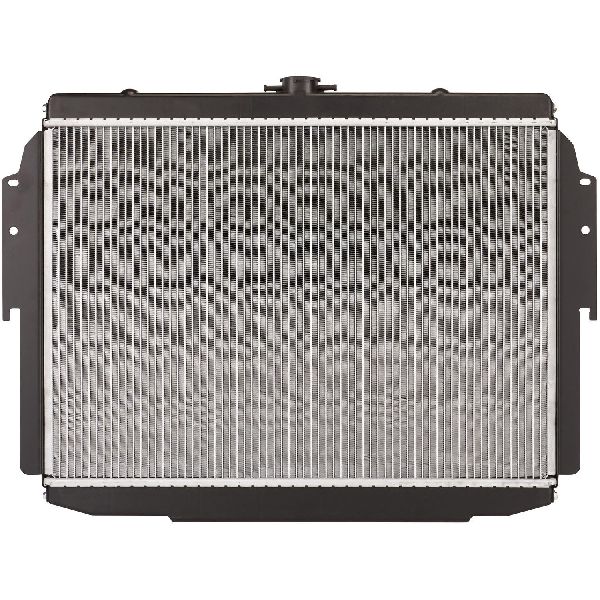
Brands like Spectra are well-known in the aftermarket and are generally considered reliable, OEM-quality replacements. They are built to the original specifications and offer a good balance of quality and price. An ACDelco part for a Dodge would be an aftermarket offering, but the brand generally has a reputation for quality. This is a safe choice for a daily-driven B3500.
Premium & Heavy-Duty Brands (CSF, Upgraded Aluminum)
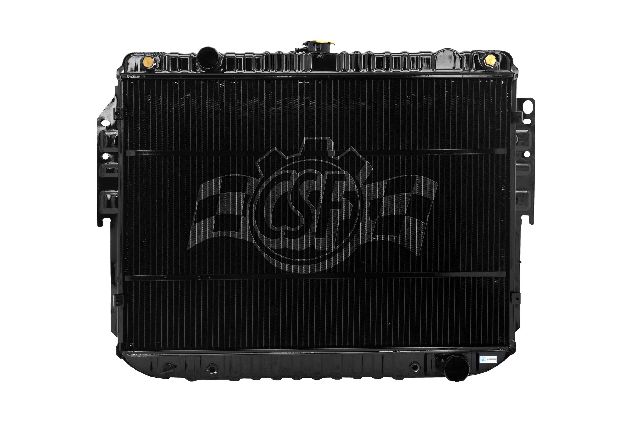
For vans under constant heavy load, like a fully loaded work van or a Roadtrek camper, a premium radiator is a worthwhile upgrade. CSF is a brand that positions itself as an OEM+ supplier, often using stronger materials and more efficient core designs for better cooling. You can also find all-aluminum, multi-row radiators that offer superior cooling and durability compared to the original plastic/aluminum design. These represent the higher end of the price spectrum.
Pro Tip: Consider a Full Cooling System Refresh
While you have the radiator out, it's the perfect time to replace other aging cooling system parts. For a relatively low cost, you can also install a new thermostat, radiator cap, and new upper and lower radiator hoses to prevent future problems.
Aftermarket Radiator Cost for 1995-1998 Dodge B3500
| Part Type | Estimated Cost Range |
|---|---|
| Economy Aftermarket Radiator | $35 - $120 |
| Standard Aftermarket Radiator | $120 - $250 |
| Premium / All-Aluminum Radiator | $250 - $465+ |
| Shop Labor for Installation | $171 - $251 |
Frequently Asked Questions
Is it hard to replace the radiator on a B3500 myself?
It is a manageable job for a DIYer with some experience, but it is time-consuming. You will need to drain the coolant, remove the fan shroud, disconnect several hoses (including transmission cooler lines), and unbolt the radiator. The most critical part of the job is properly refilling and "burping" the system to remove all air pockets, which can cause overheating if not done correctly.
Should I get an all-aluminum radiator?
For a standard B3500, a quality OEM-style replacement with plastic tanks is sufficient. However, if you have a heavy camper conversion or frequently tow or climb steep grades, an all-aluminum radiator can provide better cooling performance and durability.
Do I need a special coolant for this van?
For this era, a traditional green or a universal yellow/gold IAT (Inorganic Additive Technology) coolant is typically specified. The most important thing is to not mix different coolant types. When you install the new radiator, flush the entire system and fill it with a single, fresh coolant type.
What else could be causing my van to overheat?
If a new radiator doesn't solve your overheating issue, other common culprits include a failed thermostat that's stuck closed, a bad water pump, a faulty fan clutch, or a simple coolant leak from a hose.
Technical Specifications
OEM Part Numbers: 52029043AB 52029044AB 52029044AC
Most aftermarket radiators for this model feature an aluminum core with plastic tanks, similar to the original design. Core dimensions, row count, and the presence of an integrated transmission oil cooler are key specifications to match.
We Have This Part in Stock


The information in this article is provided for general reference and educational purposes only. Vehicle specifications, procedures, and part compatibility can vary by production date, trim level, and region. Always consult your vehicle's factory service manual and verify part numbers before purchasing or performing repairs. Safety-critical components such as airbags, seat belts, and braking systems should be installed by a qualified professional.
- Dodge B3500:
- 🛍️ Shop This Part
- Is Your B3500 Radiator Failing?
- No Recalls, But Check Your Coolant Type
- Choosing the Right Aftermarket Radiator
- Economy Brands (APDI, One Stop Solutions)
- Standard Replacement Brands (Spectra, ACDelco)
- Premium & Heavy-Duty Brands (CSF, Upgraded Aluminum)
- Pro Tip: Consider a Full Cooling System Refresh
- Aftermarket Radiator Cost for 1995-1998 Dodge B3500
- Frequently Asked Questions
- 🎟️ Get 5% Off