

Engine Coolant Temperature Sensor Guide for 1995-1999 Chevrolet Silverado
Fix poor mileage, black smoke, and overheating in your Silverado by understanding and replacing a faulty engine coolant temperature sensor.
- A bad sensor commonly causes poor fuel economy, black smoke, and rough idling.
- Verify if you need the sensor for the computer (on the intake) or the sender for the gauge (on the cylinder head).
- For a reliable repair, choose a premium aftermarket brand like NGK/NTK or Standard Ignition.
- Replacement is simple, requiring basic tools, but be prepared to lose a small amount of coolant.
Is a Bad Coolant Sensor Causing Your Silverado Problems?
A failing Engine Coolant Temperature (ECT) sensor can cause a surprising number of issues with your 1995-1999 Silverado. Because the sensor's reading affects so many engine functions, a bad signal can make the truck's computer think the engine is always cold. This can lead to poor performance, bad fuel economy, and even prevent the engine from starting correctly.
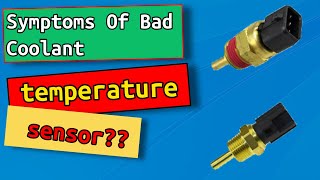
🎬 Watch: 8 common symptoms of a bad coolant temperature sensorDo You Have One or Two Sensors?
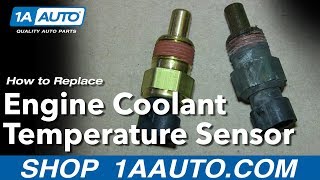
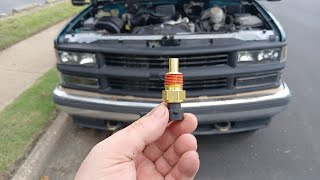
It's important to know that many GM trucks from this era, including the Silverado, have two separate coolant temperature sensors. One sensor sends information to the engine computer (ECM), and a second, separate sensor (often called a sender) operates the temperature gauge on your dashboard. The sensor for the ECM is typically located on the front of the intake manifold near the thermostat housing. The gauge sender is often on the driver's side cylinder head, between the spark plugs. 🎬 See this step-by-step sensor replacement on a 1998 Chevy truck Always check which one you need before ordering.
Choosing the Right Aftermarket Sensor
For an older truck like the 95-99 Silverado, a quality aftermarket ECT sensor is a smart and affordable choice. The original equipment (OEM) part is made by ACDelco, which is always a reliable benchmark. However, several aftermarket brands offer excellent quality, often at a better price.
Here’s a breakdown of available brands:
- Premium Aftermarket (NGK/NTK, Standard Ignition): Brands like NGK (also known as NTK for sensors) and Standard Ignition (SMP) are highly respected in the auto repair world. They are known for making parts that meet or exceed original specifications and offer long-term reliability. These are excellent choices if you want peace of mind and performance similar to the original part.
- Mid-Grade/Standard Replacement (Four Seasons, Motorad): Four Seasons and Motorad are well-known aftermarket manufacturers. Motorad, in particular, specializes in cooling system components and their sensors are generally considered reliable. These brands offer a good balance of quality and value for a daily-driven truck.
- Economy (Global Parts, True Tech): These brands typically offer the most budget-friendly options. While they can get the job done, they may not have the same long-term durability or precise calibration as the premium brands. They can be a viable option for a quick fix or if the budget is the primary concern.
| Part Type | Estimated Cost |
|---|---|
| New Aftermarket | $12.58 - $32.98 |
| New OEM (ACDelco) | $25 - $45 |
| Shop Labor | $50 - $125 |
Pro Tip: Quick Replacement
When replacing the sensor, some coolant will leak out of the port. To minimize coolant loss, have the new sensor ready to go. As soon as you unscrew the old one, quickly thread the new one in by hand to plug the hole. Always make sure the engine is completely cool before starting this job.
Frequently Asked Questions (FAQ)
Where is the coolant temperature sensor on a 1995-1999 Silverado?
The main Engine Coolant Temperature (ECT) sensor that communicates with the engine computer is usually located on the front of the intake manifold, right next to the thermostat housing. A second sensor, which controls the dashboard temperature gauge, is often found on the driver's side cylinder head.
Can I replace this sensor myself?
Yes, this is a very DIY-friendly job for most home mechanics. It requires basic hand tools like a socket or wrench (often 3/4" or 19mm), and the ability to access the sensor on the engine. The main steps are disconnecting the electrical plug, unscrewing the old sensor, and screwing in the new one. You will lose a small amount of coolant, so have some extra on hand to top off the system afterward.
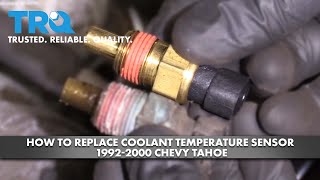
🎬 Watch: How to replace the sensor on 88-98 GMT400 modelsWhat happens if I don't replace a bad sensor?
Ignoring a bad ECT sensor can lead to several problems. You will likely experience poor fuel economy, rough idling, and black smoke from the exhaust. In some cases, it can cause the engine to overheat if the sensor fails to trigger the cooling fans, or it can make the engine hard to start. Continuing to drive with a bad sensor can put unnecessary stress on your engine.
Are there any recalls for the coolant sensor on my Silverado?
No, there are no specific recalls from the National Highway Traffic Safety Administration (NHTSA) for the engine coolant temperature sensor on the 1995-1999 Chevrolet Silverado. This is a common wear-and-tear maintenance item.
Helpful Videos

Technical Specifications
OEM Part Numbers: 19236568 15326388 213-4514 213-77 25037332
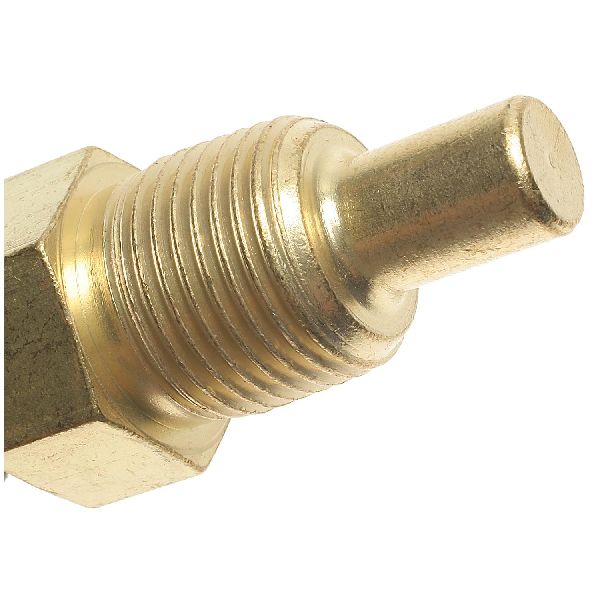
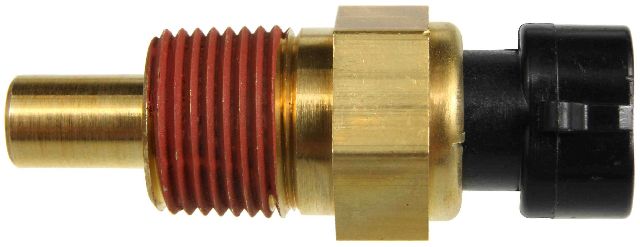
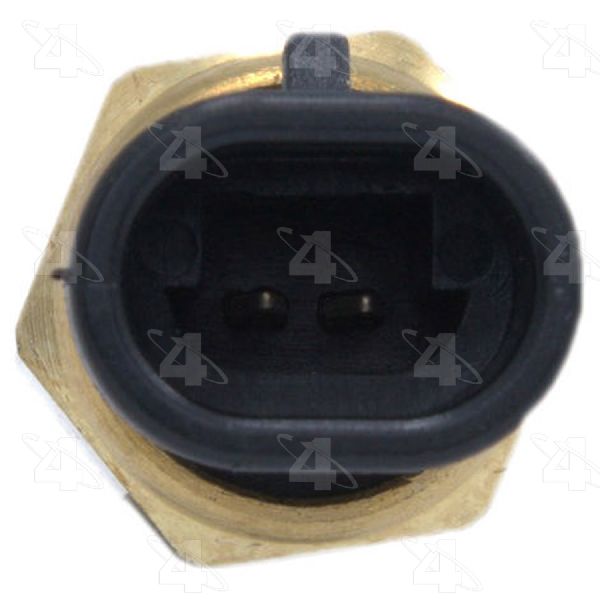
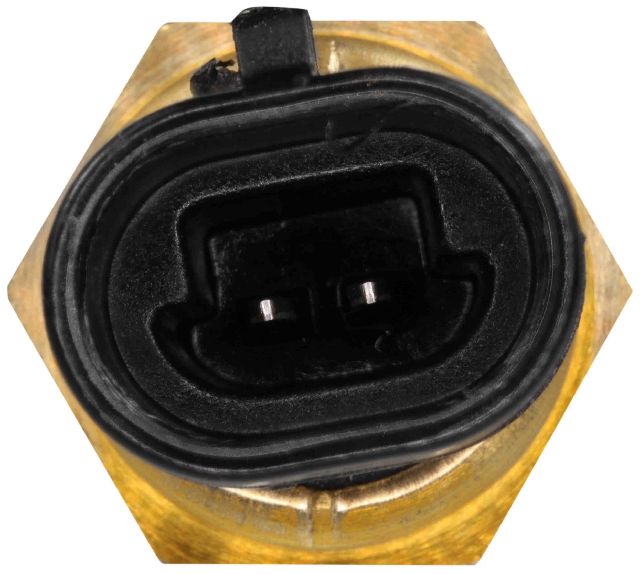
The sensor for the ECM is typically a two-wire thermistor with a threaded brass body (M12x1.5 or 3/8" - 18 NPTF threads are common) and a plastic electrical connector.
We Have This Part in Stock



The information in this article is provided for general reference and educational purposes only. Vehicle specifications, procedures, and part compatibility can vary by production date, trim level, and region. Always consult your vehicle's factory service manual and verify part numbers before purchasing or performing repairs. Safety-critical components such as airbags, seat belts, and braking systems should be installed by a qualified professional.
- Chevrolet Silverado: