

Mitsubishi Eclipse Serpentine and Accessory Belt Guide (1995-1999)
Learn how to choose the right replacement belt for your Eclipse's specific engine to prevent squealing and ensure reliability.
- First, identify your engine: 420A (non-turbo) and 4G63T (turbo) use different belt systems.
- On 420A engines, squealing is almost always caused by incorrect manual tension, not necessarily a bad belt.
- Top aftermarket brands like Gates, Continental, and Dayco offer OEM-quality performance for this part.
- If the belt breaks, you will lose power steering and the ability to charge your battery, leaving you stranded.
Is Your Eclipse a 420A or 4G63T? It's Critical to Know.
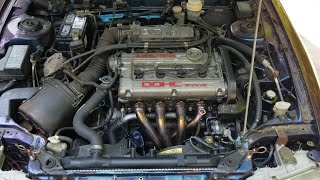
Before buying a new belt, you must know which engine is in your 1995-1999 Eclipse. They use different belt systems. The easiest way to tell is by looking at the oil cap. If the oil cap is on the driver's side of the engine, you have the Mitsubishi 4G63T engine (found in GS-T and GSX models). If the oil cap is on the passenger's side, you have the Chrysler-built 420A engine (found in RS and GS models).
Signs of a Failing Serpentine Belt
A worn-out belt will give you clear warning signs. Ignoring them can leave you stranded when the belt finally snaps.
🎬 See a visual guide on common serpentine belt failure symptoms.- Squealing or Chirping Noises: This is the most common symptom. The noise is often worse on cold mornings or when the engine is under load (like when turning the steering wheel or running the A/C). This noise means the belt is slipping on the pulleys.
- Visible Wear and Damage: Inspect the belt. If you see cracks, fraying, missing chunks, or a smooth, shiny (glazed) surface on the ribbed side, it's time for a replacement. 🎬 Watch this video to identify belt damage and proven fixes.
- Accessory Failure: If your battery warning light comes on, your power steering becomes very heavy, or your A/C stops blowing cold, the belt has likely failed completely.
Common Issue: Improper Belt Tension
For the non-turbo 420A engine, the most common cause of belt noise is incorrect tension. These cars use a manual tensioner, not a modern automatic one. It's easy to set it too loose (causing squealing) or too tight (which can damage the bearings in your alternator or power steering pump). If a new belt is still noisy, the tension is the first thing to re-check.
Choosing the Right Aftermarket Serpentine Belt
You do not need to buy a belt from a Mitsubishi dealer to get a quality part. The brands available in the aftermarket are often the same companies that supply Mitsubishi from the factory. Here’s how the common brands stack up for your Eclipse:
- Top Tier (OEM Quality): Brands like Gates and Continental are highly respected and used by professional mechanics. They are known for excellent materials (like EPDM rubber that resists cracking) and durability. Gates is a very common go-to brand in the DSM community.
- Excellent Value: Dayco is another well-regarded brand that offers a great balance of quality and price. They are a reliable choice for a daily driven vehicle.
- OEM Suppliers: Brands like Bando and Mitsuboshi are often the original equipment manufacturers for many Japanese cars. If you find one of these, it's an excellent OEM-equivalent choice.
Pro Tip: Inspect Your Pulleys
When you replace your belt, spin the tensioner and idler pulleys by hand (with the engine off). They should spin smoothly and silently. If you feel any roughness or hear grinding noises, the bearing is failing and the pulley should be replaced along with the belt to prevent it from seizing and destroying the new belt.
Cost of Replacing a Serpentine Belt on a 1995-1999 Eclipse
| Part / Service | Estimated Cost |
|---|---|
| Aftermarket Serpentine Belt (Part Only) | $15 - $40 |
| Shop Labor | $100 - $150 |
| Total Professional Replacement | $115 - $190 |
Frequently Asked Questions
How often should I replace the serpentine belt?
There is no strict mileage interval, but a visual inspection is recommended at every oil change. As a general rule, consider replacing the belt every 60,000 to 90,000 miles, or immediately if you see signs of wear like cracking or fraying.
Can I replace the serpentine belt myself?
Yes, for most DIYers this is a manageable job, especially on the 420A engine. It requires basic hand tools to loosen the manual tensioner, route the new belt correctly, and apply the proper tension. There are many video tutorials available online for guidance.
🎬 Watch this step-by-step guide to replacing your Eclipse serpentine belt.Why is my new belt still squeaking?
The most likely cause on a 420A Eclipse is incorrect tension. The belt is either too loose or, less commonly, too tight. Other causes could be a worn-out tensioner pulley or fluid (like oil or coolant) leaking onto the new belt.
What is the difference between belts for cars with and without A/C?
Cars without air conditioning use a shorter serpentine belt because it does not need to wrap around the A/C compressor pulley. Always verify your car's options to ensure you purchase the correct length belt.
Helpful Videos


![Symptoms of a Bad Serpentine Belt [With Proven Fixes]](https://img.youtube.com/vi/fMV8lpFhJpM/mqdefault.jpg)
Technical Specifications
OEM Part Numbers: MN158100 MZ690264
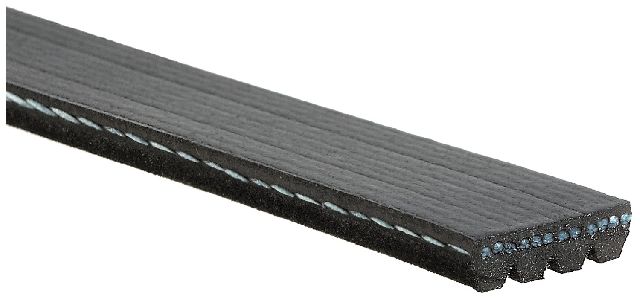
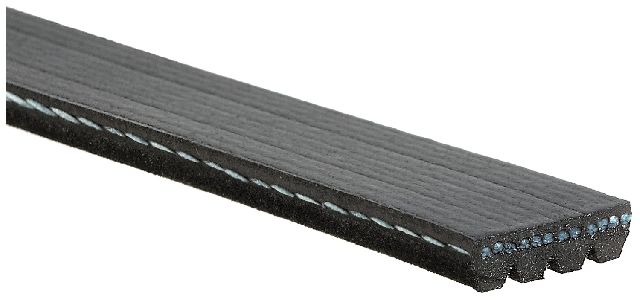
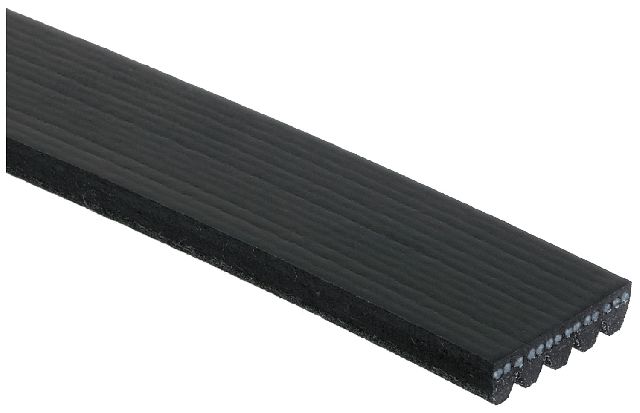
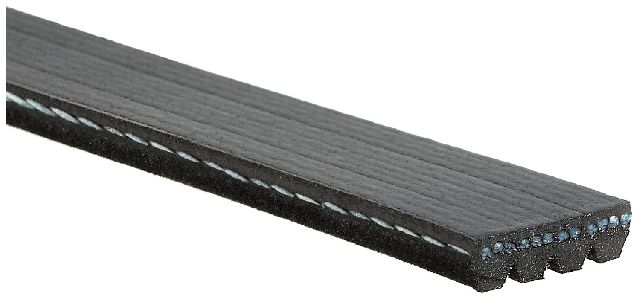
The 1995-1999 Eclipse uses two different accessory drive systems. Non-turbo models (RS, GS) with the 420A engine use a single multi-rib serpentine belt. Turbo models (GS-T, GSX) with the 4G63T engine use a dual V-belt system. Part numbers and lengths are not interchangeable between the two engines.
We Have This Part in Stock

The information in this article is provided for general reference and educational purposes only. Vehicle specifications, procedures, and part compatibility can vary by production date, trim level, and region. Always consult your vehicle's factory service manual and verify part numbers before purchasing or performing repairs. Safety-critical components such as airbags, seat belts, and braking systems should be installed by a qualified professional.
- Mitsubishi Eclipse:
- 🎬 Helpful Videos
- 🛍️ Shop This Part
- Is Your Eclipse a 420A or 4G63T? It's Critical to Know.
- Signs of a Failing Serpentine Belt
- Common Issue: Improper Belt Tension
- Choosing the Right Aftermarket Serpentine Belt
- Pro Tip: Inspect Your Pulleys
- Cost of Replacing a Serpentine Belt on a 1995-1999 Eclipse
- Frequently Asked Questions
- 🎟️ Get 5% Off