

Dodge Avenger Ignition Knock Sensor Guide (1995-2000)
Everything Dodge Avenger owners need to know about a failing knock sensor and how to choose the right replacement.
- A P0325 code points to a problem in the knock sensor circuit, which could be the sensor, wiring, or connector.
- Replacement on the 2.5L V6 is a very difficult job requiring removal of the intake manifold.
- Replacement on the 2.0L 4-cylinder is much easier and is accessible on the engine block.
- Ignoring a bad knock sensor can lead to poor performance, bad fuel economy, and potential long-term engine damage.
Understanding the Knock Sensor in Your 1995-2000 Dodge Avenger
A bad ignition knock sensor can cause headaches for any 1995-2000 Dodge Avenger owner. This small but vital sensor protects your engine from damaging pre-detonation, often called "engine knock" or "pinging." When it fails, the engine's computer can't properly adjust ignition timing, leading to poor performance, bad fuel economy, and potentially severe engine problems down the road. Ignoring a P0325 code or other symptoms is not recommended.
Symptoms of a Failing Knock Sensor
The most common sign of a problem is the Check Engine Light. If you use a code scanner, you will likely see the code P0325 (Knock Sensor 1 Circuit Malfunction). Beyond the light, you might notice:
- Poor Acceleration: The car may feel sluggish or hesitant, especially when you press the gas pedal.
- Reduced Fuel Economy: The engine runs less efficiently, so you'll be stopping for gas more often.
- Audible Engine Pinging: You might hear a metallic pinging or knocking sound from the engine, especially under load.
V6 vs. 4-Cylinder: A Major Difference in Replacement
The 1995-2000 Dodge Avenger was available with a 2.0L 4-cylinder or a 2.5L V6 engine. The location of the knock sensor is drastically different between them. On the 2.0L 4-cylinder, the sensor is typically on the engine block and is relatively easy to access. However, on the 2.5L V6, the sensor is located in the valley of the engine, underneath the entire intake manifold assembly. This makes replacement a much more difficult and labor-intensive job that is not recommended for beginners.
Choosing the Right Aftermarket Knock Sensor
When replacing your knock sensor, you have several aftermarket options. Quality can vary, so it's important to choose a brand that offers reliability. OEM parts are an option, but quality aftermarket brands provide a good balance of performance and value.
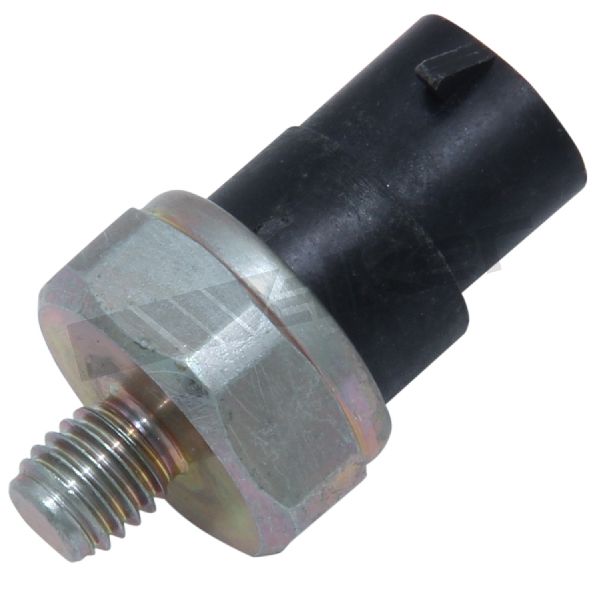
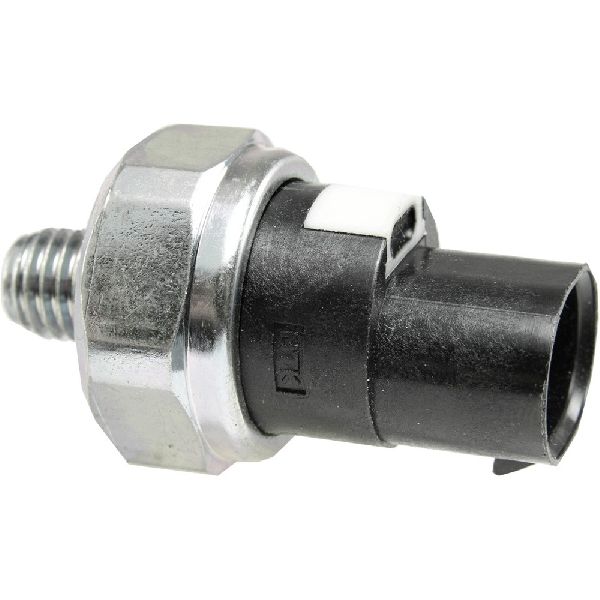
- Standard Ignition (SMP): Often considered a top-tier aftermarket brand. They have a long history and are known for producing parts that meet or exceed OEM standards. If you want a reliable part that is expected to last, Standard is a solid choice. Avoid their budget "T-series" line if possible.
- Walker Products: A well-known name in the aftermarket for sensors and fuel system components. Walker is a dependable mid-range option that provides good quality for the price.
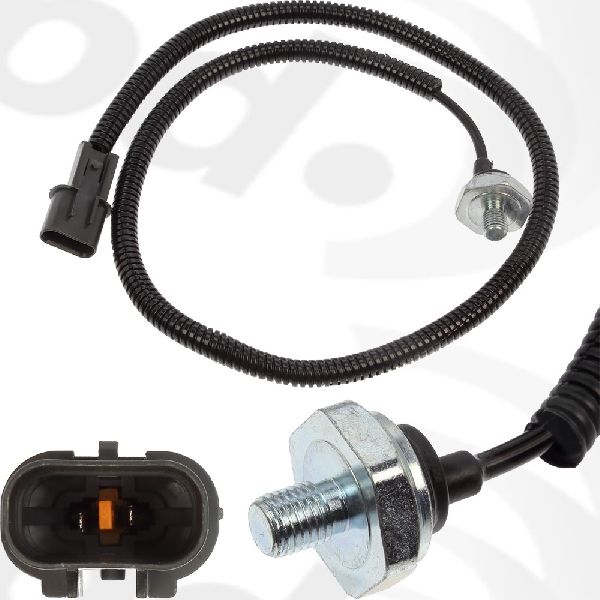
- Global Parts (and other value brands): These are typically the most budget-friendly options. They can be a good choice if the cost is your primary concern, but may not have the same long-term durability or stringent quality control as premium brands like Standard Ignition.
Pro Tip: Check the Wiring First!
A P0325 code doesn't always mean the sensor itself is bad. The problem could be with the wiring harness or the connector. Before spending money on a new sensor, inspect the wires leading to it for any signs of damage, corrosion, or loose connections. This is especially important on older vehicles where plastic and rubber can become brittle.
| Part/Service | Estimated Cost |
|---|---|
| New Aftermarket Knock Sensor | $48 - $138 |
| Shop Labor (2.0L 4-Cylinder) | $90 - $180 |
| Shop Labor (2.5L V6) | $350 - $600+ |
Frequently Asked Questions (FAQ)
What happens if I ignore a bad knock sensor?
Ignoring a bad knock sensor can lead to long-term engine damage. Without the sensor's input, the computer can't protect the engine from detonation, which can harm pistons, valves, and other internal components. You will also suffer from poor performance and fuel economy.
Is the knock sensor replacement a DIY job for my Avenger?
It depends entirely on your engine. For the 2.0L 4-cylinder, it is a feasible DIY job for someone with basic mechanical skills. For the 2.5L V6, it is a difficult and time-consuming job that involves removing the upper and lower intake manifolds. This is best left to an experienced mechanic unless you are a very confident DIYer.
Does a P0325 code always mean the knock sensor is broken?
No. A P0325 code indicates a malfunction in the knock sensor *circuit*. This could be the sensor itself, but it could also be damaged wiring, a corroded connector, or, in rare cases, an issue with the engine computer (PCM). Always check the wiring first.
Can using the wrong fuel cause knock sensor issues?
Using fuel with a lower octane rating than recommended can cause the engine to knock. The sensor will detect this and adjust timing. While this can make it seem like the sensor is the problem, the root cause is the fuel. Consistently using the wrong fuel can lead to real engine issues, but it won't typically cause the sensor itself to fail electrically.
Technical Specifications
OEM Part Numbers: MD300670 4557667
The knock sensor for the 1995-2000 Dodge Avenger is a piezoelectric sensor that generates a voltage signal when it detects engine block vibrations. It typically has a 2-pin blade-style male connector and uses a screw-on attachment method.
We Have This Part in Stock


The information in this article is provided for general reference and educational purposes only. Vehicle specifications, procedures, and part compatibility can vary by production date, trim level, and region. Always consult your vehicle's factory service manual and verify part numbers before purchasing or performing repairs. Safety-critical components such as airbags, seat belts, and braking systems should be installed by a qualified professional.
- Dodge Avenger: